Hong Kong's New Housing Certification: A Step Forward or Just a Drop in the Bucket?
Recent developments in Hong Kong's housing policies have sparked conversations among residents and experts alike. The city's government has made headlines by officially certifying three subdivided units in a Sham Shui Po flat as “basic housing units,” a term that suggests they meet minimum living standards. This is a notable first for Hong Kong, where the housing crisis has seen population affordability reach distressing lows. According to Hayson Chan, the operator advocating for these units, this certification marks a significant moment in the ongoing struggle for better housing solutions in a densely populated city known for its sky-high real estate prices.
At first glance, you might see this as merely a procedural matter—the government approving a handful of subdivided apartments—but there's more at stake. For years, many residents have been forced to inhabit cramped and unsafe living conditions often labeled as "substandard." The new classification could lead to greater legitimacy for subdivided units, paving the way for more such housing options across the city. However, the question remains: will this acknowledgment actually translate into systemic change, or is it simply a band-aid on a far deeper issue?
This development is more than a regulatory win; it illustrates the ongoing tension between rising property costs and the urgent need for affordable housing solutions in Hong Kong. The basic housing standards set by the government—focused on aspects such as ventilation and fire safety—are steps in the right direction. Still, they don’t fully address the fundamental challenges of supply and demand in the market. For anyone dealing with the urban housing situation in any capacity, this moment serves as a reminder that while progress may be glacial, every inch forward counts in a city where many are still struggling to find a place to call home.
For stakeholders and residents involved in housing advocacy, this certification poses a wider question: What does it mean for the broader strategy to alleviate the housing crisis? More than just a statistic, each approved unit represents the potential for broader reforms. Yet while the government touts this initial approval as a sign of progress, we must remain skeptical about whether it can lead to a sustainable solution for all.

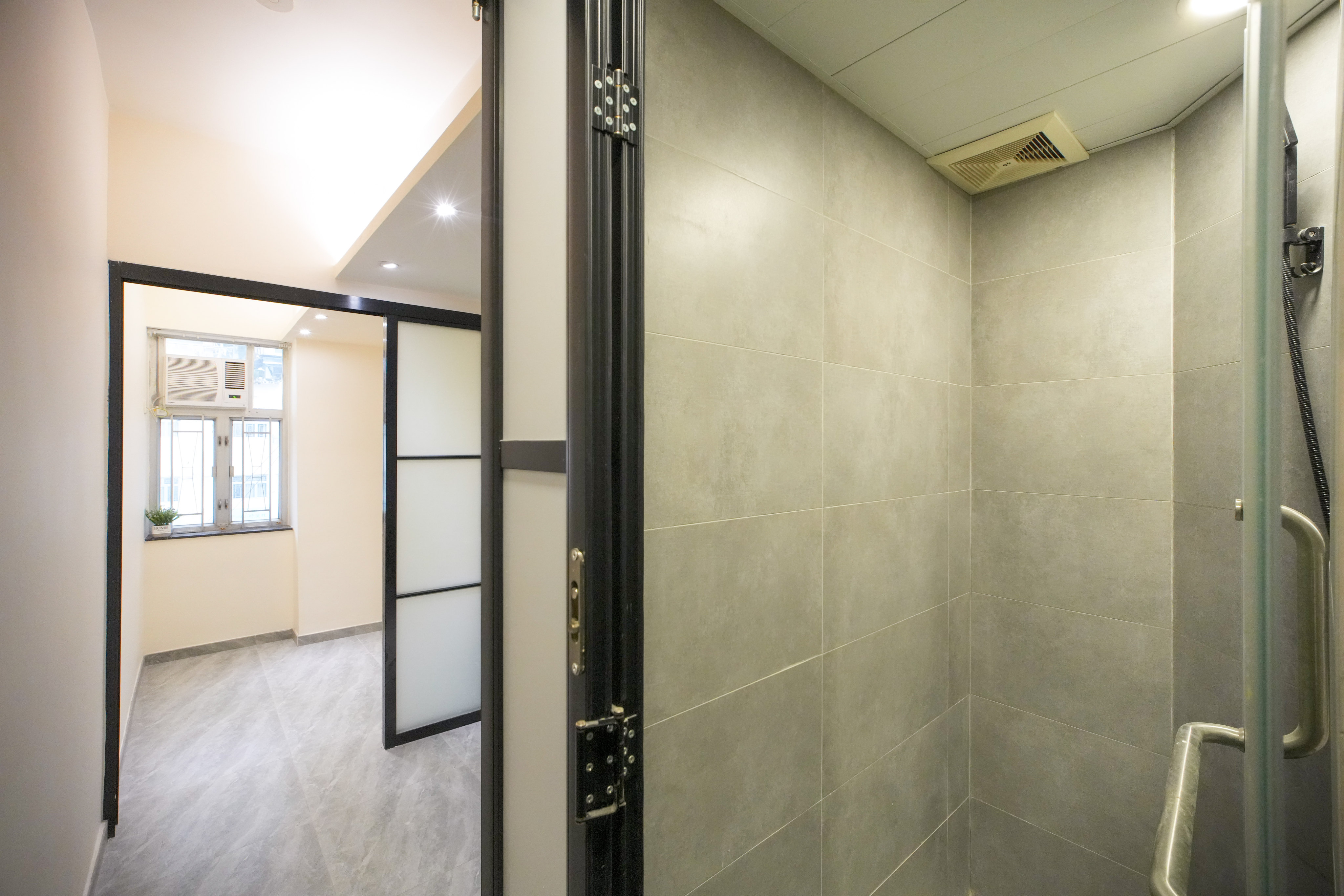
This moment, therefore, is far more than a governmental milestone; it signals the urgent need for dynamic and meaningful change in the housing arena. If you're working in urban planning or housing policy, consider how this development may influence your strategies moving forward. The debate surrounding Hong Kong's housing issues isn’t over, and each new policy will determine how effectively we can respond to this complex challenge.Building Toward Compliance
Hong Kong's recent approval of its first three subdivided units under the Basic Housing Units Ordinance marks a significant shift in the city's housing regulations. This change shines a light on a broader issue: the urgent need for safe and compliant living conditions within the city's mounting housing crisis. Hayson Chan Hin-hay, the chairman of the Hong Kong Basic Housing Units Operators Association, becomes a pivotal figure in this narrative, highlighting both the regulatory hurdles and the potential pathways forward.
Chan successfully applied for certification from the Housing Bureau for his units in Sham Shui Po, designating them as “basic housing units.” This is a crucial milestone, as only subdivided flats that meet specific standards regarding size, safety, and amenities can now legally be occupied. Under this new ordinance enacted on March 1, flats must conform to minimum requirements—including a minimum size of eight square meters, a ceiling height of at least 2.3 meters, a window, and facilities that ensure adequate hygiene and fire safety.
Chan’s efforts to comply with these safety standards involved significant investment—a total of HK$151,700, a sum that included necessary upgrades such as installing fire-rated doors and individual utility meters. While his commitment to rectifying previously substandard living conditions is commendable, it raises the question: How many landlords will be willing to undertake similar renovations, and will the financial burden deter many from seeking compliance?
The true impact of this legislation will unfold over time. As more subdivided units seek approval, the pressure on landlords to meet these standards will escalate. However, the path isn’t without obstacles; many landlords may lack the resources or knowledge to navigate this regulatory landscape effectively. The response from the market will dictate whether this initiative fosters safer living conditions or merely perpetuates existing challenges in Hong Kong’s crowded housing market.
If you're a stakeholder in this industry—whether you’re a landlord, tenant, or advocate—keeping a close eye on these developments is vital. The outcome of this regulatory shift could inform future housing policy across the city, potentially reshaping how urban living is approached in one of the most densely populated places on the planet.