Alert Issued Over Dangerous Baby Products Listed on Major Retail Platforms
A recent investigation by Which? has uncovered a worrying trend in online marketplaces where potentially dangerous baby products, including self-feeding items, sleep pillows, and sleeping bags, are readily available for purchase. Alarmingly, these products not only fail to meet safety standards but also carry risks that could jeopardize the lives of infants. This situation has sparked concerns among parents, consumer advocates, and safety regulators alike, raising critical questions about the responsibilities of major online retail platforms.
Hazardous Findings in Online Marketplaces
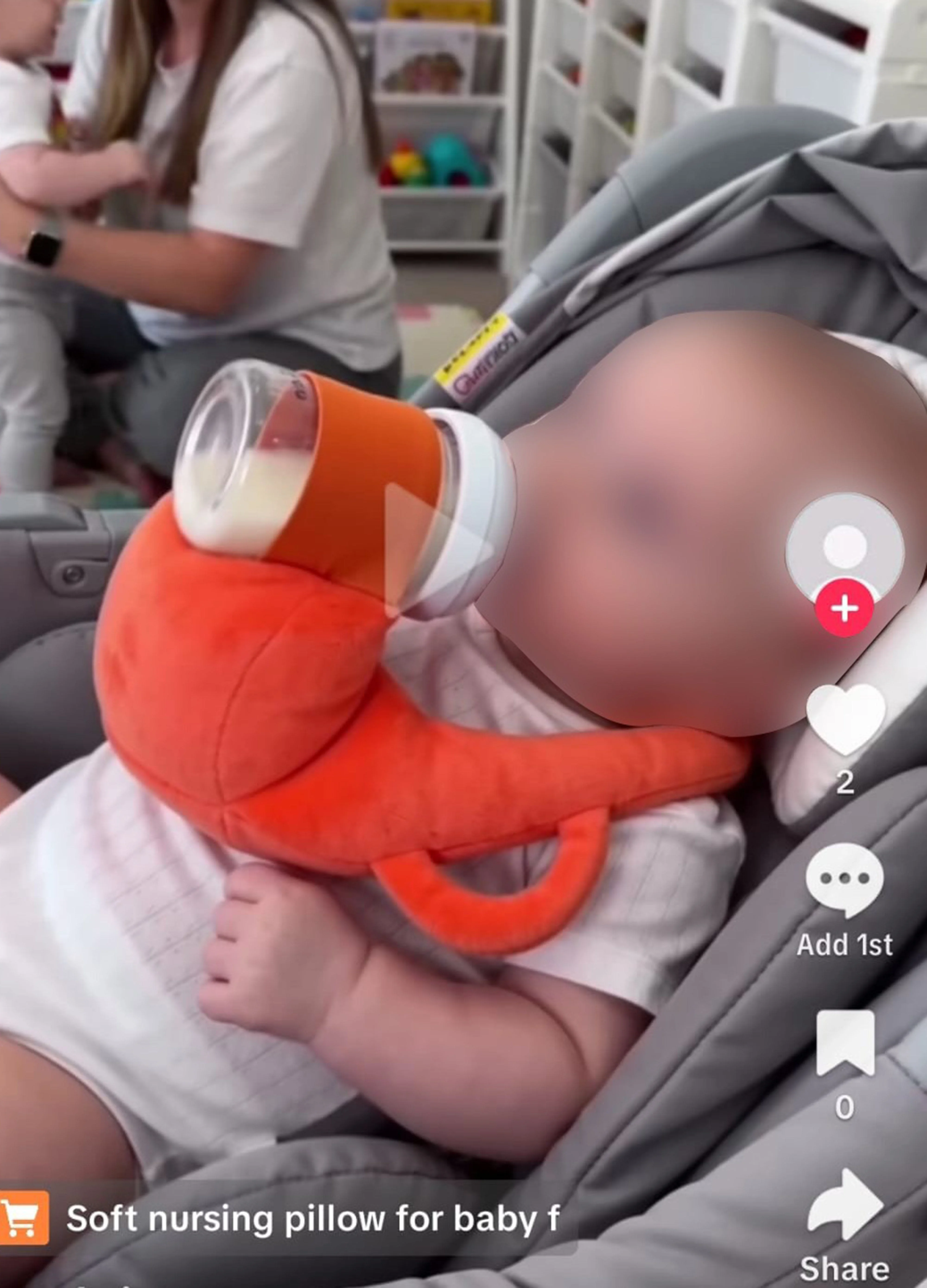
The consumer advocacy group reported that it found about 150 hazardous baby products listed on major UK platforms such as Amazon, eBay, Alibaba, AliExpress, Etsy, and TikTok Shop. Among these, self-feeding products were particularly concerning. They pose significant choking risks, which can lead to aspiration pneumonia when infants attempt to drink milk or formula independently—something they can't effectively manage. The irony is that these products are marketed to promote self-feeding, yet they dramatically increase the risk of accidents. It underscores a troubling paradox in product design versus actual safety.
Self-Feeding Risks
The initiative targeted certain product categories due to previous warnings from the Office for Product Safety and Standards (OPSS). Of the identified products, Which? discovered 54 self-feeding items, including pillow bottle holders that pose severe choking hazards when strapped around an infant’s neck. This kind of oversight is alarming—designers of these products seem to overlook the fundamental fact that babies lack the necessary control to manage feeding items independently. In 2022, the OPSS flagged these items as creating significant risks of harm. The same concerns persist, revealing an alarming disconnect between product manufacturers and safety regulators.
Concerns Over Sleeping Aids
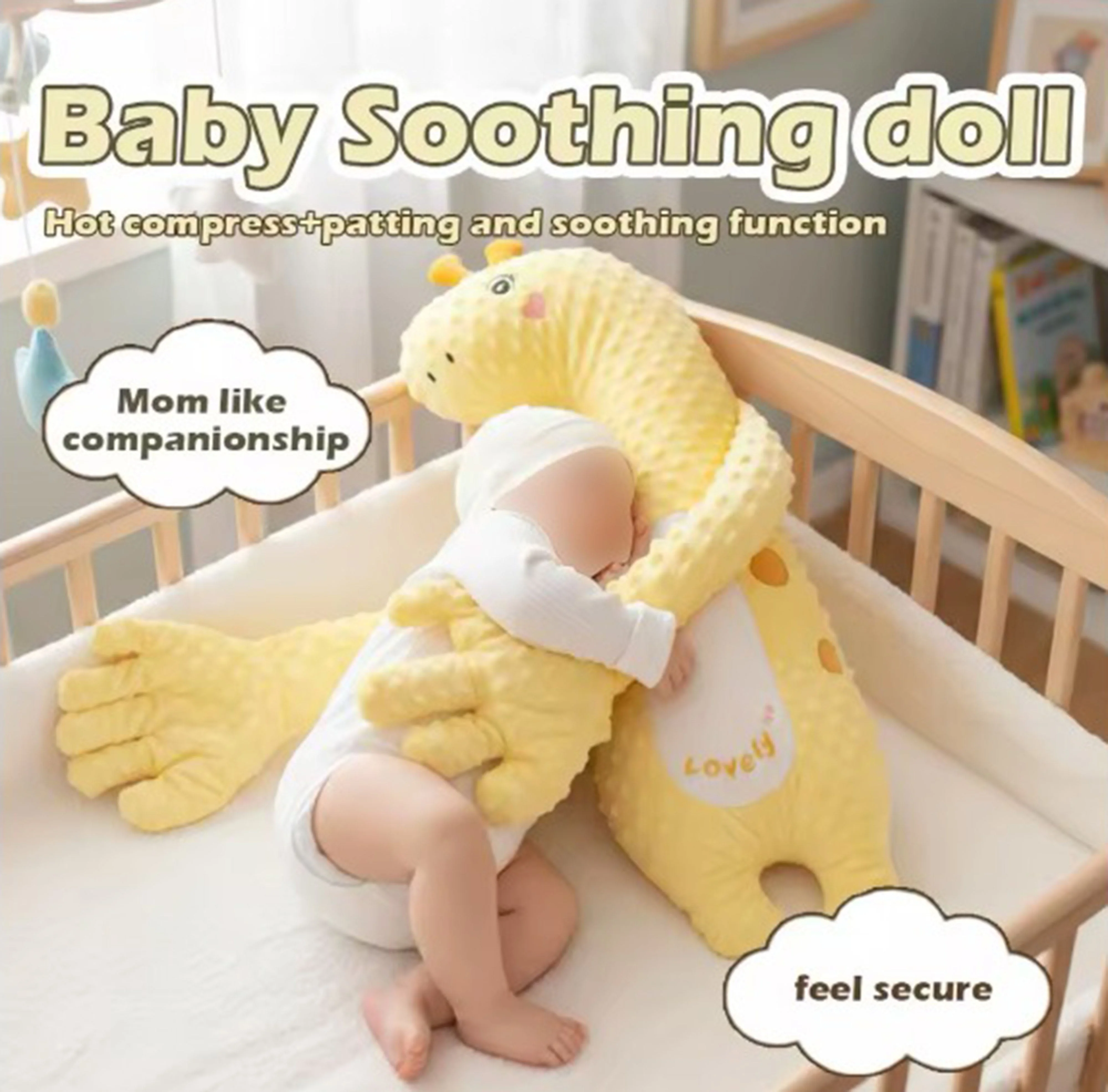
Equally troubling are sleep pillows and sleeping bags aimed at infants. Which? researchers identified 37 sleep pillows marketed to babies under 12 months, despite clear safety alerts that should disqualify these items from sale. The concern here is multifaceted; these products pose increased risks of suffocation and overheating. Many listings promoted the products for enhanced infant sleep, displaying images featuring infants under one year old. Notably, such marketing downplays the potential dangers, creating a misleading impression about their safety. This is a classic example of how commercial interests can sometimes overshadow child welfare.
Design Flaws in Sleeping Bags
The investigation also revealed that some products marketed as baby sleeping bags were equally unsafe. Specifically, 59 of these items contained design flaws, such as hoods capable of covering infants’ faces—an issue that intensifies the risk of suffocation. One disturbing example included a sleeping bag listed on Etsy that featured a hood and no arm holes, flatly ignoring established safety guidelines. It's shocking that such items could slip through the cracks in a marketplace that claims to care about consumer safety. (and this is the part most people overlook) Design compliance should be non-negotiable, especially when the products in question are intended for vulnerable populations like infants.
Marketplace Responsibility
While most of the marketplaces acted swiftly to remove the flagged items upon notification, some, like Wish, failed to respond adequately. This raises significant questions about the effectiveness of current product safety measures across these platforms. Sue Davies, head of consumer protection policy at Which?, expresses frustration over this issue, stating, “The lives of babies are at risk because these platforms won’t stop dangerous products.” Her sentiment captures the urgency and seriousness of the situation. Despite the ease of finding these unsafe products, major retailers seem ill-equipped to enforce stricter safety standards.
Ongoing Implications and Future Outlook
Marketplace giants like Amazon and eBay have acknowledged the issue and confirmed that they have taken action to remove the identified products, with Amazon stating they are investigating the matter further. Yet, the satisfactory response to consumer safety advocates remains in question. How deep do their investigations go? Are they merely surface-level reactions to public scrutiny? Davies emphasizes the need for enhanced measures from these dominant platforms to safeguard their youngest users and maintain consumer trust. Consumers are right to wonder whether they can rely on these platforms for safe products.
As scrutiny grows, the question remains: are online marketplaces doing enough to protect vulnerable consumers? Until there's significant evidence of systemic change, parents and guardians must remain vigilant about the products they purchase for their children, aware of the possible dangers lurking in seemingly innocuous listings. After all, when it comes to infant safety, there's no room for complacency. What this means for you is clear: Always research a product before making a purchase. A click today could inadvertently lead to harm tomorrow.