Understanding Daoism: A Path to Harmony and Balance in Life
Daoism, China's native spiritual tradition, serves as a cornerstone of the country's religious identity alongside Buddhism and Confucianism. With millions of followers globally, it's a faith that diverges from typical religious structures by focusing not solely on deities or central doctrines but rather on a profound cosmic principle known as the Dao.
While many religions congregate around a figurehead or a text, Daoism embraces a fluid interpretation of reality. Followers often view the Dao, translated as "the way," as an enigmatic force rather than a tangible entity. This principle suggests that everything in existence arises from this mysterious source, embodying a version of cosmic balance rather than chaos that needs saving.
The Essence of the Dao
The foundational text of Daoism, the Daodejing, traditionally attributed to the sage Laozi, frames the Dao not in definitive terms but rather through its manifestations. Composed around the fourth century B.C.E., it emphasizes the Dao as the origin of all phenomena: "The Dao begets the One, the One begets the Two, the Two begets the Three, the Three begets the 10,000 things." This narrative suggests an interconnectedness among all aspects of existence, challenging a fragmented understanding of life.
Other early texts, notably authored by Zhuangzi, enrich this tradition with philosophical narratives that evoke deep questions about identity and reality. Zhuangzi's well-known fable, pondering whether he is a butterfly dreaming of being Zhuangzi or vice versa, beautifully illustrates the Dao's elusive nature and our understandings of self and existence.
Restoring Balance through Daoist Practices
Central to Daoist belief is the premise that while the natural world is fundamentally balanced, disturbances can arise. Daoist practices are therefore designed to restore this equilibrium. Rituals and visualizations work to realign practitioners with the world's rhythms, reflecting the belief that human beings are microcosms of the wider cosmos.
Within this framework, Daoist alchemy emerges as a key practice, historically aimed at transforming substances into spiritual essences. Initially involving external ingredients, such as rare herbs for longevity elixirs, these practices have shifted toward “inner alchemy” or “neidan,” emphasizing internal transformation and spiritual skill development. Through meditation and visualization techniques, practitioners refine their internal energies, known as “jing,” to foster spiritual potency.


Daoist Deities and Their Roles
In contrast to some religious frameworks that venerate a single deity, Daoism encompasses a diversity of divine figures, each elemental to different traditions. The Three Pure Ones, or Sanqing, serve as the apex representations of the Dao, often depicted as spiritual figures on imperial thrones. These deities are believed to inhabit higher celestial realms, embodying profound wisdom and spiritual authority.
In Daoist community practices, rituals are often performed to connect with these celestial beings, seeking to bring balance and community prosperity. Figures like Laozi are revered in this capacity, viewed as protectors of the faithful. The founding figure of the Celestial Masters, Zhang Daoling, maintains a legendary status, believed to possess special powers and connections to divine protection.
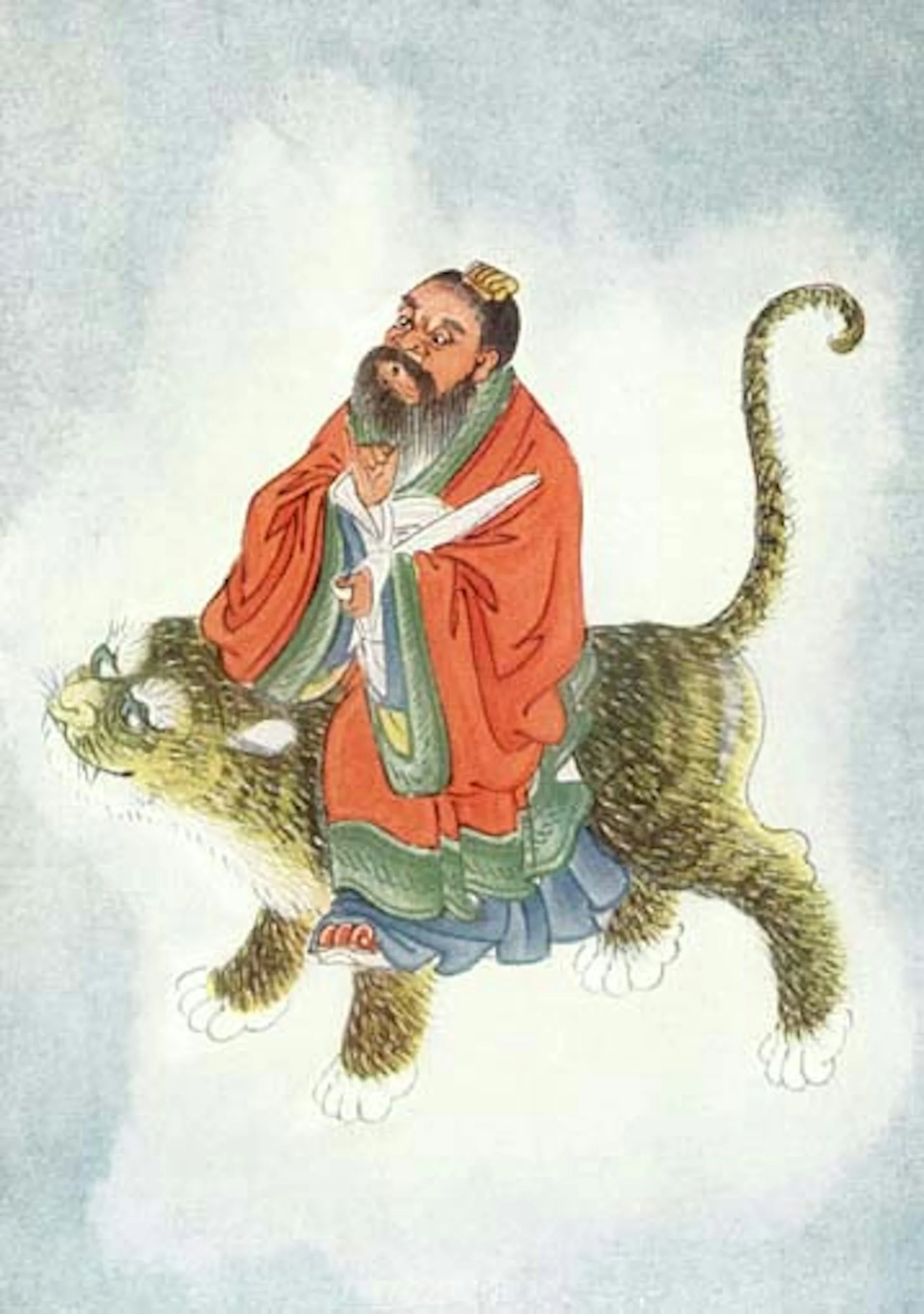

Among other noteworthy deities is Zhenwu, a martial figure whose origin as a turtle entwined with a snake evokes ancient lore. Over time, Zhenwu evolved into a powerful protector, gaining significant worship throughout the Ming dynasty as the protector of households. His continuing relevance is evident in Daoist rituals, where he is invoked for exorcism and protection.
Modern Daoism and Its Adaptability
Daoism's resilience is evident in its ability to integrate local customs and practices throughout its history. From ancient rites to contemporary festivals, local deities and spirits are incorporated into the fabric of Daoist belief, signifying its adaptability and relevance in everyday life.
In modern Taiwan, active Daoist priests perform rituals within community temples and during festivals, keeping traditions alive. Conversely, within mainland China, Daoism remains vital at historical sites like the eighth-century White Cloud Abbey, serving as a living demonstration of this rich spiritual heritage.
Beyond China, Daoism continues to captivate audiences. Each year brings fresh translations of the Daodejing and explorations of its profound teachings, ensuring the eternal wisdom of Daoism resonates across cultures and generations. In a world often characterized by dissonance, Daoism’s pursuit of balance offers a timeless guide toward harmony.

Michael Naparstek does not work for, consult, own shares in or receive funding from any company or organization that would benefit from this article, and has disclosed no relevant affiliations beyond their academic appointment.