Pennsylvania Kids Face Challenges with Proposed School Cellphone Ban
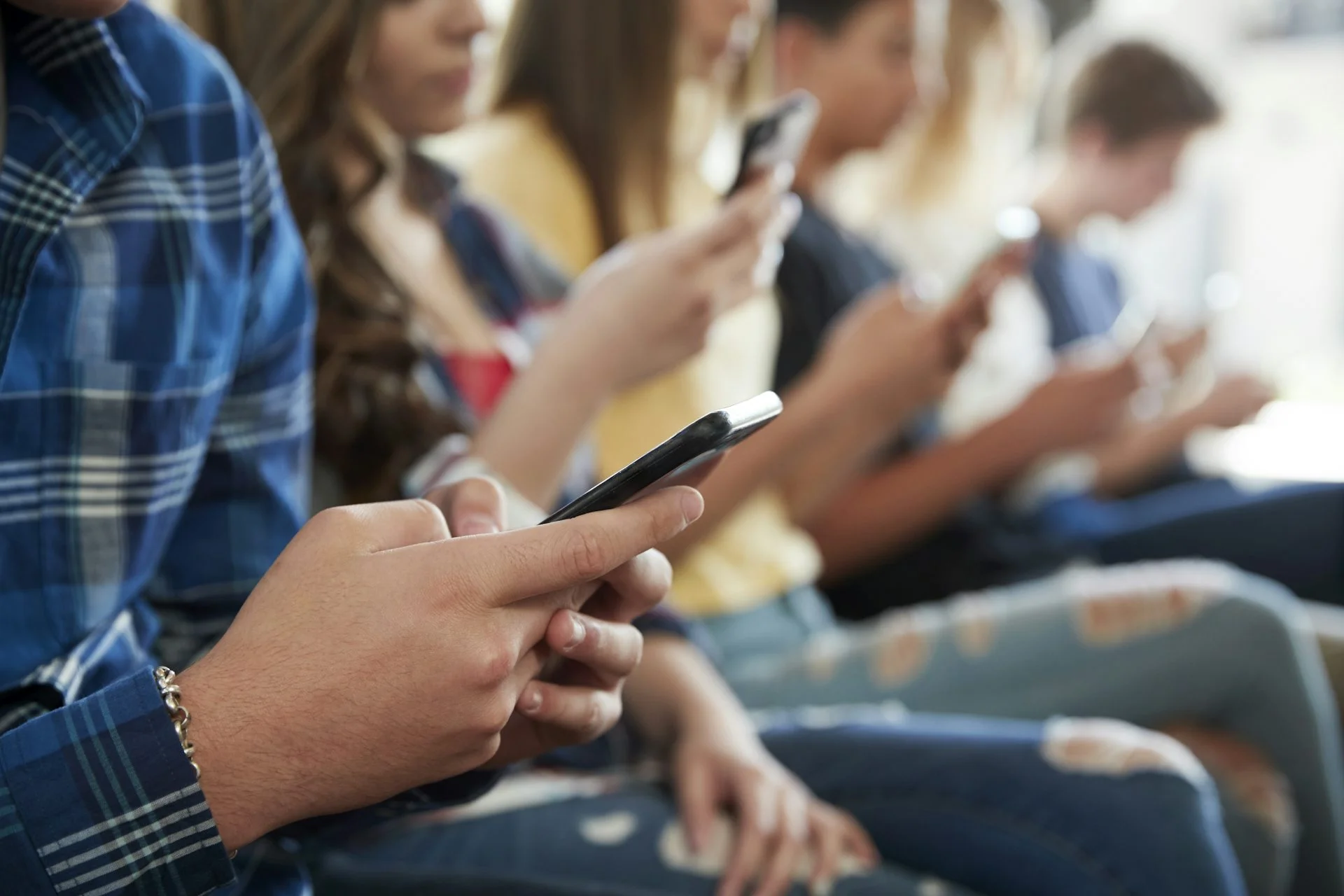
Pennsylvania is poised to implement a statewide “bell-to-bell” cellphone ban in public schools, a move that reflects a growing concern over excessive smartphone usage among students. The state Senate and House of Representatives have advanced legislation requiring K-12 students to keep their phones turned off or stored in designated areas throughout the school day. The driving force behind this initiative is to minimize digital distractions, enhance engagement in classroom activities, and engender more meaningful face-to-face interactions.
Governor Josh Shapiro is keen on a unified bill to send for his approval, underscoring the urgency of the matter. Advocates argue that a structured break from constant phone notifications will help students concentrate better on their learning and develop social skills. As a forensic nurse with a focus on digital safety and cyber-related issues, I see potential benefits in promoting healthier school environments. However, many students may find transitioning to a phone-free school day difficult, especially those with a high dependence on their devices.
Understanding Problematic Smartphone Use
The phenomenon of problematic smartphone use (PSU) is becoming increasingly prevalent among American adolescents. Data indicates that teens between 13 and 18 spend an average of 8.5 hours daily on screens, which correlates with various mental health issues such as poor sleep quality, anxiety, and depression. PSU is specifically characterized by uncontrollable phone usage, heavy social media reliance, and heightened distress during periods of disconnection from their devices.
An insightful survey by Pew Research Center reveals that 44% of teenagers feel anxious without their phones, contrasting with the 72% who appreciate the peace that comes from being disconnected. This duality illustrates the complex emotional relationship teens have with their smartphones, raising questions about the effectiveness of punitive measures like cellphone bans.
The Case for Digital Breaks
Proponents of the Pennsylvania ban argue that students need intentional intervals away from their phones to recharge and focus on education. Some experts frame these breaks as a form of “digital detox,” aiming to cultivate better concentration and social interactions amongst peers. Nonetheless, early adopters of such bans often report that students may not embrace the change readily, particularly those who exhibit signs of PSU.
My research suggests that students grappling with PSU may experience noticeable behavioral changes in the initial weeks following the implementation of a cellphone ban. Challenges such as irritability or restlessness could manifest, mirroring the chronic anxiety linked to their habitual device use. Past studies indicate, however, that most students adapt over time as new routines are established, eventually finding a balance that accommodates their needs.
That said, it's considered typical for adolescents to test boundaries and engage in rule-breaking behavior. Some students might hide their phones or resort to using alternative devices like smartwatches to maintain a connection to their digital lives. The transition to a phone-free environment doesn’t merely remove distractions; it represents a significant adjustment for many.
Developmental Stages and Screen Time
The American Academy of Pediatrics advocates for prioritizing healthy, non-screen interactions rather than merely imposing screen time limits. For instance, children under 18 months should avoid screens except for video calls, while kids aged 2 to 5 should have no more than an hour of high-quality programming daily, ideally alongside a caregiver.
As children progress through early elementary years, their social skills and ability to self-regulate their phone use become increasingly critical. By the time students reach middle school, the balance of peer influence and impulse control comes into play, making smartphones more enticing yet challenging to manage. This developmental phase pairs the allure of social media access with the potential for increased exposure to issues like cyberbullying and social comparison, which can be particularly harmful during adolescence.
In high school, students are navigating a complex digital landscape that reflects their evolving autonomy and identity. A cellphone ban in schools may alleviate social media pressures and distractions, but it could simultaneously be perceived as an infringement on their personal freedom, potentially leading to backlash.
A recent survey indicated that parents who support keeping phones accessible in schools prioritize being able to communicate with their children during emergencies or logistical challenges. It’s important to factor in these concerns as legislators and educators work to shape policies aimed at reducing digital distractions.
Empowering Parents in the Conversation
Regardless of whether the proposed ban becomes law, parents play a pivotal role in guiding children toward healthier technology habits. They can promote better sleep quality by encouraging children to charge their phones outside the bedroom and limit device use before bed. Establishing clear boundaries around phone use, such as no devices during meals or homework, may also foster better engagement during family time.
Parents should initiate open dialogues about digital safety, discussing topics ranging from app usage to the emotional toll of social media. This way, they can help their children navigate the challenges of increased screen time while fostering a balanced lifestyle. Engaging in activities that don't involve screens and modeling healthy device habits themselves can also reinforce these messages.
Consideration of the complexity surrounding smartphone usage in the lives of teens is essential in shaping effective policies. The balance between fostering communication and ensuring mental well-being remains delicate, demanding a thoughtful approach from both schools and families.
For more insights into trends and issues within Pennsylvania, subscribe to our Philadelphia newsletter on Substack.

Elizabeth Dowdell does not work for, consult, own shares in or receive funding from any company or organization that would benefit from this article and has disclosed no relevant affiliations beyond her academic appointment.