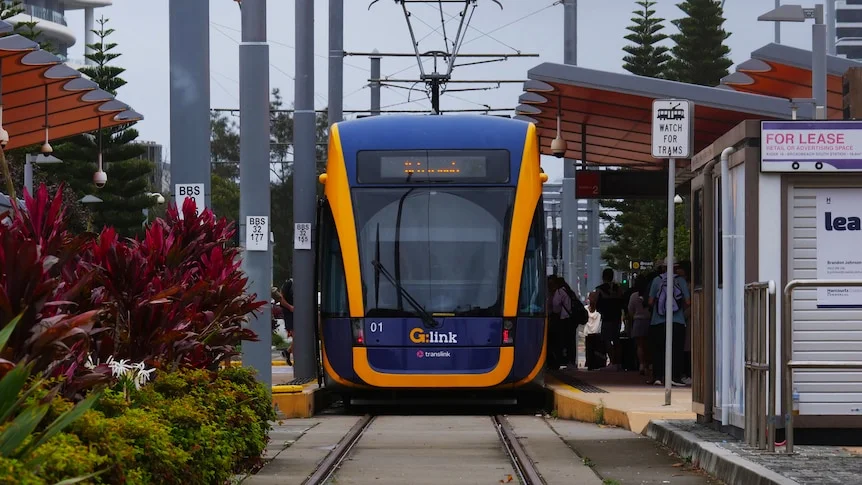
Gold Coast Light Rail Stage 3 Officially Launches This Sunday
The much-anticipated Gold Coast light rail Stage 3 is set to start operations this Sunday, as announced by the Queensland government. This new extension spans 6.7 kilometers, establishing a vital link between Broadbeach and Burleigh Heads, encompassing eight new stops, including Mermaid Beach, Miami, and Christine Avenue.
A Closer Look at the Project's Budgetary Challenges
Initially budgeted at about $709 million, this project faced significant cost escalations, ultimately reaching approximately $1.55 billion. That’s a staggering increase, reflecting a broader trend often seen in large infrastructure projects. Cost overruns typically arise from factors like unexpected ground conditions, design changes, and inflationary pressures on materials and labor. This project is no exception, as opinions vary on whether such increases are justified. Critics argue that the ballooning price tag reflects poor planning and budgeting, leaving taxpayers to shoulder the burden. Supporters, however, emphasize the long-term benefits that enhanced public transport brings to local communities.
Construction kicked off in July 2022 amidst rising concerns regarding delay timelines and budgetary constraints. With the Brisbane 2032 Olympic Games approaching, all eyes are on the Gold Coast’s transport capabilities. The state government aims to improve connectivity and alleviate traffic congestion, presenting the light rail extension as crucial to achieving these goals. Yet, skepticism remains regarding whether such infrastructure can be delivered on time and within budget.
Strategic Importance of the Extension
This light rail extension is part of a larger strategy focused on easing traffic congestion in the rapidly developing Gold Coast region. Rapid urbanization in Queensland has spurred significant population growth, which places an immense strain on existing transport systems. If you’re working in this space, you’ll appreciate that heavy reliance on cars can lead to gridlock, especially during peak tourist seasons. The new tram line, which connects key areas and popular destinations, is expected to offer a more efficient alternative to road travel.
Notably, the extension includes eight new stops designed to serve densely populated neighborhoods and commercial districts. Areas such as Mermaid Beach, Miami, and Christine Avenue stand to benefit significantly, both from improved accessibility and enhanced mobility. Transport Minister Brent Mickelberg emphasized the socio-economic advantages of the tram line, asserting that it will not only support local jobs and businesses but will also foster a sense of community by facilitating easier travel across these locales.
Tariff Structures and User Accessibility
The introduction of a permanent fare of just 50 cents is noteworthy. This price point aims to make public transportation more accessible, particularly for lower-income residents who might otherwise avoid public transport due to costs. By keeping fares low, Queensland is sending a signal that using public transport should be an attractive option. The decision is particularly timely given rising fuel prices and growing awareness of environmental issues, making public transit a more viable and sustainable choice.
This move aligns with global trends where cities are striving to make public transport more appealing and affordable. And yet, some may argue that such low fares can undermine the financial viability of the transport system in the long term. How will Queensland maintain service quality and operational sustainability while keeping fares economical? These concerns linger, notably among industry experts and economists.
Economic Implications
Transport Minister Brent Mickelberg remarked that the tram extension is poised to stimulate economic activity in the region. This should not be dismissed lightly. A sufficiently well-connected public transport system can lead to increased patronage in local businesses, raise property values, and enhance the overall attractiveness of an area to residents and tourists alike. History shows that substantial investments in public transport often yield substantial economic returns. However, previous infrastructure promises haven't always translated into measured success.
Moreover, as this new system begins operation, local businesses must adapt their operations to capitalize on increased foot traffic. Proximity to tram stops can be a major draw for customers, making location strategy critical for retailers and service providers. Yet, for smaller businesses, the influx of competition can be something of a double-edged sword. Will the newly stimulated demand truly foster sustainable growth, or will it lead to an oversaturation that could harm small retailers?
Future Outlook and Significance
The Gold Coast light rail Stage 3 not only signals an ambitious step toward improved public transport in the area but also raises questions about the long-term effectiveness of such infrastructure projects. As cities worldwide grapple with their own transport issues, the experience of the Gold Coast can offer valuable lessons. Will these strategies prove successful in reducing congestion and boosting local economies, or may they fall victim to the pitfalls of over-budgeting and mismanagement down the line?
With the Olympics looming, this project’s performance will be closely monitored. The outcomes may set a precedent for future transport initiatives, not just in Queensland, but potentially throughout Australia. Moreover, its success could inspire other cities facing similar challenges. (And this is the part most people overlook.) The results could shape funding and development priorities nationally, making the implications of this project far-reaching. The stakes are high, and public scrutiny will undoubtedly follow with particular insistence.