Veterans Demand Transparency and Accountability in Defense Suicide Reforms
Two years have elapsed since the final report of the Royal Commission into Defence and Veteran Suicide, and veterans alongside advocates express urgency for more transparency and actionable responses to its 122 recommendations.
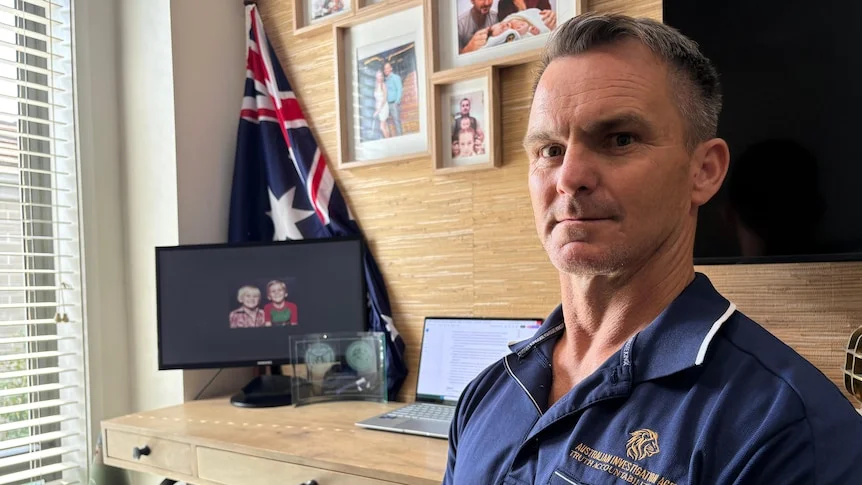
Veteran Ben Wadham from Flinders University, a key voice in the discourse, projects a sense of stalled momentum regarding promised reforms. "Momentum has drifted a little bit," he stated, emphasizing the need for renewed focus on the recommendations through a newly launched campaign from the university's Open Door Initiative.
Wadham, who serves on the Defence and Veterans' Service Commission (DVSC), is calling for a public record of progress that includes crucial information about implementation stages and accountability. "Government is telling us one thing, but if you try to find the actual information on that, it's very difficult," he lamented, stressing the necessity for a system that enables veterans and families to know what's happening with their cases.
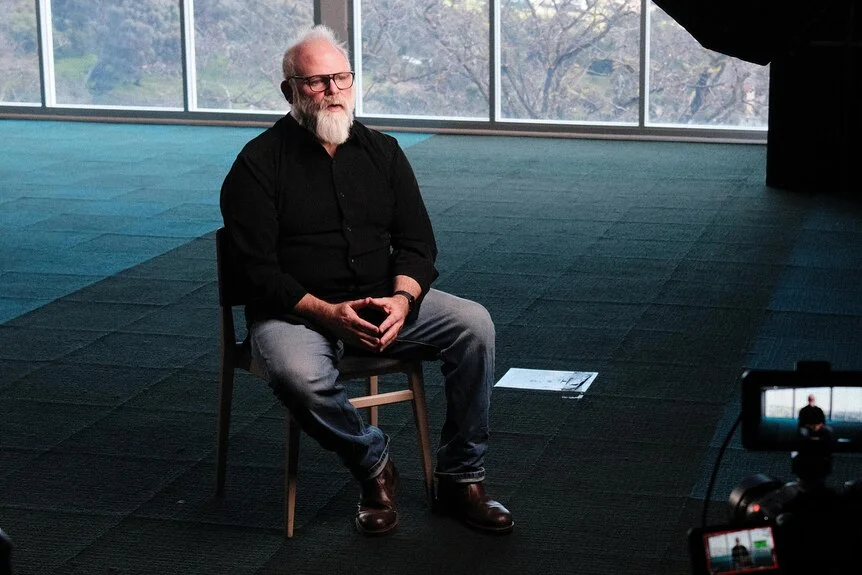
The Open Door Initiative has taken steps to highlight these issues further, recently launching a 10-minute documentary addressing the impact of veteran suicide. Within the documentary, Navy veteran John Armfield, who served 20 years, shares his experiences and heart-wrenching losses. He articulated the devastating toll of his brother Andrew's suicide after military service, revealing that he tried to alert authorities to his brother's struggles without success.
"Throughout the recovery process, I identified failures in his treatment which I raised through the correct and appropriate commands and no one paid attention to a junior sailor trying to save his brother," Armfield recounted, revealing a deep sense of frustration and accountability deficits within the military system. He added, "The system is broken," sharing that in his case, the very structures meant to protect seemed to obscure accountability.
In the documentary, Armfield together with Open Door Initiative researcher Karen Bird, who lost her own son to suicide after serving in Afghanistan, advocates for real action and transparency in response to the Royal Commission's findings. "I want to know where all the recommendations are up to other than 'underway' or 'in progress' because what does that mean?" Bird emphasized, highlighting a shared desire among families to grasp the status and effectiveness of reforms.
Government's Commitment to Change
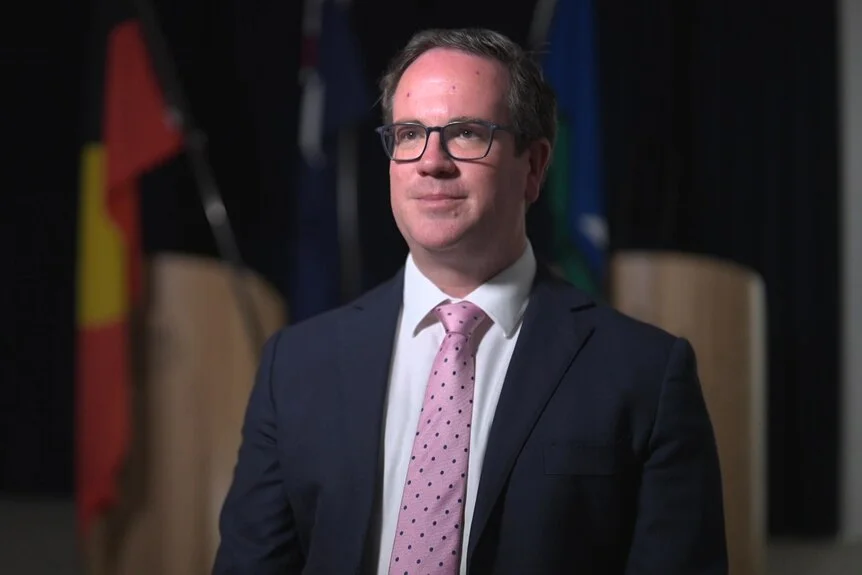
Despite the concerns raised, Minister for Veterans’ Affairs and Defence Personnel, Matt Keogh, asserts the government has made substantial progress. He claims that by the end of last year, a quarter of the recommendations had been implemented and affirmed that the agenda is on track to fulfill two-thirds by the year’s close.
"Just this week, on the second anniversary of the royal commission's final report, we've announced that we've upgraded our response to 15 of the recommendations," Keogh stated. His comments also highlighted the establishment of the new Veteran and Family Wellbeing Agency, suggesting a proactive response to calls for systematic change.
While the community remains hopeful for substantive action, critics like James Armfield remain unsatisfied with bureaucratic assurances. "A cap should not be the solution," he argued, addressing concerns about a proposed $5,000 threshold on veterans' allied healthcare spending due to take effect next year. He pointed out that such measures distract from addressing the root causes of the challenges faced by veterans.
The ongoing discourse surrounding the Royal Commission's outcomes serves as a reminder of the urgent need for accountability and effective reform in veteran care. With voices like those of Armfield and Bird rallying for change, the pressure is on both the government and military systems to deliver on promises made.