Paramount's Merger with Warner Bros Receives Legal Clearance Following Settlement
Paramount has successfully negotiated a settlement with a coalition of US states, enabling it to proceed with its ambitious acquisition of Warner Bros Discovery. This merger aims to create a significant entertainment conglomerate that will encompass film, television, and news assets, reflecting a notable shift in Hollywood.
The Dynamics of the Deal
Under the leadership of David Ellison, Paramount triumphed in a competitive bidding scenario against Netflix for Warner Bros' assets earlier this year. This strategic acquisition represents more than just a financial transaction; it’s about positioning within an increasingly fragmented media environment. The deal, valued at about $81 billion, includes well-known properties such as Warner Bros Pictures and the streaming service HBO Max, making it one of the largest merges in recent memory.
Paramount’s move is emblematic of a broader trend in the entertainment sector. As streaming services gain traction, traditional media companies are racing to consolidate resources and capabilities. This pressure can lead to a homogenization of content, raising questions about diversity and originality in future productions. If you're working in this space, you might want to keep an eye on how this merger affects not only corporate structure but also cultural output.
Regulatory Scrutiny and Employment Concerns
Initially approved by the Trump administration in June, the merger faced pushback from twelve states concerned about its potential impact on employment within the film industry and expectations of reduced movie production. The Congress was particularly attentive to these concerns, leading to a lawsuit that aimed to block the deal, which reflected widespread anxiety regarding media consolidation's impact on jobs. Media companies are often scrutinized for how their operational shifts affect workers, especially in an industry where job security isn't guaranteed.
However, the resulting settlement includes stipulations that could mitigate some of these employment fears. Notably, Paramount has agreed to maintain its production facilities and adhere to existing labor agreements, reflecting an awareness of the backlash. This is significant, as major layoffs following mergers can create public relations nightmares and erode consumer trust.
Global Financial Backing
The financial framework of the merger reportedly involves around $24 billion in equity funding from major sovereign wealth funds from Saudi Arabia, Qatar, and Abu Dhabi. This level of financial backing emphasizes the global landscape of the entertainment industry, where Middle Eastern investments have become increasingly influential. Foreign investments often bring both capital and strategic partnerships, which can help companies expand their reach. However, they also raise questions about the influence of non-Western entities on American cultural outputs.
Concerns from the Industry
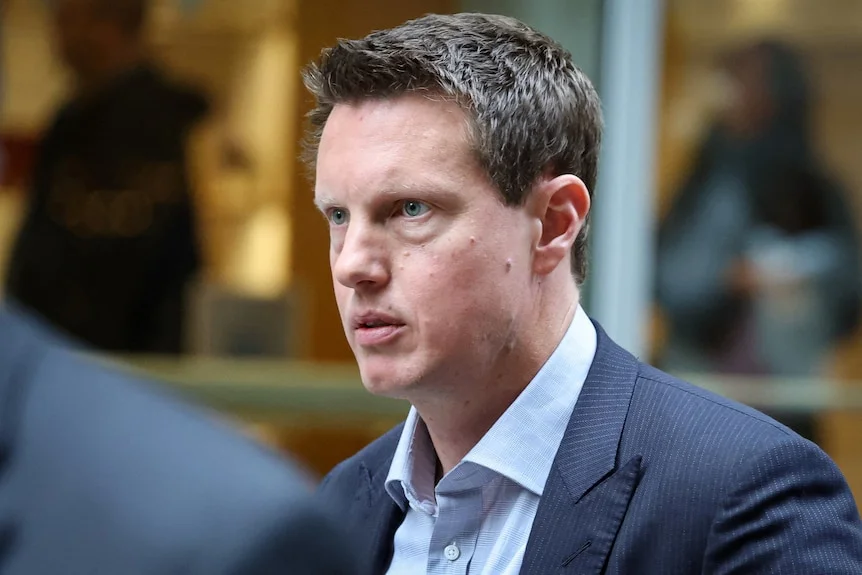
Opponents, particularly within Hollywood, expressed concerns that this large-scale merger would lead to significant job losses and a decrease in overall film output. The fear isn't unfounded; in past mergers, we’ve seen a pattern of cutbacks and consolidation that often disregards individual creativity. In a strategic move to alleviate these anxieties, the deal includes measures aimed at safeguarding editorial independence for CNN—a vital aspect of maintaining journalistic integrity. Media independence can be a fragile equilibrium during mergers of this magnitude, and this attention may also serve to bolster confidence among employees and audiences alike.
Commitments to Production and Jobs
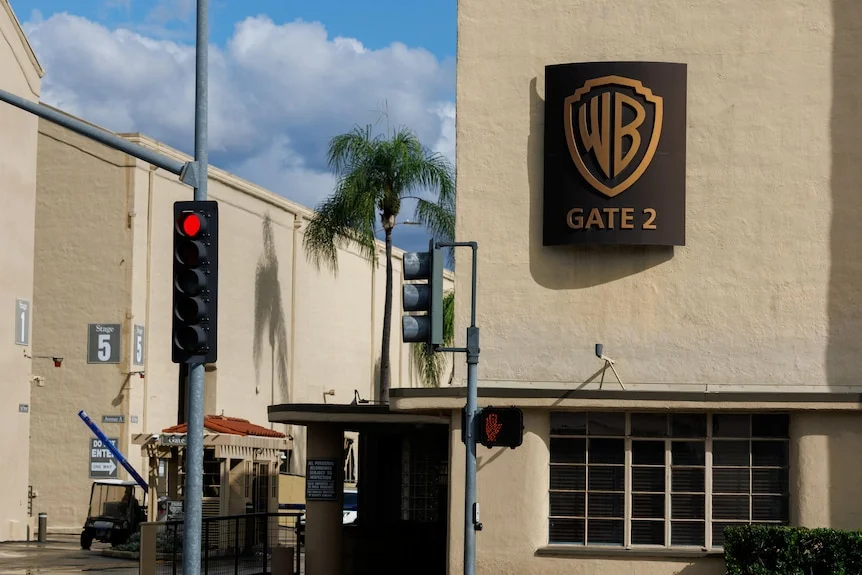
Following the settlement, Paramount's management has pledged to increase film production as part of the merger agreement. Plans include producing at least 30 films in the merger’s first two years, increasing to 32 annually in the next three years, all while ensuring that a portion of these films are independent projects. This commitment addresses concerns that the merger might constrict the variety of content available to the public.
Settlement Terms and Implications
The attorney general of California, Rob Bonta, stated that the agreement would protect jobs while not necessarily endorsing the merger itself. Importantly, he mentioned the need for both studios to maintain their production facilities, adhere to existing labor agreements, and invest in workforce training initiatives. This illustrates a move towards a more responsible approach in handling workforce repercussions often seen in corporate mergers—an aspect that could influence future negotiations.
As part of the agreement, Paramount committed to prohibiting layoffs in CBS News for five years and contributing $17.5 million to the Writers Guild of America (WGA)'s health fund, as well as covering legal costs from a suit brought by the union. While the WGA has settled its lawsuit, it’s clear the organization still harbors concerns over potential impacts on writers' livelihoods.
The Bigger Picture: Implications for the Industry
The merger offers an intriguing glimpse into the rationale behind large-scale media consolidations. Companies are not merely merging for efficiency; they are also looking to redefine their positions within a highly competitive marketplace. This is more significant than it looks. Paramount's strong commitments to production could introduce fresh narratives, but they come with heavy expectations. The industry is already witnessing a shift; with streaming platforms continually evolving, established outlets may find it challenging to keep pace.
As competition increases, the question remains: Will we see a proliferation of quality content or merely a dilution of creativity in favor of profitability? The future of this merger—and what it means for the entertainment sector as a whole—will likely unfold in a way that reveals its true impact over time.