Extended Birdsville Track Closure Disrupts Outback Economic Activity
Australia's Birdsville Track, a vital artery for freight and tourism in the outback, has faced an unprecedented closure for 400 days over the past two years, intensifying challenges for remote businesses. Spanning over 500 kilometers, it connects Birdsville in Queensland to Marree in South Australia, playing a significant role in local commerce and cattle transportation. This thoroughfare isn't just a road; it is an essential economic lifeline for communities scattered across this rugged terrain.
Extreme Weather Impact
Historically, the track has been susceptible to flooding, but the current level of disruption is particularly alarming. Heavy rains have rendered parts of the unsealed road impassable, with damage significantly worse than in previous years. The South Australian Department for Infrastructure and Transport is hopeful about reopening a 200 km section of the track from Marree to Mungeranie next week, yet sections farther north may remain closed for an extended period. This increasing frequency and intensity of closures raise questions about climate change and its repercussions on infrastructure resilience. Such conditions pose substantial logistical problems for businesses that rely on consistent access for supplies and tourism traffic.
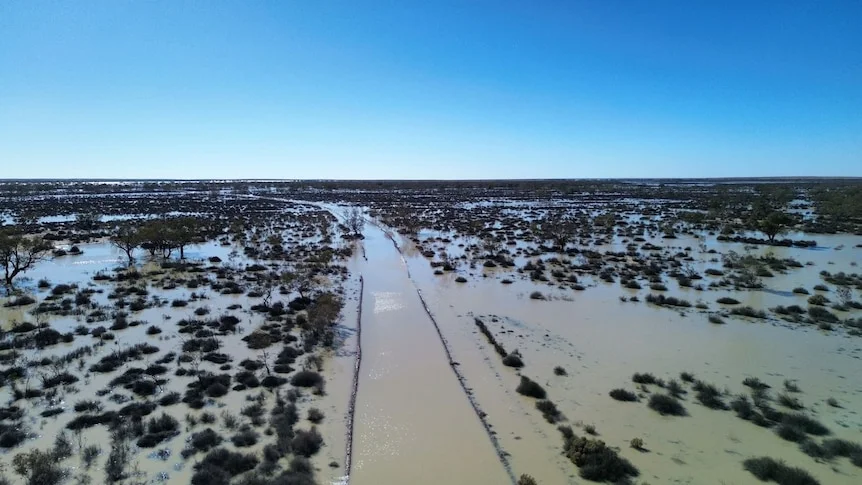
Cooper Creek over the Birdsville Track, in June 2025. (Supplied: Marree Roadhouse)
Economic Ramifications
The economic impact is palpable. Lyall Oldfield, owner of the Marree Roadhouse, reported that business has dwindled to about one-third of the usual volume. “It’s just dreadful what’s happening with the roads. It’s not even a joke,” he commented, indicating a historic upset: “My family has been here since 1934, and it's never ever happened that the Birdsville Track has been closed any longer than a month.” The statement underscores the stark reality many businesses face — in a place where isolation often dictates survival, prolonged closures can lead to significant financial losses and, ultimately, lost livelihoods.

Despite the challenges, Lyall Oldfield is "very happy" living in the outback. (Supplied: Marree Roadhouse)
Reviving Local Economies
Approximately 230 km north of Marree lies the Mungerannie Hotel, which has remained shuttered this year due to the same obstacles. New owners took charge in 2023, but the extended closures halted essential water deliveries, severely hampering operations. Co-owner Andrew Norman explained, “Last year we thought it was devastating, but we didn’t know this year was coming.” The closure has deterred tourism and significantly affected the local economy. It’s a reminder of just how fragile these isolated economies can be. If you're working in this space, the struggles of these businesses highlight the importance of resilient infrastructure.
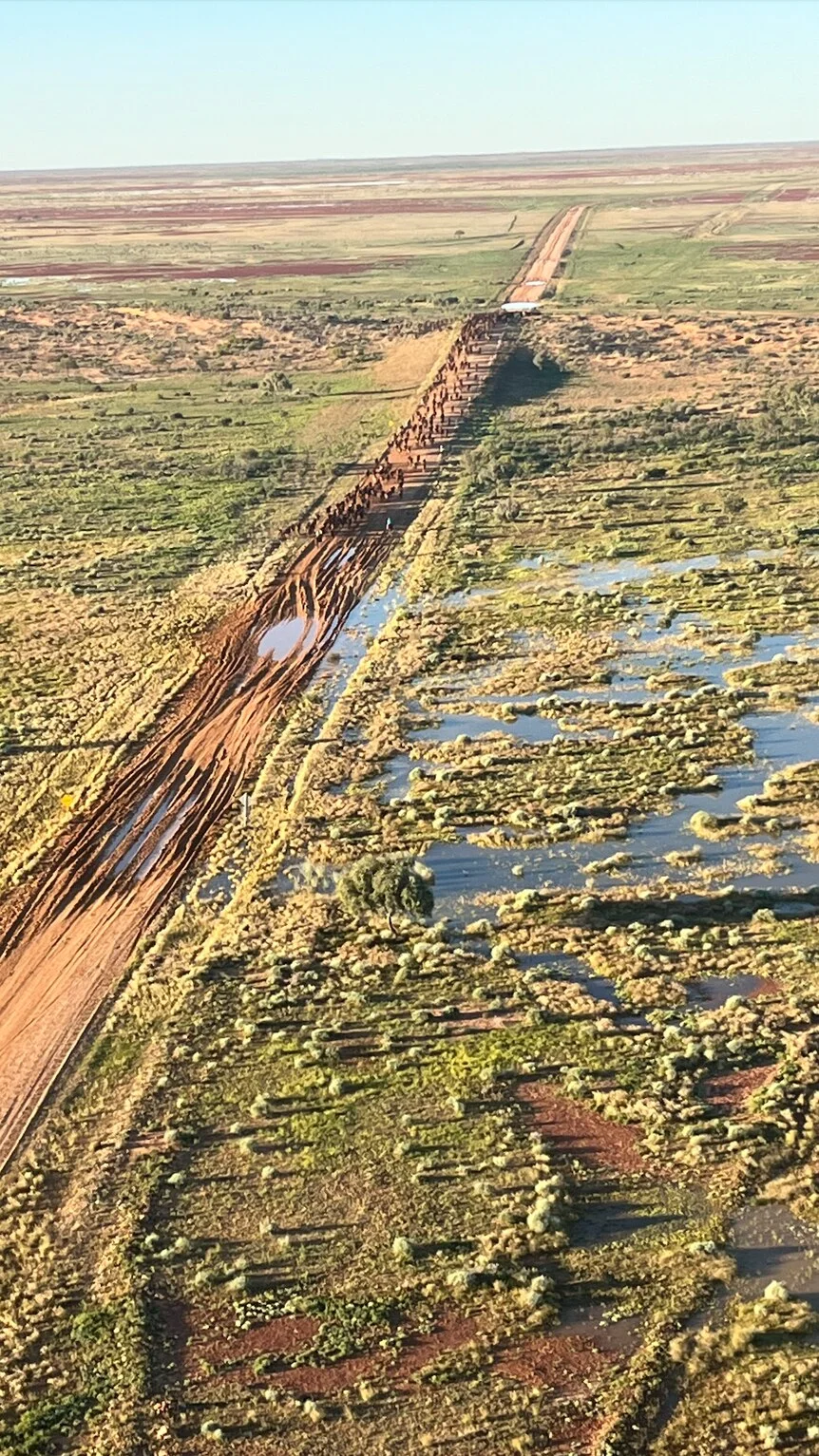
Cattle coming off Clifton Hills Station on the Birdsville Track in South Australia after flooding. (Supplied: Pete Nunn)
Norman emphasized that with the closure persisting, tourism has dwindled: “Nobody's really coming up to Mungeranie to turn around and go back.” He expressed hope for the next year if they can get the track open, noting, “If the track is open, we’ll be open. But without a track, we’re not open.” That sentiment captures a broader truth: access is synonymous with survival in these remote locales.
Anticipated Reopening Challenges
As the SA Department works to reopen sections of the Birdsville Track, the situation remains complicated. Some northern lengths are still submerged. Regional road maintenance manager Juanita Chester explained it may take months before these areas are accessible again. “When you're thinking of over a kilometer of road that is underwater, there's a significant amount of material that we'd have to cart in to put on that road to build it up enough to allow traffic to go through,” she noted. The enormity of the task illustrates just how intricate the recovery will be — both logistically and financially.
Despite considerations for creating a single-lane access route, Chester pointed out that the ongoing flooding of local material sources presents further challenges: “If we can’t get in there to get material, there’s very little we can do short of carting material from a long, long way away, which then impacts the roads.” With the examination of the project scope still ongoing, approval for repair efforts remains uncertain in the near term.
Future Outlook: Implications for Infrastructure
As the local economy hangs in the balance, stakeholders are eagerly awaiting the resolution of this long-standing infrastructure issue, hoping for a pathway not just through the mud but back towards stability. The implications stretch beyond just the Birdsville Track; they highlight the vulnerability of remote areas in the face of climate events. This situation serves as a wake-up call for infrastructural investment and the need for resilient planning in the face of environmental shifts. If the right measures aren't taken, it won't just be the Birdsville Track that suffers; the ripple effects would reach deep into the local economy, impacting livelihoods and community sustainability.