New Restrictions on Mallee Family Care Amid Quality Assurance Concerns
A significant restriction has been imposed on Mallee Family Care, a prominent foster care provider on the Victoria–NSW border, preventing them from accepting any new foster care applications. This action follows a year of oversight from the NSW Office of the Children's Guardian (OCG), which has been monitoring the facility’s operations closely.
Background on the Oversight
The involvement of the OCG is steeped in history and necessity. Regulatory bodies like the OCG are put in place to ensure that foster care agencies meet adequate standards for child safety and well-being. Such scrutiny has become increasingly common as the government looks to improve the often-criticized foster care system. The complications surrounding foster care can range from inadequate living conditions to gaps in training for caregivers. Mallee Family Care has found itself in the crosshairs of these reforms, reflecting a broader trend of heightened regulatory oversight across the sector. This isn't merely a local issue; reforms in child welfare are being discussed globally as societies grapple with how best to care for vulnerable populations.
The New Restrictions Explained
Effective September 2, Mallee Family Care, which employs over 300 staff members, is under new conditions that halt new referrals to its out-of-home care program. A spokesperson for the OCG stated, "In some circumstances, the Children's Guardian may impose a condition on an agency's accreditation preventing it from accepting further placements of children and young people." This measure aims to allow the organization to enhance its practices with the children already in its care. The OCG's decision underscores the serious nature of the existing shortcomings, effectively signaling to the public and stakeholders that even established agencies can falter without continuous improvement and accountability.
Under these new conditions, Mallee Family Care is tasked with not only maintaining current levels of service but also making necessary adjustments to improve the quality of care provided. The implications are significant. The halt on new applications can lead to increased stress on existing resources, as current staff must manage a potentially rising caseload without additional support. The organization is left in a precarious position—balancing the needs of current children in care with the imperative to meet compliance standards dictated by the OCG.
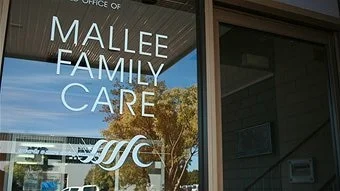
Mallee Family Care has been ordered to enhance quality assurance measures in its services.(ABC News: Charlotte King)
Focus on Internal Improvements
While Mallee Family Care must now focus on improving its existing systems, it can continue to operate current foster care and home-based programs. This allows for some continuity in service, albeit under the looming shadow of compliance milestones. Importantly, the OCG retains the authority to revoke or shorten the agency's accreditation if compliance with the new conditions isn't met. For Mallee, this means they must prioritize their resources wisely; failing to do so might lead to more drastic sanctions.
What this means for any organization in a similar situation is stark: regulatory bodies can and will impose severe restrictions based on a broad spectrum of qualitative assessments. If you're working in this space, you'll want to ensure robust internal mechanisms are in place to catch concerns before they escalate to a regulatory level.
Historical Context of Compliance Issues
This oversight isn’t new; the agency first faced scrutiny in September 2025 when it was ordered to develop a comprehensive improvement plan to address concerns across various areas, including child safety and the quality of care environments. Such a directive underlines the systemic issues often woven into child welfare systems. It reflects a pattern where organizations may initially operate under less rigorous conditions, only to later find themselves facing increased oversight as standards evolve.
Mallee Family Care had until October 7, 2026, to submit progress updates targeting the specified improvement areas. This kind of timeline reflects the ongoing expectations placed on organizations, which are often under pressure to deliver timely improvements while maintaining daily operations. And yet, many organizations falter under this dual burden. They might have difficulty prioritizing compliance when immediate care needs take precedence, creating potential pitfalls.
Future Outlook and Potential Implications
Looking ahead, Mallee Family Care must review and align its policies with the NSW permanency support program codes by the end of November, specifically addressing the regulator's Code of Practice. For families in need, this could mean less immediate access to foster placements but might ultimately improve care quality if done correctly. Continued monitoring and assessment from the OCG will follow, ensuring that Mallee Family Care is held accountable throughout the process.
This situation has far-reaching implications for the foster care system at large. Increased scrutiny may lead to a ripple effect, prompting other agencies to re-evaluate their own compliance measures. Child welfare is a delicate balance between urgency and thoroughness, especially when vulnerable populations are at stake. Organizations might be forced to reconsider how they allocate resources to remain compliant while still providing necessary services.
Mallee Family Care has yet to provide a public comment on the new restrictions. Their silence may speak volumes; it could reflect uncertainty, frustration, or the acknowledgment that serious challenges lie ahead. Whatever the case, stakeholders will be watching closely. The stakes couldn’t be higher.