Christmas Beetle Sightings Rise, but Population Recovery Remains Unclear
Nov 27, 2026
702 views
A better season won’t answer the biggest question
Christmas beetles may be appearing earlier this year, but a promising season won’t tell scientists whether their populations are recovering. That’s the gap the expanding Christmas Beetle Project is trying to close. The metallic insects are a familiar Australian sign of summer, and people have been noticing fewer of them. Their absence has become a subject of public nostalgia, even prompting [a Reddit discussion](https://www.reddit.com/r/sydney/comments/yxccf7/what_happened_to_all_the_xmas_beetles/). Yet there isn’t enough population data to determine whether Christmas beetles should be listed as threatened. The outlook for this season is encouraging. A warmer winter can help some insects grow faster and improve their chances of reaching adulthood, says University of Sydney entomologist Tanya Latty. Beetles have already been reported about a month earlier than usual in some regions. Strong spring rain may help too.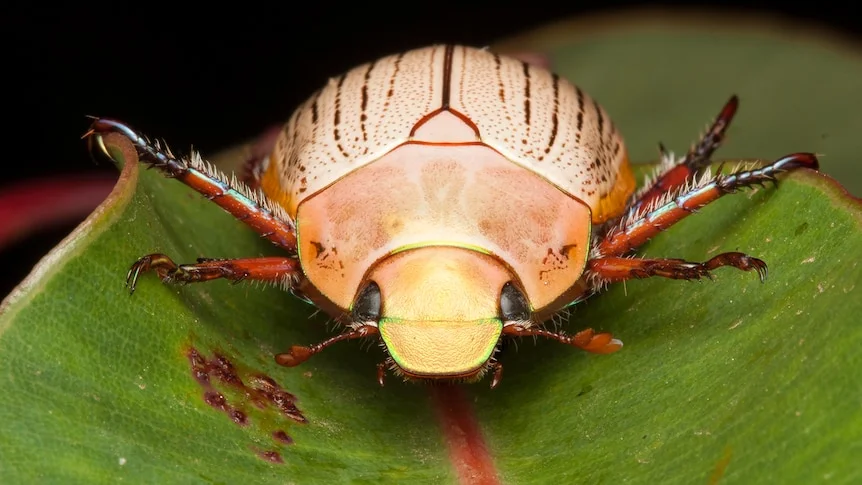 *Christmas beetles appear to be declining, but there isn’t enough data to add them to a threatened species list. (Supplied: Minibeast Wildlife)*
“Fingers crossed,” Latty says. She’s hopeful the early sightings will add up to a good season, though sightings alone can’t establish what’s happening to the population.
Why the missing data matters
Christmas beetles are scarab beetles in the Australian genus *Anoplognathus*. About 36 species live almost exclusively in Australia. They’re usually seen from October to February, mainly in the eastern states, with one type found in Western Australia. Adults are typically 20 to 30 millimetres long and range from brown to metallic green or gold.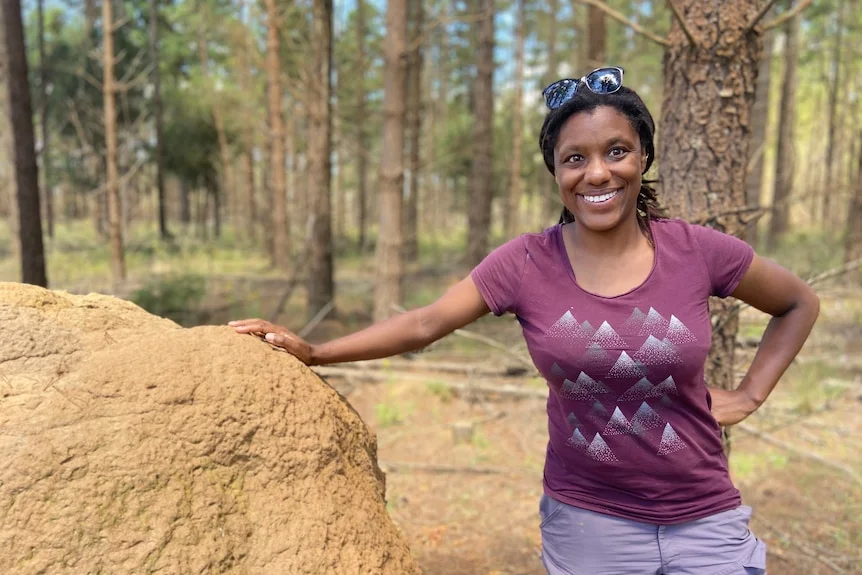 *University of Sydney entomologist Tanya Latty hopes more Christmas beetles will be recorded this year. (Supplied: University of Sydney)*
The gold Christmas beetle was recently named the [2026 Australian Insect of the Year](https://www.abc.net.au/news/2026-11-10/gold-christmas-beetle-voted-2026-australian-insect-of-the-year/107344830). Its familiar appearance makes the reported decline easy to notice. Measuring that decline, and finding out what’s causing it, is much harder.
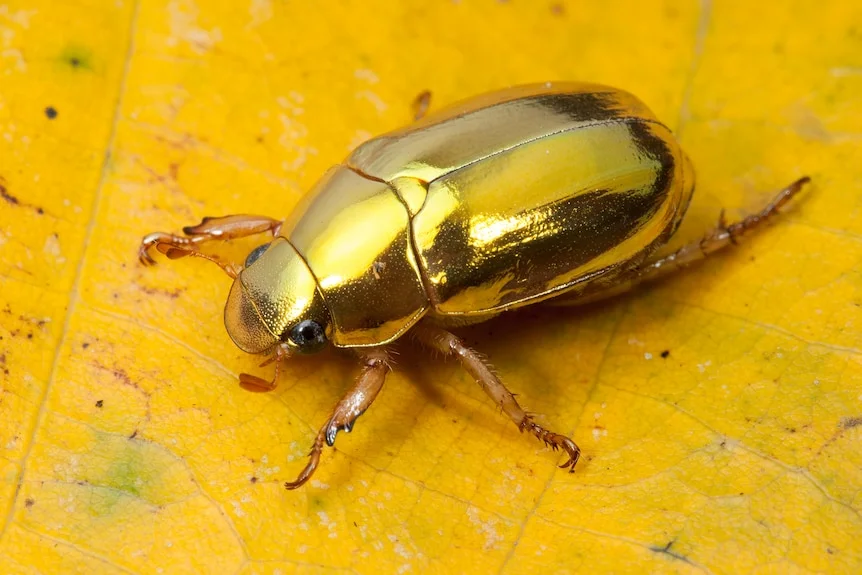 *The gold Christmas beetle was named the 2026 ABC Australian Insect of the Year. (Supplied: Alan Henderson, Minibeast Wildlife)*
James Bickerstaff, an entomologist and evolutionary biologist at CSIRO’s Australian National Insect Collection, says rain can soften the soil where the beetles pupate. That may make it easier for adults to emerge. A wet spring is a reason for optimism, he says, but the available evidence doesn’t yet explain the decline or identify its causes. Climate change and habitat loss are among the possibilities.
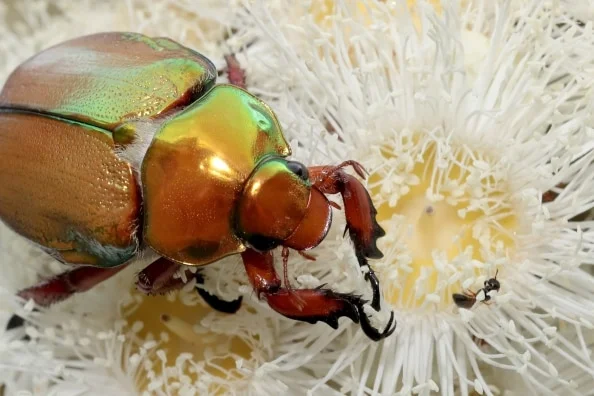 *Christmas beetles play an important role in the ecosystem. (Supplied: Shutterstock)*
Their role extends well beyond the Christmas season. As detritivores, the beetles live in soil and leaf litter, recycling nutrients. Adults also feed birds, mammals and reptiles. If their numbers are falling, that could matter across the food web—but scientists need better data to assess the scale and the threats.
Turning sightings into a population record
Now in its sixth year, the Christmas Beetle Project asks people to photograph beetles and upload sightings to [iNaturalist](https://www.inaturalist.org/), a global biodiversity database. Researchers can check identifications, but the system has a blind spot: it records where people find beetles, not where they look and find none.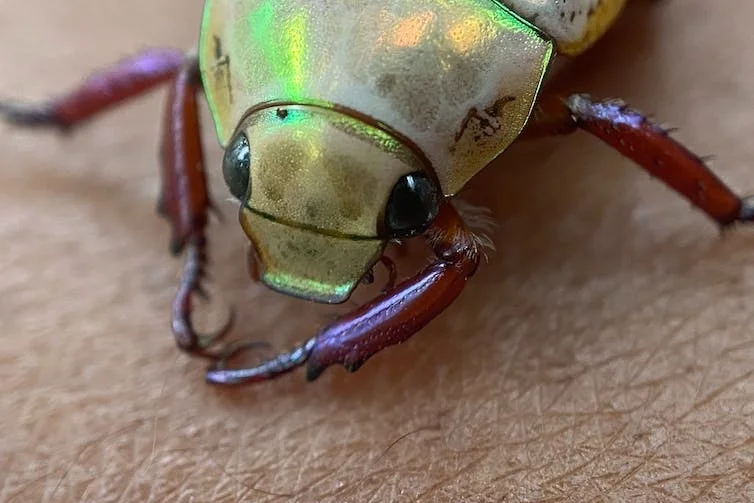 *Some Christmas beetles have an iridescent shine. (Supplied: Tanya Latty)*
This year, the project is adding public workshops where participants learn to use light traps. The traps attract nearby beetles, and volunteers will monitor them a couple of times a month during the season over the next few years. Workshops are planned in locations around Australia.
That change gets at a basic problem in citizen science: a map of sightings can’t show where a species is absent. Regular monitoring could provide the consistent population data needed to judge whether the beetles qualify for threatened status and what might help them.
And a trap with no Christmas beetles still counts. As Latty points out, it’s useful evidence—and participants may see other animals drawn to the light.