Inquest Underway into Death of Involuntary Patient at Albury Hospital
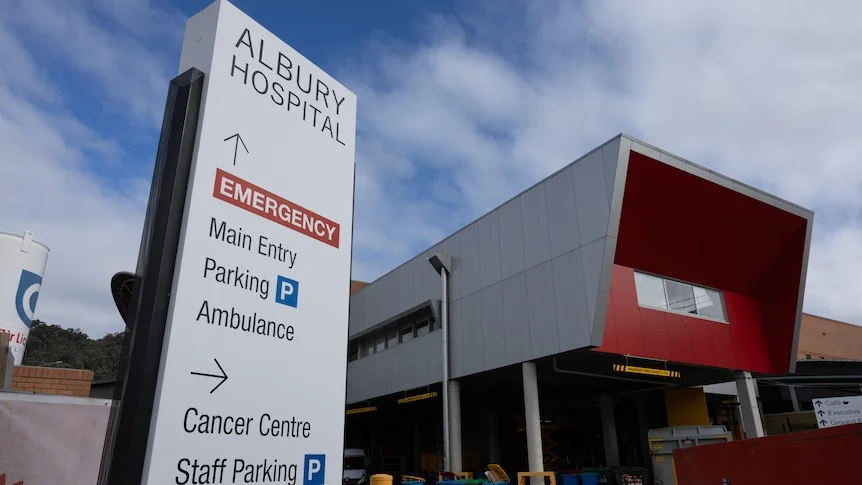
A coronial inquest is currently investigating the circumstances surrounding the death of Kate Manley, a 46-year-old involuntary patient at Albury Hospital. Manley was admitted to the facility on November 11, 2022, where she subsequently died on November 16 from what is believed to be a pulmonary embolism—a condition marked by a blood clot in the lung, often related to deep vein thrombosis.
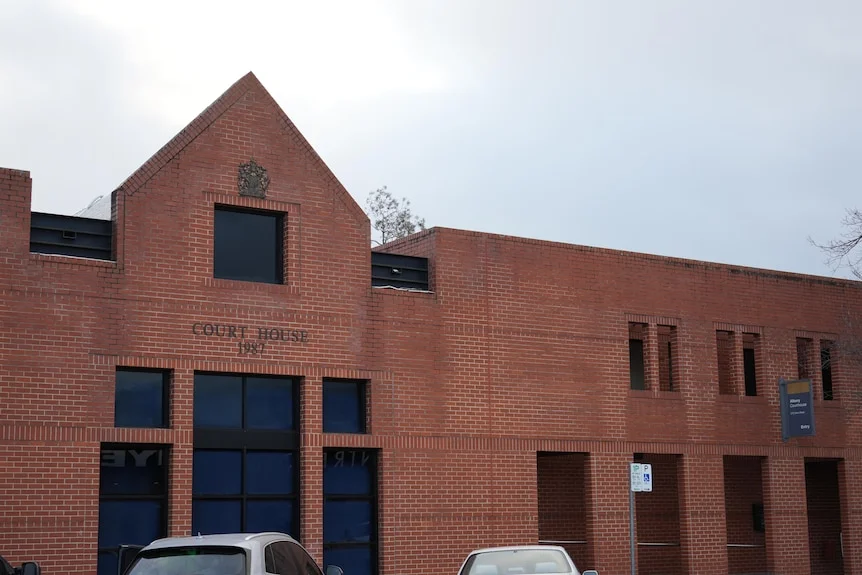
The inquest commenced at the Albury Local Court and will extend for two weeks. Counsel assisting the coroner, Patrick Rooney, highlighted in his opening statement that Manley had been in distress and struggling with her mental health prior to her admission. Following a consult with her GP on November 9, it was noted that she was not sleeping well and was in a "bad way" mentally.
Background of the Case
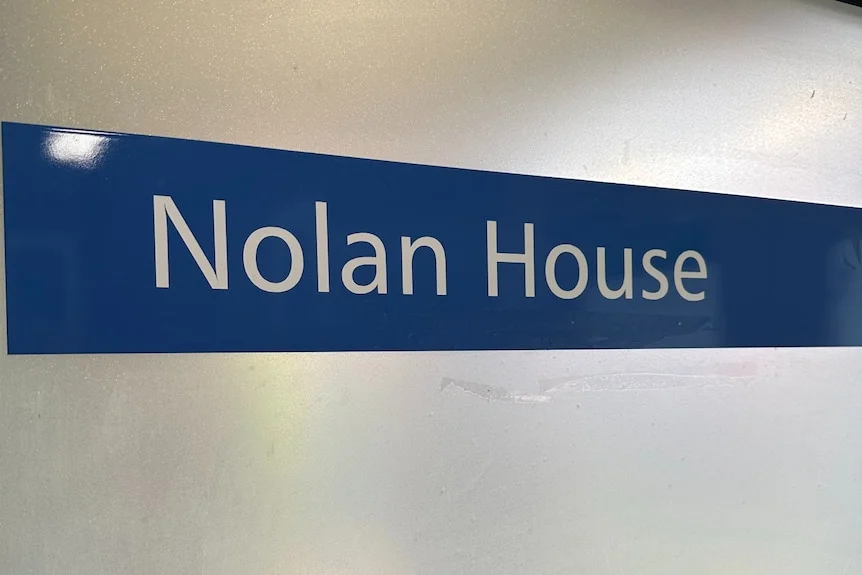
Upon admittance, Manley was placed in a room with her partner and underwent a medical assessment. Dr. Bishal Bakrgava described her state as "quite distressed" but with only minimal agitation. Manley was later transferred to Nolan House, a psychiatric ward within the hospital, where she was diagnosed with catatonia. Over time, medical staff expressed concerns about her lack of responsiveness and elevated temperature. Just before her death, she complained of neck pain and had reportedly not eaten for an extended period.
On the night before her passing, she was transferred back to a medical ward where she was given IV fluids. However, direct observations noted that Manley was not wearing any compression stockings—typically utilized to prevent conditions like deep vein thrombosis—nor had any diagnosis relating to blood clots been established during her entire hospital stay.
Care in Question
The inquest heard that, upon her initial arrival, both doctors and nurses observed Manley as mobile and capable of walking. However, contradictions arose during her time at Nolan House, where there appeared to be a deterioration in her condition. Rooney pointed out that Manley seemed to "freak out" at the prospect of her admission to Nolan House, where staff member Andrea Friswell attempted to calm her fears, suggesting that the environment would be quiet at night.
"There were no physical concerns and she was not complaining of pain,"
Friswell stated while providing her evidence. Yet, it later emerged that treatment protocols required patients to undergo a venous thromboembolism (VTE) risk assessment within six hours of ward admission. Friswell informed the court that the tool necessary for this assessment was only implemented at Nolan House after Manley's death, now requiring all patients in the facility to undergo this evaluation.
Medical Assessments
Locum psychiatrist Tshepo Ntokwane conducted an assessment of Manley the day following her admission. He expressed concern over the lack of pathology tests performed prior to her transfer and noted difficulties in evaluating her cognitive state. He commented on the need for basic medical evaluations before admission to a ward, although he ultimately felt content with her ability to stay at Nolan House.
Details regarding Manley’s medical history, including previous diagnoses of schizophrenia and treatment for depression, were also presented. The inquest aims to scrutinize multiple factors: the adequacy of the care Manley received, the appropriateness of her mental health diagnosis, and whether medical staff adhered to established protocols throughout her treatment.
The examination continues, focusing on the broader implications of her care and the procedural shortcomings that might have contributed to her untimely death. This inquest not only seeks accountability for what occurred but also aims to enhance future care standards for patients with mental health challenges.
As the hearing progresses, further insights will likely emerge regarding the practices at Albury Hospital and their implications in addressing the complex needs of involuntary patients.