Canberra's Iconic Bus Shelters Officially Recognized as Heritage Sites
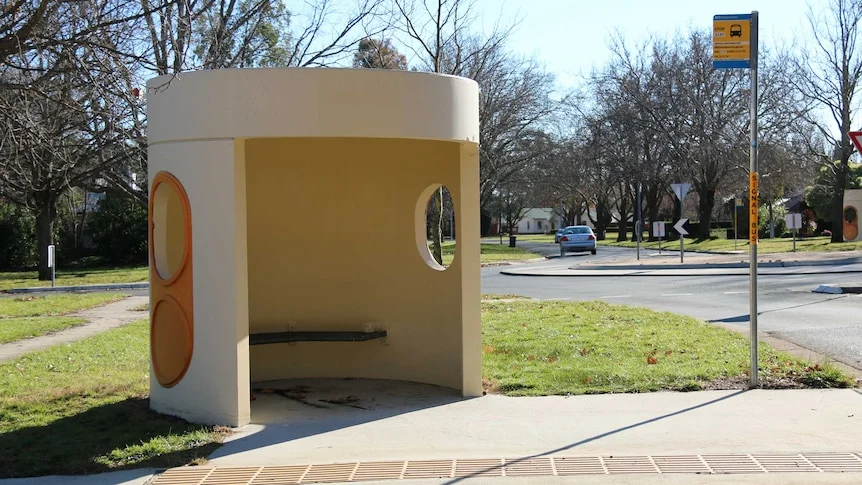
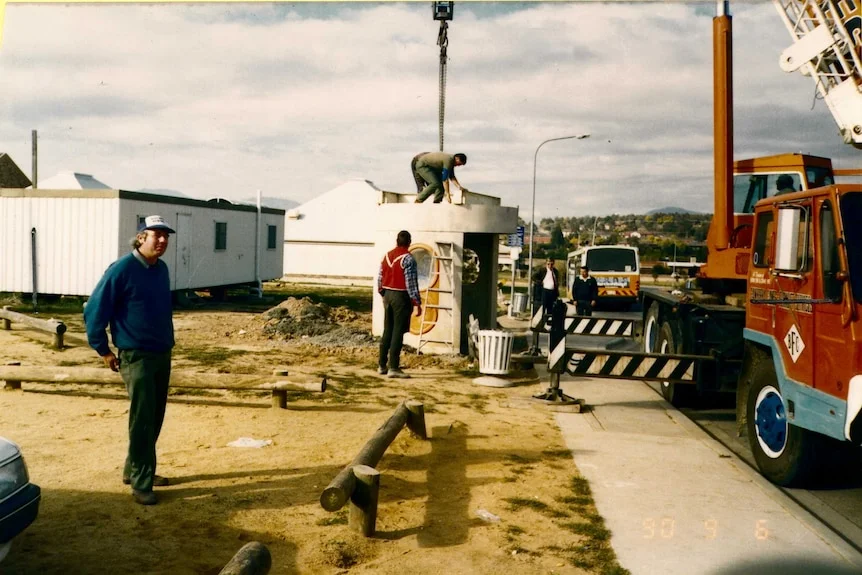
Canberra's unique concrete bus shelters have officially joined the ranks of the ACT Heritage Register, acknowledging their historical and architectural importance. Designed by architect Clem Cummings in 1974 and installed a year later, these shelters are now celebrated for their role in shaping the city's public transport landscape. The decision to recognize these structures is not just a nod to their aesthetic but also an acknowledgment of their symbolic value to the community.
Historical Context and Design
Initially, around 480 of these shelters were erected throughout Canberra during a period of significant expansion in its public transport system. This was a transformative time for the city, as it was seeking to connect diverse suburbs with the growing urban core. The shelters feature a distinctive cream and orange design, which embodies the architectural trends of the 1970s, often characterized by bold colors and simple geometric forms. The heritage nomination, led by the Cummings family, was driven by a desire to formally recognize their cultural importance to the community, chasing more than just preservation but also a revival of interest in a crucial aspect of Canberra’s historical narrative.
A Symbols of Community Heritage
Today, over 400 of these shelters remain in active use, serving as a visible reminder of Canberra's development. They’re not merely functional; they are emblematic of a time when public transport options were expanding, and urban planning was focusing on accessibility. ACT Heritage Council chair Catherine Skippington noted their evolution from “concrete monstrosities,” a tag some critics used in the late 1970s, to beloved community icons. This shift is significant. What was once viewed as a design failure has matured into architecture with deep social resonance. Skippington remarked, “They’ve certainly become a really important icon and loved part of Canberra now.” This transformation highlights not just a change in perception but a deeper understanding of how architectural features can represent collective identity.
A Legacy to Celebrate
The Cummings family's endeavor to secure the bus shelters’ heritage status reflects a profound pride in their grandfather's legacy. Nicholas Eccles, Clem Cummings's grandson, expressed: “It’s an extraordinary work and shaped Canberra.” This sentiment extends beyond family pride; it reflects a communal bond that many locals share with these structures. They aren’t just relics of the past but narrative threads woven into the fabric of Canberra's urban identity. This connection to heritage is vital in a rapidly modernizing city where older architectural styles often disappear beneath the weight of contemporary construction.
Continuing Significance
Despite their newfound heritage status, Skippington assured that the use and maintenance of the shelters would continue as before. “We expect that collection to be continued to be maintained by Transport Canberra and used as it is,” she stated, emphasizing their role as functional community assets. There's a practical component to their heritage status that many may overlook. The shelters are relocatable, allowing them to be adapted to shifting population needs and urban dynamics. This aspect ensures they remain relevant, reflecting modern transport demands while being grounded in history.
The recognition of Canberra's bus shelters highlights their lasting impact on urban design and public transport infrastructure. It serves as a powerful reminder that architecture is often more than bricks and mortar; it is an interplay of function, aesthetics, and social narrative. As these shelters continue to stand the test of time, they embody a unique blend of utility and design that resonates deeply with the Canberra community.
Cultural Impact and Future Outlook
The presence of the shelters has even inspired local merchandise, a testament to their iconic status within the city. Items bearing their likeness are becoming more popular, from T-shirts to mugs, serving as everyday reminders of Canberra’s architectural narrative. As Eccles aptly put it, “The notoriety of them is far beyond anything I think any of us might have expected.” This legacy isn’t just about nostalgia; it ensures that future generations will continue to appreciate not just the architecture but also the story of community and transport that these structures embody. If you're working in this space, consider this: protecting and celebrating local heritage doesn’t just honor the past; it enriches present and future dialogues about urban planning and community identity. Thought-provoking, isn’t it? The shelters have indeed become a cultural linchpin for Canberra, embodying a mix of pride and purpose that many modern structures lack.