Thousands of bogong moths gathering on a mountain summit is a striking sight. The more consequential story is what that surge could mean for the critically endangered mountain pygmy possum—and how little researchers still know about the moths’ journey.
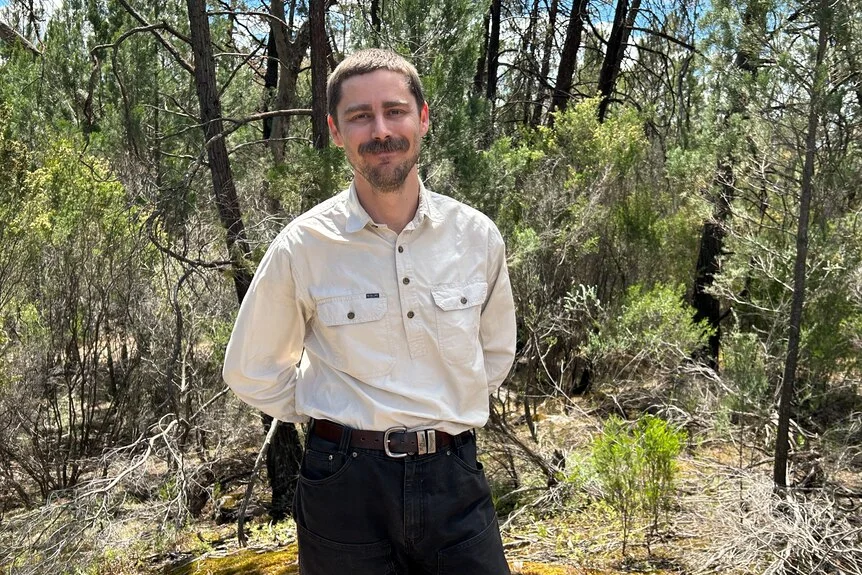
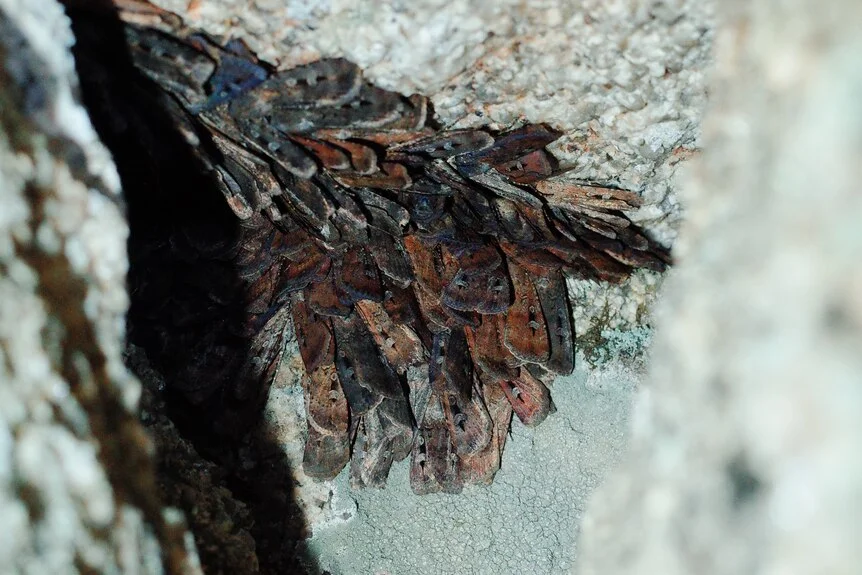
Kale Munro was on the 1,750-metre summit of Mount Wills in Victoria’s High Country when a few moths appeared near dusk. As the light faded, handfuls became hundreds, then thousands. By morning, granite crevices were packed with moths.
> “I was really treated to this site of just thousands of moths tiling the walls,” he said. “It was a pretty incredible experience.”
Kale Munro captured the footage of swarming bogong moths while exploring the Victorian Alps near Omeo. (ABC News: Philippe Perez)
Munro has followed bogong moths as a citizen scientist for years. Their numbers have fallen since the 1980s, with severe population crashes in 2017 and 2019, so this season’s mass arrival was an unusual sight. The moths travel more than 1,000 kilometres each spring from breeding grounds in Queensland, New South Wales and western Victoria to the Australian Alps. They shelter in mountain caves through summer, then return to breed over winter; their larvae feed on plant roots underground.
Bogong moths have been seen tiling up in rock crevices as they settle in for summer. (Supplied: Kale Munro)
The moths are a preferred food for mountain pygmy possums when the animals wake from hibernation. That makes the current influx encouraging, but it doesn’t settle the question of whether either species is recovering.
Zoos Victoria’s “Moth Tracker,” launched in 2019, has recorded more than 14,000 sightings this year. The previous annual high was about 2,000, according to the zoo’s population and breeding specialist, Dr Marissa Parrott. She said recent wet seasons may have helped moth numbers reach a critical mass. The earlier crashes were linked to severe drought in lowland breeding and feeding areas, which left larvae without enough nutrients from plants.
Bogong moths remain endangered, Parrott said, with warming alpine conditions and drought among the ongoing threats.
Dr Marissa Parrott says the bogong moth still remains endangered, despite growth in numbers. (Supplied: Zoos Victoria)
The possums’ recent history shows why a better food supply matters. In monitored Victorian populations, more than half of female mountain pygmy possums lost their entire litters in previous years, Parrott said. In the worst affected population, the figure was about 95 per cent.
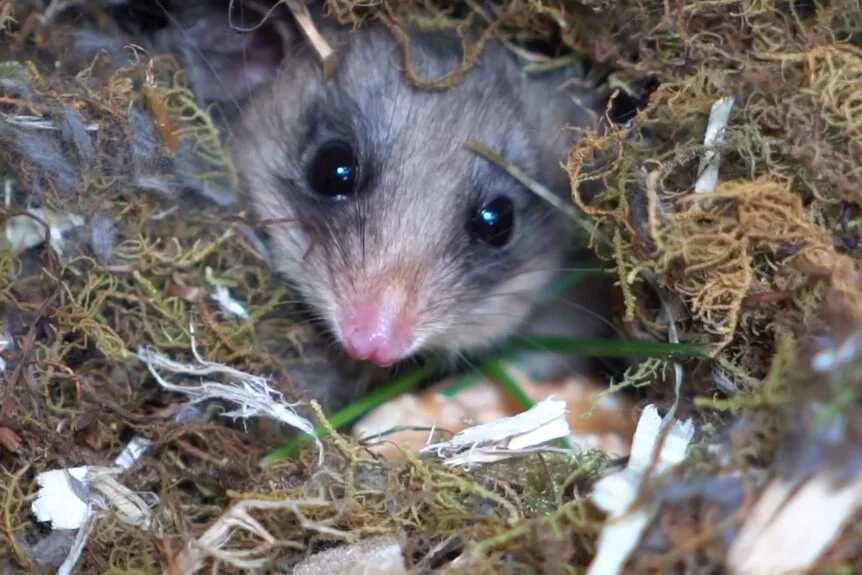
It is hoped that the large numbers of bogong moths will significantly feed endangered mountain pygmy possums, who live in the Victorian Alps. (Supplied: Zoos Victoria)
More sightings, better questions
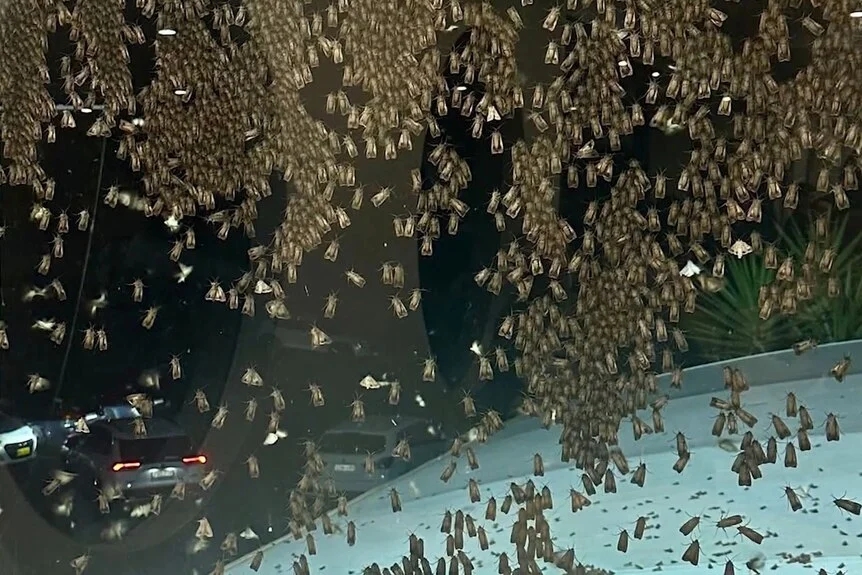
The surge is giving researchers a richer set of observations, but the moths’ behaviour remains puzzling. Scientists don’t yet know why they choose particular migration routes or caves, or what draws them into swirling groups known as a “maelstrom.” Parrott suggested light, heat or water might play a part; moths have been seen drinking during these gatherings.
Western Sydney University PhD student Connor Marsland, who has studied bogong migration since 2024, noticed Munro’s Mount Wills footage. He uses submissions from platforms including iNaturalist and Zoos Victoria’s Moth Tracker to study where moths gather and how they spend the summer in dormancy, a process called aestivation.
Connor Marsland says he and many other researchers are excited by the large amount of bogong moth data collected this year. (ABC News: Monish Rand)
Citizen reports can also help researchers find caves and choose sites to monitor in future years—work that would be difficult for research teams to do alone. Marsland called Munro’s footage spectacular.
> “You can't look anywhere without them being there when that happens.”
WSU entomologist Dr Eleanor Drinkwater said public volunteers had contributed the equivalent of 12 years’ worth of nights monitoring insects in less than a year. That volume is valuable. It still leaves the central ecological questions open, but it gives researchers far more observations to work with.
People have reported huge numbers of bogong moths via tracking sites like Zoos Victoria's Moth Tracker. (Supplied: Zoos Victoria)