Local Rangers Lead Coral Research After Predictive Technology Falls Short
Recent research focused on the coral reefs off Groote Eylandt has brought to light a worrying gap in predictive modeling technologies, which failed to forecast a significant bleaching event in 2024. This work, led by the Anindilyakwa Land and Sea Rangers in collaboration with the University of Technology Sydney (UTS), marks a pioneering step in directly monitoring reef health and documenting the local ecosystem. Without effective predictive models, it becomes ever more challenging to mitigate the impact of environmental changes on these vital marine environments.
Coral Bleaching and Technology's Shortcomings
The Anindilyakwa Rangers first observed significant coral discoloration in 2024, raising alarms about what they suspected was widespread bleaching. This marked an important moment because it highlighted not only the immediate environmental crisis but also the limitations of existing scientific tools. Concern initiated collaboration with UTS researchers, culminating in a thorough mapping of the underwater ecosystem. The partnership illustrates a growing recognition of the need to integrate local knowledge with scientific inquiry.
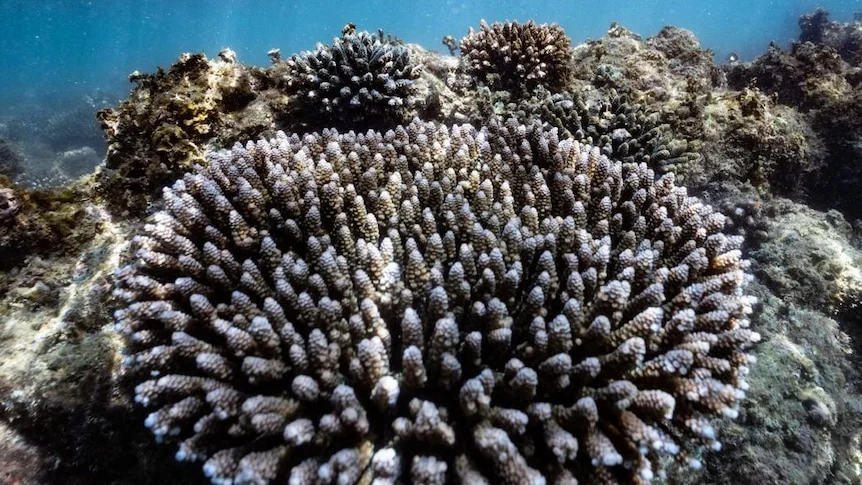
Emma Camp, a UTS researcher, pointed out that while global models are typically reliable for predicting bleaching, they failed in this specific case. "We have global models that help us predict when reefs are going to bleach, but those models didn't predict we would have had bleaching in Groote Eylandt at that time," she said. The discrepancies between model predictions and actual events underscore the critical need for more on-the-ground monitoring and mapping. Predictive models that can't adapt to local conditions are of limited use. The urgency of this need can't be ignored—without effective monitoring, we could miss critical warnings about reef health.
Challenges in Conducting Reef Research
The project faced unique challenges due to the marine environment of Northern Territory, characterized by its biodiversity, which includes both crocodiles and jellyfish. The region's complex ecology presents significant hurdles for researchers who must navigate not just the physical landscape but also the multitude of life forms that thrive there. Kirsten Eden from the Anindilyakwa Land Council highlighted these obstacles, cautioning, "The Northern Territory is filled with crocodiles, stingers, and the weather can become quite unfavorable at times." Conducting research amidst such dangers requires not only skill but also extensive preparation.
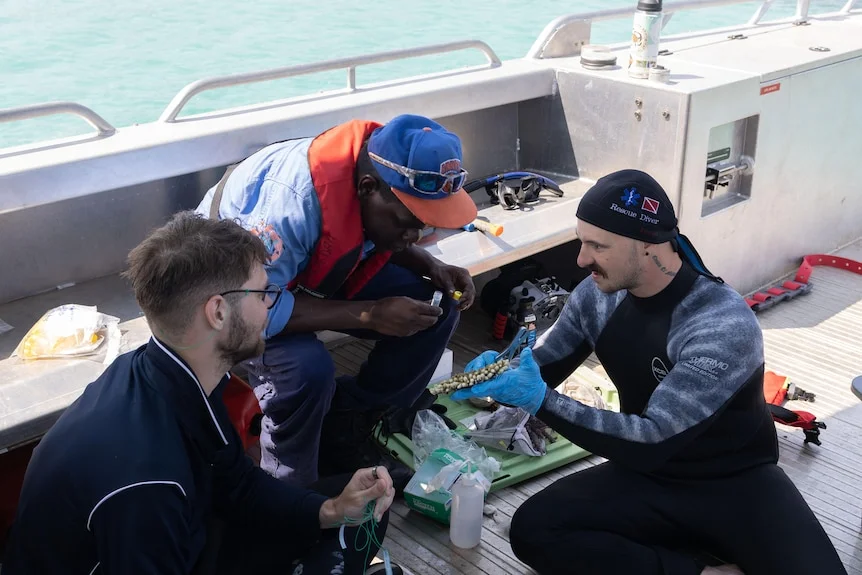
It's not just the wildlife that's a concern; the region's weather patterns can also hinder progress. Cyclones are a recurring threat, and their impact reverberates beyond immediate destruction. Dr. Camp noted that a recent cyclone caused damages that not only affected local infrastructure but also compromised the reef's structural integrity due to intense surf that can shatter reef formations. Such environmental stressors compound the challenges faced by researchers, making sustainable monitoring a multi-faceted issue.
New Discoveries and Future Research
Significantly, the mapping project revealed previously unrecognized coral species, and efforts are underway to confirm these findings as new records. "I'm almost certain there's a few that haven't been found before," said Eden, emphasizing the importance of this research for local Indigenous communities. This discovery could have implications that extend beyond scholarly interest—it may provide new avenues for conservation efforts and cultural identity.
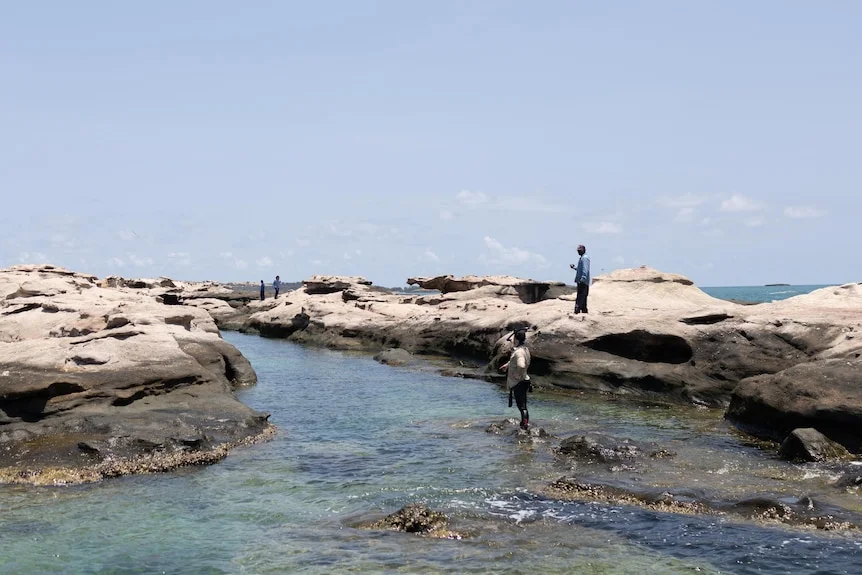
This wealth of new information not only enhances understanding of marine biodiversity but also enriches traditional knowledge management, allowing Indigenous groups to incorporate their language into the scientific narrative of these corals. That's significant because it fosters a relationship between scientific inquiry and cultural heritage, bridging gaps that often exist in environmental studies.
Implications for the Future
Looking ahead, ongoing mapping and adaptive research will be essential to better understand and respond to coral bleaching events and other environmental stressors that threaten marine ecosystems. This approach is key, as it allows for a more proactive stance rather than a reactive one—an important shift in how we address ecological crises. If you're working in this space, recognize that significant emphasis will likely need to be placed on locally-driven research initiatives, especially given the glaring gaps evidenced by predictive failures.
This isn’t just about science. It’s about engagement and empowerment of local communities, who often know their environments best. Understanding this connection will be vital moving forward. With proper research frameworks, we could not only react to what’s already happening but anticipate future changes, crafting tailored strategies to conserve these precious ecosystems.