Record High Ocean Temperatures Raise Environmental Alarm
The latest data reveals that ocean temperatures have surged to an alarming 21.1 degrees Celsius, a record that exceeds the previous high established in March 2024. This increase is not solely a product of natural variability; it reflects a potent combination of a powerful natural El Niño effect and human-induced climate change, raising significant concerns for marine ecosystems and weather patterns. As our planet warms, the stakes get higher, and the science tells a clear story: the oceans, often viewed as a buffer against climate extremes, are now sounding the alarm about our changing climate.
Understanding the Current State of Ocean Temperatures
This recent spike in sea surface temperature marks a concerning trend on a scale that's hard to ignore. According to Samantha Burgess, climate lead at Copernicus, the record-high readings not only signify a shift in our climate conditions but also highlight immense pressures on the ocean. Burgess stated, "This is yet another sign of our climate system under strain." This perspective suggests that we're witnessing more than a natural anomaly; we’re facing a critical juncture where the stability of marine ecosystems is at stake.
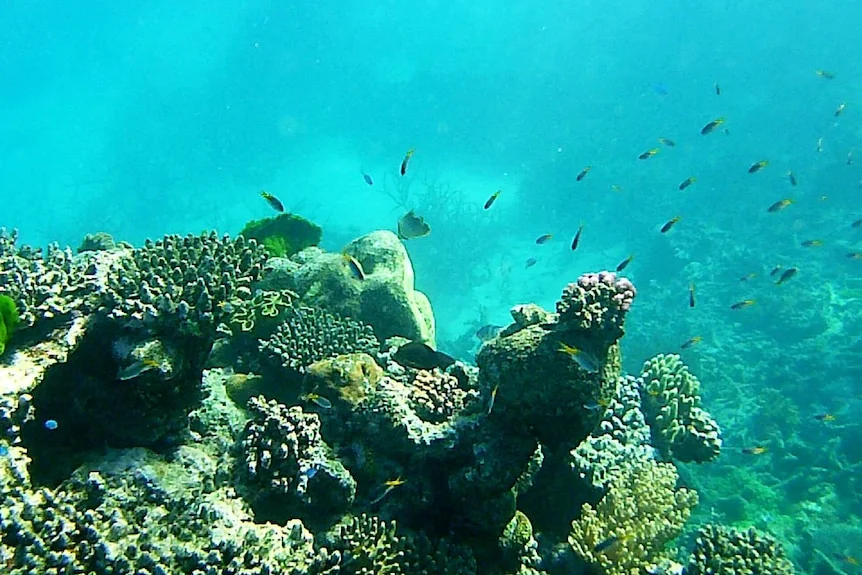
Typically, ocean temperatures peak in March or April, particularly due to the vast southern hemisphere's influence. However, this year's highest temperatures were recorded in August, suggesting prolonged heating trends. This is more significant than it looks; the shift in the seasonal peak points to longer-lasting impacts rather than a brief fluctuation. As the months progress, future temperatures are expected to reach even greater extremes. Such unpredictable seasonal patterns place the ocean under further strain and threaten the delicate balance of marine life, which could have cascading effects on entire ecosystems.
Expert Concerns: A Deepening Crisis
Notable figures in ocean science, like former NOAA Administrator Jane Lubchenco, express grave concern about these elevated temperatures. Characterizing the situation as "very troubling," she warns that such warming can disrupt weather cycles, endanger marine biodiversity, and threaten food security and economic stability. This sentiment is echoed widely within the scientific community, where the implications of rising ocean temperatures stretch far beyond just environmental issues. As marine life becomes less stable, the fisheries that many communities depend on could face dire consequences.
"A warmer ocean is not our friend."
Consequences of Elevated Ocean Temperatures
The impact of warming oceans is multifaceted. Increased temperatures lead to higher acidity levels in the sea, reducing oxygen content and adversely affecting fisheries and marine food webs. Burgess emphasized that rising ocean temperatures also alter ocean currents and storm patterns, intensifying rain and amplifying storm surges. These changes don’t just affect marine creatures; they pose risks to human populations living near coastlines who could face more severe flooding and unpredictable weather.
Furthermore, warmer oceans make heatwaves more severe. Without the cooling effects typically provided by sea breezes, hotter weather conditions persist overnight. This dynamic can lead to an increase in heat-related health issues in the population. Burgess pointed out that in Europe this summer, the warm waters exacerbated the impact of heat, notably contributing to uncomfortable temperatures during the nighttime. If you’ve ever tossed and turned in bed during a hot night, you know how disruptive this can be. (And this is the part most people overlook—it’s not just about the daytime heat; it’s what happens after the sun sets that can also affect daily life.)
As the current El Niño continues to strengthen, its probability of reaching peak intensity in the next few months raises further alarm. This natural warming phenomenon, while temporary, currently contributes significantly to the extreme heat observed in ocean waters, but it also underscores a troubling interplay with the long-term effects of climate change. If you're working in this space, these temporary spikes aren't just anomalies; they can set off longer patterns that have lasting consequences for both marine ecosystems and human populations.
Long-term climate change, predominantly attributed to fossil fuel emissions, has increased ocean temperatures by roughly 0.8 degrees Celsius. As the world grapples with the implications of these changes, the focus remains on how to mitigate further impacts on our oceans and climate systems. Policies that fail to address both immediate and long-term temperature rises risk compounding existing problems rather than providing solutions.

Future Outlook: What’s Next?
The implications of rising ocean temperatures extend to multiple sectors, from fisheries to tourism, and understanding these shifts will require multidisciplinary collaboration. As marine scientists work to predict long-term trends, other stakeholders must also take an active role. This includes governments, industries, and communities directly affected by changes in ocean health and weather patterns. The growing urgency for collaborative climate action can’t be overstated, as decisions made today will affect not just our generation but countless others that follow.
Ultimately, the trend in ocean temperatures is a clarion call for immediate action. Ignoring these rising numbers isn’t an option if we hope to preserve marine biodiversity and, by extension, the livelihoods intertwined with it. Without a concerted global effort to address climate change, we might find ourselves confronting realities that are far more challenging than those we've already begun to face. In the end, what might seem like mere numbers on a chart could represent a tipping point for both marine life and human existence alike.