Brisbane’s Parking Transformation: The Shift to App-Only Payments
Brisbane City Council has made strides toward a digital-first approach in parking, with over 25% of metered spaces now requiring payment exclusively through mobile apps. This trend marks Brisbane as the only major city in Australia to adopt a predominantly app-based payment system. While observers note the operational efficiencies such systems can bring, the broader societal implications deserve scrutiny.
Analyzing the Transition to App-Only Parking
Recent council data reveals that among the approximately 9,000 paid parking spaces in the city, 2,483 are now categorized as app-only. While the transition aims to streamline parking payments, it has ignited a debate about accessibility, particularly for those not comfortable with technology. The focus here isn't just on convenience; it’s about who gets left behind in this digital shift.
This move to app-only payments aligns with a global trend in urban areas where cities are increasingly looking for efficient ways to manage parking. Research shows that digital payment systems can enhance revenue collection and reduce the costs associated with maintaining parking meters. However, Brisbane’s approach could marginalize a significant portion of its population who either lack the requisite skills or resources. It's a two-edged sword; efficiency at the potential cost of inclusion.
Rising Concerns Among the Community
Community advocates are expressing concerns that the shift to app-only parking could exacerbate digital divides, particularly affecting older adults and those from lower-income backgrounds. Elissa Ferguson, who lives near Wesley Hospital in Auchenflower, has witnessed firsthand the confusion faced by visitors struggling to navigate this new system. "I often encounter people who are clearly bewildered by the app-only requirement," she states, recounting an experience with an elderly woman who needed assistance after forgetting her password to access the app. This scenario illustrates a real issue: the expectation that everyone will adapt to a digital mode of operation can overlook the practical realities faced by many.
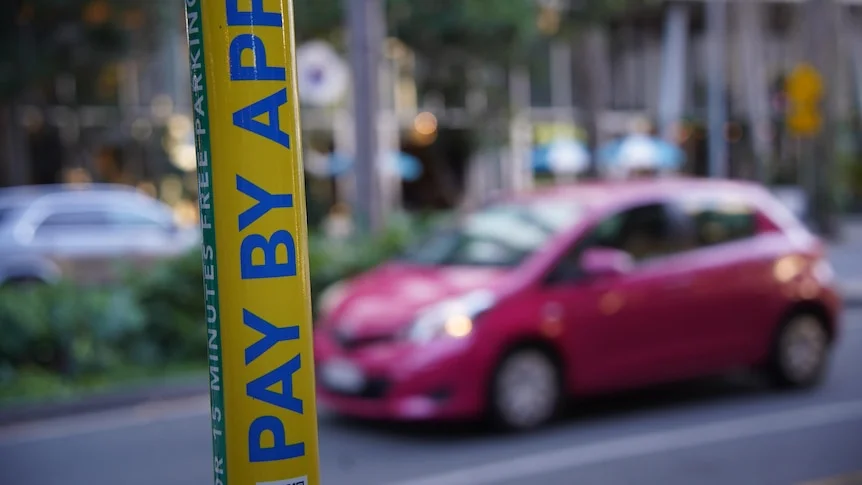
The sentiment is echoed by Margaret McCormack, a retiree who had to navigate the digital payment process in Newstead while running late for an appointment. Frustrated by a QR code that prompted her to download an app, she remarked, "By that stage, I'm browned off and I'm thinking I don't care if I get a parking ticket, I'm going.” Her experience highlights a growing trend of frustration among users who feel pressured to adapt to new systems that they either don’t fully understand or simply don't want to engage with. (And this is the part most people overlook.)
Official Stance on Meters
Despite the growing prevalence of app-only spaces, a spokesperson for the Brisbane City Council reassured residents that there are no plans to eliminate all parking meters. They will maintain physical parking meters alongside partnerships with two mobile payment providers, CellOPark and PayStay. The spokesperson added that payments could be settled over the phone or online, providing alternative options for users. However, these assurances come off as somewhat hollow to community members who fear the gradual phasing out of traditional parking solutions.
This dual approach suggests that the Council recognizes the backlash while attempting to straddle both sides of the technological divide. Nevertheless, there are real concerns about whether these “alternative options” will be readily accessible or publicized effectively. Most people might not be aware that they can still use traditional meters alongside these newer solutions.
Community Voices Against Digital-Only Solutions
Greens Councillor Seal Chong Wah, representing the Paddington Ward, stated that the introduction of parking apps could alienate vulnerable groups, including the elderly and low-income individuals. "There’s no reason to remove parking meters, other than cutting costs at the expense of accessibility," she pointed out in a recent statement. This perspective raises a fundamental question: is financial efficiency being prioritized over community care?
Patricia Sparrow, CEO of the Council on the Ageing Australia, emphasized that many older individuals are reluctant to engage with online platforms. “We understand that things are changing and going digital, but it can't be digital only," Sparrow stressed. "Councils need to serve their resident base and ensure everyone can access essential services." Many critics, like Sparrow, see the shift toward digital as a reflection of broader societal trends that favor tech-savvy groups, sidelining those with legitimate barriers to access. It’s a societal responsibility to cultivate inclusivity in its policies.
Implications and Future Outlook
As Brisbane moves further into the realm of app-centric parking solutions, it will need to balance operational efficiencies with the real-world needs of its residents. The transition raises fundamental questions about accessibility, security, and the implications for those compelled to adapt to a rapidly digitalizing environment. The drive toward digital solutions, while appealing for its convenience, must consider the diverse capabilities of the city's populace.
If you're working in this space, you need to recognize that changes like these aren’t just technical shifts; they can also act as markers of societal values. Many cities echo this challenge, often finding themselves caught between innovation and the necessity to remain inclusive. As this situation unfolds, it’ll be pivotal to watch how Brisbane manages its dual approach and responds to community concerns. Will this initiative truly reflect the needs of all citizens, or merely cater to the digitally adept? The answers could shape not only Brisbane’s future but serve as a case study for urban governance across the globe.