Conservation Challenges for Little Penguins on Middle Island: A Call to Action
Sep 24, 2026
607 views
Declining Wildlife Protection Efforts
Fears are mounting for the survival of the little penguin colony on Middle Island, situated just off the coast of Warrnambool, Victoria. For two decades, these penguins have thrived thanks to an unconventional yet effective method—using Maremma dogs to ward off natural predators like foxes. This approach, garnering recognition in the children's film *Oddball*, is a testament to community-driven conservation efforts. However, a recent downturn in the program has raised serious questions about the future of both the penguins and the guardians who have tirelessly supported them. Once, during the penguin breeding season, these dogs lived on the island, providing constant protection. Yet now, with safety concerns about erosion hazards and perilous conditions surrounding the island, the program is faltering. Volunteers, who once crossed a shallow channel to attend to the dogs and monitor the penguin population, find themselves unable to reach the island safely. Dave Williams, a co-founder of the initiative, voices his anxiety: “The colony is now at risk of extinction again.” This shift from direct involvement threatens the established safeguarding of these vulnerable birds.Lost Connections and Mystery Numbers
The absence of regular visits has shrouded the penguin population in uncertainty. While previous records showed a recovery from fewer than ten birds to approximately 200 by 2016, the current count remains speculative. Mr. Williams underscores this lack of visibility: “If you haven’t got eyes on the ground, you’ve got no idea what’s happening out there.” Without a structured monitoring system, conservationists can't accurately gauge the health of the colony. The last true estimate, recorded during the 2019-2020 breeding season, revealed escalating concerns, especially as extreme weather events and infrastructure decay hinder data collection efforts. Compounding these issues, the wooden boardwalk—essential for safe navigation and protecting nesting sites—has deteriorated, further isolating the penguins. Reports indicate that no eggs or chicks have been recorded since the 2018-2019 season, marking a troubling trend in what was once a celebrated recovery story.Community and Future Prospects
The city's strategy for the guardian dog program appears uncertain. While the Maremmas are still active, their absence from the island raises doubts about their effectiveness as deterrents against potential threats from foxes. Warrnambool City Council’s Justin Harzmeyer mentions the prospects of replacing aging dogs with new ones, stating, “They can only be trained on the island.” The future of this unique protective effort hinges not only on the dogs but also on revitalizing community support and engagement. As Harzmeyer notes, replicating this method in other regions, such as South Africa, shows promise but underscores the need for local commitment. Maintaining ecological health and wildlife diversity requires persistent action. The community, which rallied around this project for years, must now assess whether they can adapt strategies to safeguard both the Maremmas and the cherished penguins they protect. The legacy of this initiative will not only reflect its success but also illustrate the importance of informed and sustainable conservation in the face of changing circumstances.Environmental Concerns for Middle Island's Wildlife
The delicate ecosystem of Middle Island faces a range of environmental threats, each compoundingly dangerous for the local wildlife. Dr. Patricia Corbett expresses a sense of cautious optimism regarding the rough sea conditions that may deter foxes from invading the habitat, yet this is just one piece of a larger puzzle. Although the last recorded fox attack occurred in 2019, the absence of ongoing monitoring raises concerns. Little penguins, which inhabit the island, have been found with concerning levels of pollutants in their feathers. Studies indicate traces of aluminum and titanium, while resident seals grapple with alarming PFAS contamination. Dr. Corbett suspects that without testing, the penguin colony could similarly suffer from these pollutants. It’s not merely a matter of contamination; the implications of climate change also loom large. Dr. Corbett highlights how rising temperatures can stress penguins, particularly when heatwaves persist for over five days, potentially disrupting their breeding cycles.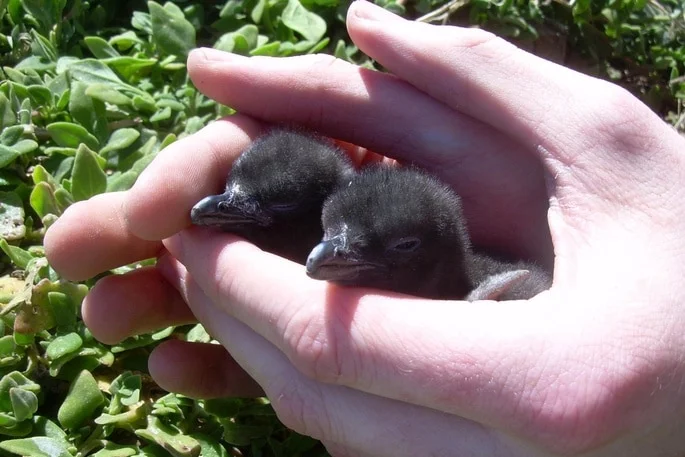 The need for urgent action is clear, especially considering the impending arrival of migratory shearwaters. Dr. Corbett notes that these birds could introduce the H5 strain of bird flu to the penguins, highlighting the grim reality that a significant mortality event could devastate the local population, putting the entire ecosystem at risk.
Technological Advancements in Wildlife Monitoring
To tackle these ongoing threats, the Warrnambool Coastcare Landcare Network has taken steps to improve surveillance. They've invested in camera technology to provide data during the breeding season. Dave Williams, now with the Eastern Maar Aboriginal Corporation, stresses that while new technologies such as drones can offer valuable insights, they can’t replace direct observation. Despite the hopes pinned on these new tools, there's a nagging uncertainty about the penguins’ health. Williams acknowledges that although recent drone flights found only a few dead birds, there's no definitive proof of bird flu without widespread mortality indicators.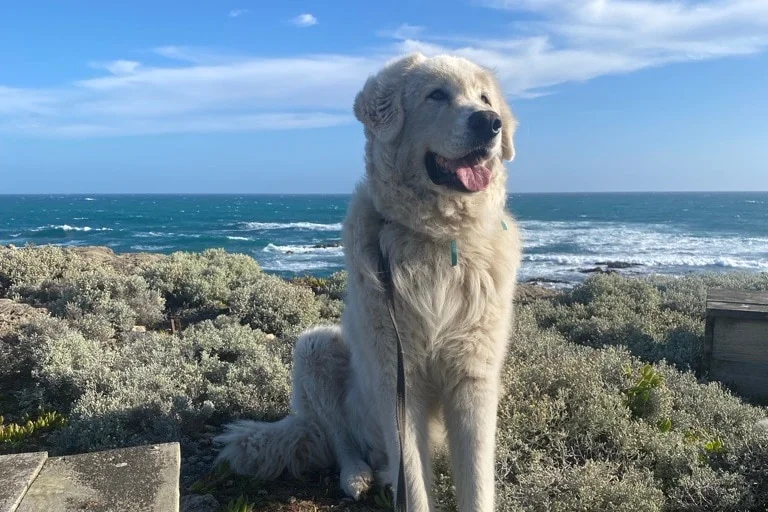 It’s reassuring that maremma dogs have effectively deterred fox attacks in the past, with no incidents while they’ve been on duty. However, Williams warns that foxes are capable swimmers and may return if they sense a food source, leading to an uncertain future.