Katherine Courthouse Fence Plan Raises Safety Concerns for Domestic Violence Survivors
Security proposal raises safety concerns
A proposed fence at Katherine Courthouse is intended to deter after-hours vandalism, but domestic violence advocates say it could make the grounds less safe for people facing threats. The dispute turns on a practical design question: how to protect the building without making it harder for people to move away from danger. A fence can shape how people enter and leave, so its effect on safety depends on more than whether its gate is open during court hours.
The NT Local Court administration has initiated plans for a looped, pool-style fence around the grounds. Principal registrar Sarah Hannon told court users that the proposal responds to security incidents, including smashed windows and doors. She said the design aims to avoid an imposing appearance, and that the gate would remain open during court hours. The letter did not specify the fence’s height, leaving some of its physical impact unclear.
The work also includes removing a large rain tree, which has reportedly dropped sizeable branches. The NT Attorney-General’s Department said detailed design work is continuing, with stakeholder feedback on access, movement and safety under consideration. The project will be funded from the court’s existing budget. Those are the stated aims and constraints; the unresolved question is how the finished layout will work for people gathered outside the building.
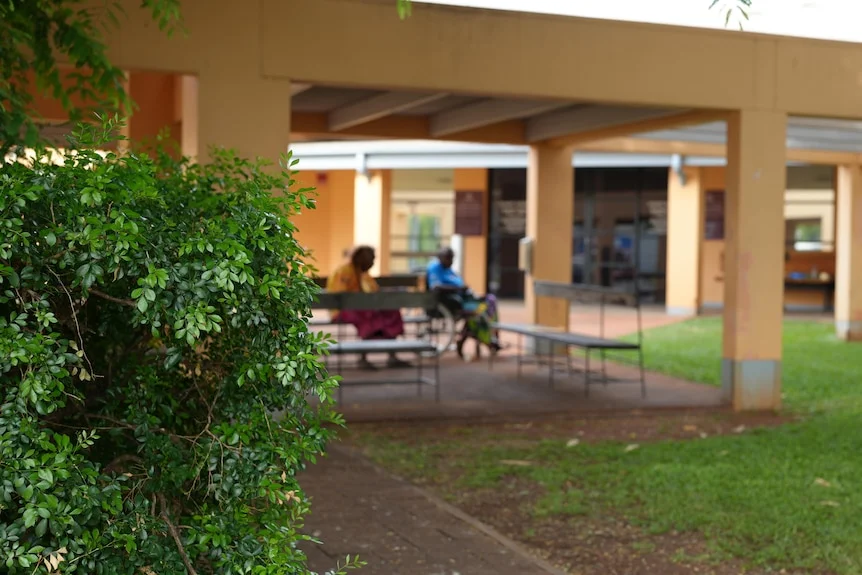
The area has served as a place for lawyers to meet with their clients and for families to grieve during inquests. (ABC News: James Elton)
Advocates question escape routes
Katherine Women’s Information and Legal Service (KWILS) says an open gate may not address the risks created by enclosing the grounds. Advocacy leader Brianna Bell argues the fence could funnel people toward a single exit during a confrontation. The concern is about the choices available in a fast-moving situation: an entrance that is open can still become a bottleneck if people feel they need to leave quickly.

Brianna Bell says victim-survivors could find themselves "in a confined space with someone who has wielded a weapon at you". (ABC News: James Elton)
Bell said people attending court can face intimidation or threats from accused people and their extended families. If tensions turn physical, she said, a fence could narrow the available ways to get clear. She also pointed out that metal detectors are inside the courthouse, leaving the outdoor grounds without the same screening. The distinction matters: the fence is being considered as protection for the property, while the outdoor space is also where people may encounter one another before entering the building.
“You could be in a confined space with someone who has wielded a weapon at you and you can't just run in any direction, you need to run to the gate,” Bell said. She also questioned whether a fence without spikes would deter property damage at night. That skepticism goes to the proposal’s central trade-off: if the barrier does little to prevent vandalism, its costs to access and movement would be harder to justify.
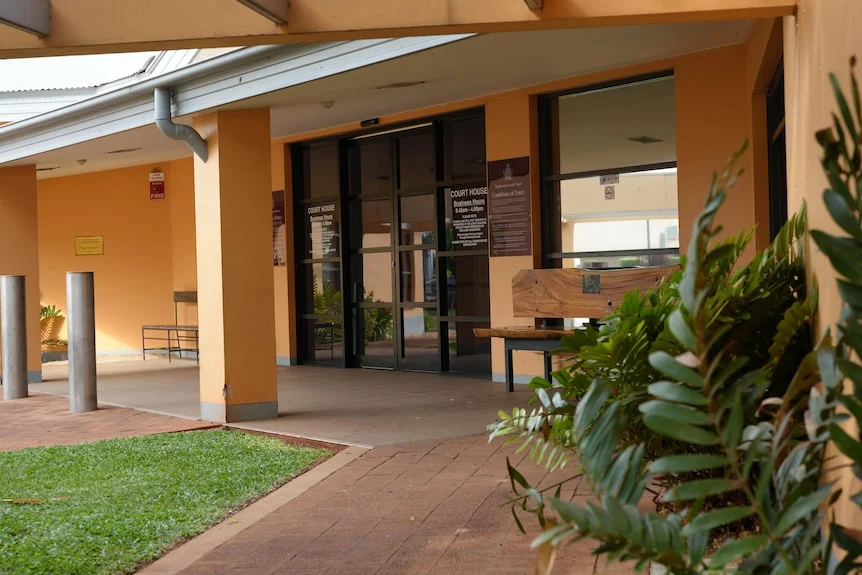
The court has metal detectors to scan anyone entering the building but the fenced in area will not. (ABC News: James Elton)
The grounds have a particular role in Katherine. Unlike the courthouses in Darwin and Alice Springs, the building sits behind a shaded outdoor waiting area with seating. Witnesses, victims, accused people and families gather there; lawyers also use it to meet clients, and families have grieved there during coronial inquests. It is not simply an approach to the courthouse. It's a place where people wait, speak privately and spend time during difficult proceedings.
That everyday use changes how the fence should be assessed. People arriving for court may need to meet a lawyer, wait with relatives or take space from others; a layout that narrows movement could affect those ordinary needs as well as emergency escape. And this is the part most people overlook: the grounds’ value comes partly from being open enough to serve different people at once.
Refurbishment remains in view
KWILS called it disappointing that the current works centre on fencing and tree removal rather than safety measures such as additional entrances and exits. The dispute follows earlier criticism of the courthouse: sector experts called for urgent renovations to improve safety for victim-survivors. That history places the fence proposal in a broader discussion about how the building and its grounds support people attending court.
Susan Dugdale and Associates, the architecture firm commissioned by the previous Labor government, said it submitted detailed plans for a major refurbishment to the NT government in December 2024. The proposed design focused on making the courthouse safer and more welcoming for people experiencing domestic violence. In January, Attorney-General Marie-Clare Boothby said refurbishment work was ongoing. The available information doesn’t establish how that work relates to the fence plans, but the two proposals make the question of design priorities difficult to avoid.

A large rain tree outside the court will be cut down as it has reportedly been dropping "sizeable" branches. (ABC News: James Elton)
Design details will shape the outcome
The department says stakeholder views on movement and safety are part of the fence’s ongoing design process. The final arrangement of gates, paths and waiting areas will matter as much as the fence’s appearance, because those details determine whether people can move freely through the grounds. If you're working in this space, the practical test is whether the design can address property damage while still giving people choices about where to wait and how to leave.
This is more significant than it looks. The proposal sits at the intersection of security, access and the court’s role as a place people must visit under pressure. A fence may deter some after-hours damage, but the available details do not yet show how it will affect those using the grounds during the day. The trade-off is still being designed.