Australian Ecoganic Bananas Begin Regular Shipments to Japan
Nov 04, 2026
903 views
A farming story becomes part of the product
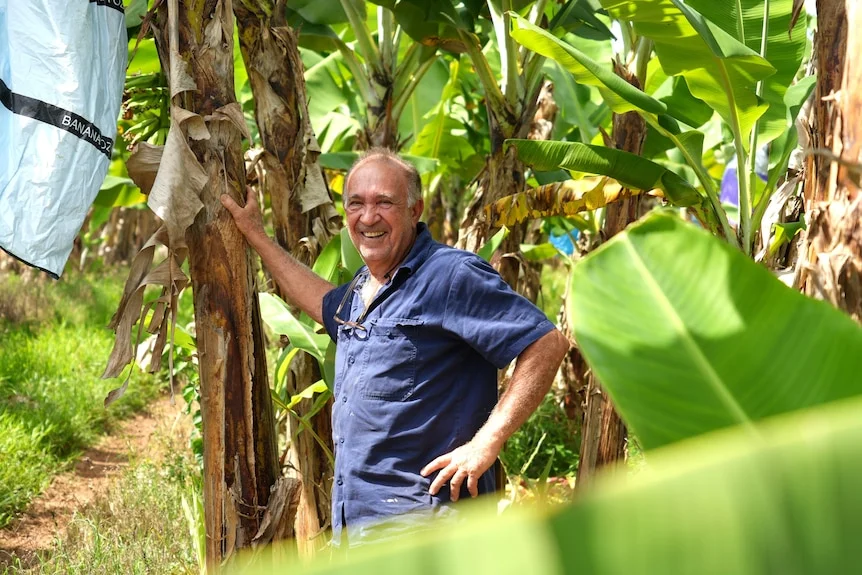
Australia exports less than 0.1 per cent of its bananas, according to the Australian Banana Growers Council. The first regular shipments of Ecoganic bananas to Japan are therefore a small trade by volume. Their significance lies in what they test: whether a farming method, explained clearly to buyers, can help a familiar fruit stand out in a market where price and availability are only part of the decision. The bananas arrive with red wax on their tips, a visible marker that helps distinguish them from standard fruit. That detail follows months of trials and market testing, suggesting the export offer has been shaped for the destination rather than treated as a simple extension of domestic sales. Innisfail farmers Frank and Dianne Sciacca pioneered the accredited Ecoganic system in Far North Queensland about 20 years ago. It relies on natural ecosystems and minimal inputs, giving the product a production story that can travel with it. For Frank Sciacca, that explanation has helped open the Japanese market. He says Japanese consumers want to understand how food is presented and produced, and what those choices mean. The story gives the bananas a point of difference alongside produce from other Asian countries, though a point of difference only matters if buyers also like the fruit and can find it consistently. Japanese importer Tomoki Tokuda, of Pacific Coast Asia Company, says the target customers are middle and higher income earners, as well as international visitors. “They care more about the farming story, taste and quality than just the price,” he said. Tokuda also says Japanese consumers are interested in distinctive farming methods and expect strong taste and quality. That combination sets a demanding standard: the farming story may earn a shopper’s attention, but taste and quality still have to support a repeat purchase.Early sales, ambitious targets
Tokuda began bringing in 1,200 kilograms every fortnight on October 23. The bananas are now sold in two Japanese supermarkets—one in the Kanto region and one in Hokkaido—and served at 60 restaurants around the country. That spread gives the product more than one route to customers, but it remains a limited footprint against the scale of a national market. Tokuda describes the response so far as excellent, while acknowledging that the market is at an early stage and the sales network is still growing. Early enthusiasm is encouraging, but it doesn’t yet show whether demand will hold once the novelty of a new import wears off. Restaurants can introduce the fruit to diners, while supermarkets put it in front of shoppers making their own choices; both channels will help reveal whether the proposition works beyond the first wave of interest. The next target is 3,000 kilograms per fortnight within three years. That’s more than double the current volume. It’s an ambitious goal, and the supply question is already visible: Sciacca says the handful of producers currently involved wouldn’t be enough if Japanese demand expands as he expects. More buyers would create an opportunity, but growth would require more growers able to meet the same production and certification expectations. This is more significant than it looks: a successful export story depends on the farm network behind the brand, not just the importer’s ability to find shelf space.