How Two Teachers Helped Rose Taylor Find Stability After Foster Care
A single teacher changed the course of Rose Taylor’s life
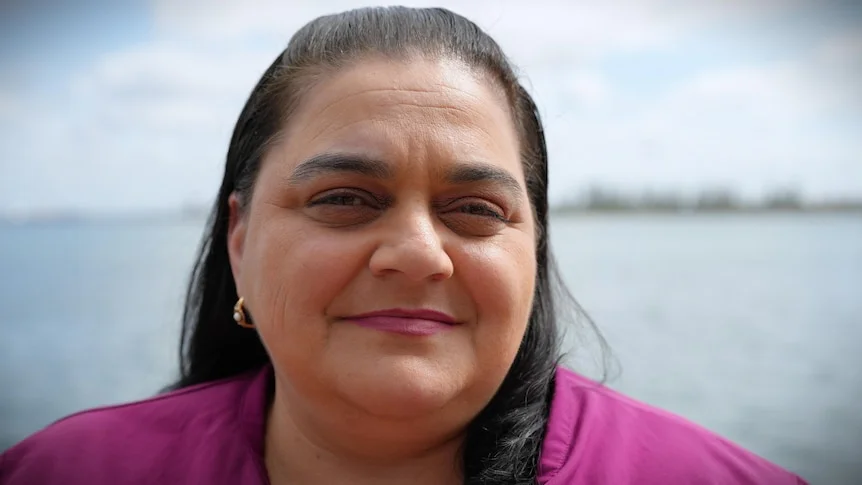
At 43, Rose Taylor still wonders whether she’d be alive if a teacher hadn’t stepped in when she was a teenager. “I genuinely wonder if I would still be alive at 43,” she said.
Taylor, who now lives in Newcastle, spent much of her adolescence moving through foster placements and refuges. She was homeless before she found a stable home. Her experience gives her a direct view of a system now short of carers—and a reason to urge more people to get involved.
Removed from home at 12
Taylor went to school one morning not knowing she wouldn’t return home. Foster care case managers she didn’t know took her out of class and told her it wasn’t safe to live with her parents. “I was absolutely terrified,” she recalled.
By nearly 16, she had been through five foster placements, two refuges and a semi-independent living program. Feeling unwanted and without hope, she stopped telling child welfare authorities where she was. She thought she’d be better off on the streets.
“If I couldn't have my family, I wanted nobody,” she said. She tried to appear hardened and indifferent, but living rough in Sydney’s Parramatta and Liverpool as a 15-year-old was the most frightening time of her life. “I never cried more or felt more scared,” she said.
Teachers who kept asking
School became a refuge. Taylor kept turning up, then found somewhere to sleep and hung her uniform on a park bench overnight. It was cold and frightening. After weeks on the street, a teacher noticed that her anger was masking distress.
When Taylor stormed out of class, the teacher would find her and ask what was wrong and whether she was okay—questions, Taylor said, nobody else had asked. The teacher later brought in a colleague, who joined in caring for her.

The two teachers didn’t make everything better overnight. They gave her care, patience and room to work things out. After more than a year of stability, Taylor began to imagine a future, completed school and took on the prospect of the Higher School Certificate. At 15, she said, even looking a week ahead had been difficult.
Fewer foster households, many children needing care
The scale of the shortage is striking. Australian Institute of Health and Welfare figures put the number of foster care households at about 9,000 on June 30, 2021; by June 2025, it was about 5,900. Life Without Barriers says roughly 45,000 children across Australia need care.
Deanne Carroll, the organisation’s New South Wales youth and family services boss, said cost-of-living pressure has made fostering harder for some households. She also pointed to broader social changes since COVID, though the figures cited here don’t establish exactly how much each factor has contributed.
Taylor has a family of her own and has spent the past decade as an operations manager at Life Without Barriers in Newcastle, helping find people suited to foster care. She says the national shortage is why she’s speaking publicly about her experience.
“These children are our future adults, our future leaders,” she said. “We can all play a role” in helping them.