South Australian Business Confidence Falls as Costs and Profitability Concerns Mount
Confidence falls back
South Australian business confidence has fallen to its fourth-lowest level since 2001, as rising operating costs and concern about profitability weigh on employers. The September quarterly survey by the South Australian Business Chamber found that confidence had reversed a modest improvement recorded in June. The change suggests that a brief lift in sentiment hasn’t been enough to offset the pressures businesses say they’re facing.
The chamber described confidence as among the lowest recorded in more than 25 years. Chief executive Andrew Kay said it had returned to levels last seen during COVID. That comparison signals how sharply sentiment has weakened, though the survey results don’t establish that businesses now face the same conditions as they did during the pandemic.
South Australian businesses remain more confident than the national average, the survey found. But a stronger relative position offers little comfort if firms still expect costs to rise and profits to come under strain. The gap between state and national sentiment matters; it just doesn’t remove the pressure employers report within South Australia.
Costs are squeezing employers
Nearly three-quarters of survey respondents said costs were a major obstacle to confidence, citing wages, energy and rent. More than two-thirds were concerned about profitability, while over 60 per cent pointed to government policies and legislation. Taken together, those responses describe a squeeze on both sides of the ledger: expenses are rising, and employers aren’t sure how much of that pressure they can absorb.
That’s a difficult position for smaller organisations, which may have less room to spread higher bills across a large operation. When recurring expenses rise, an employer can try to cut other costs, raise prices or accept lower margins; each option has limits. The survey doesn’t say which responses firms are choosing, but its concern about profitability indicates that many see little easy room to adjust.
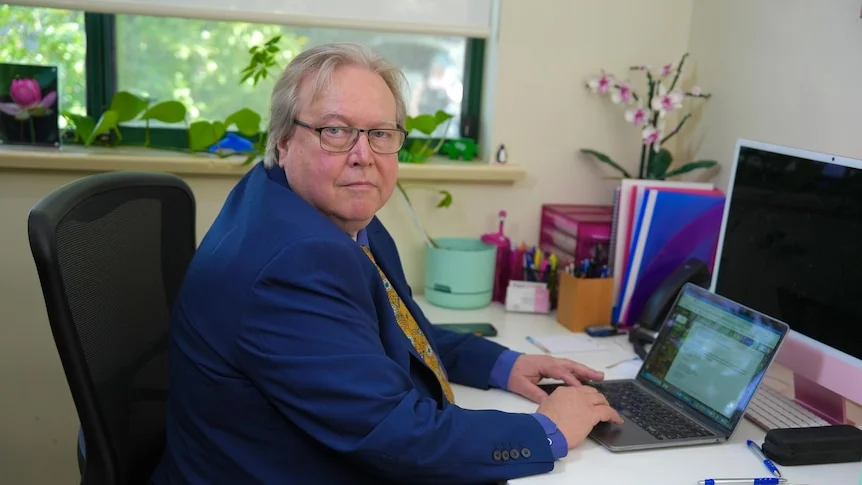
Quentin Black, who runs the Adelaide not-for-profit practice PsychMed, said the organisation sits between support categories: it’s too large for small business assistance but too small to qualify for other financial help. Despite running not-for-profit programs, he said, the practice pays state payroll tax on staff employed in those programs. His account highlights a practical problem with eligibility thresholds: organisations can face substantial expenses without fitting neatly into the categories through which assistance is offered.
“Small enterprises like PsychMed that employ a lot of South Australians actually don't get any assistance whatsoever,” Black said. “In fact, we end up paying a lot of the burden.”
He said wage increases had become a regular annual pressure, while insurance costs had risen significantly and business energy bills had “really skyrocketed”. Those costs can compound: a wage bill that grows year after year leaves less flexibility when insurance or energy expenses also jump. For an organisation delivering services, reducing costs may also mean difficult choices about staffing or the work it can sustain.
And this is the part most people overlook: a not-for-profit status doesn’t mean an organisation can avoid the ordinary costs of employing people and keeping its premises running. Black’s example shows how a business can be mission-driven and still be exposed to the same operating pressures as other employers.
Policy concerns add to the pressure
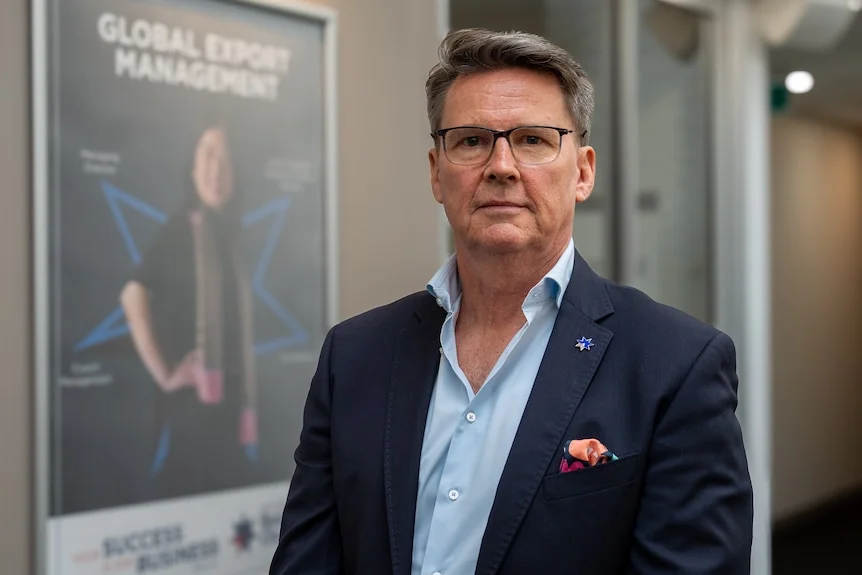
Kay said costs and government policy had helped drive the latest decline. He called for measures to reduce business expenses and red tape, and argued that policy should encourage investment. He pointed to credit card surcharge changes and changes affecting trusts as examples of decisions he said add costs or taxes for businesses. Those are his criticisms; the survey figures show that policy concerns are widespread among respondents, but don’t specify how much each individual decision has contributed to the fall in confidence.
South Australian Opposition Leader Ashton Hurn also blamed inflation and red tape for squeezing small businesses. She said employers were facing rising expenses as households dealt with pressure on their own budgets. That connection matters because businesses may find it harder to pass higher costs on when customers are also managing tighter household finances.
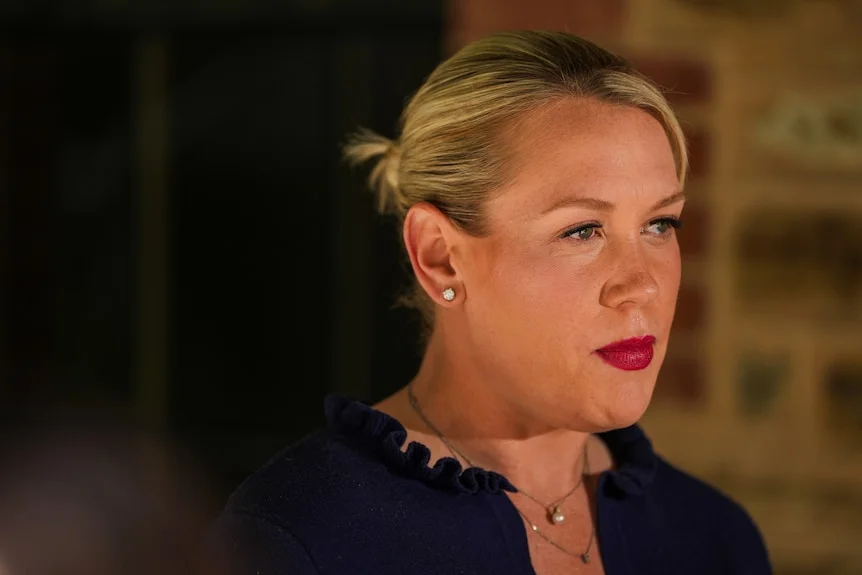
Premier Peter Malinauskas said South Australia was outperforming most of the country, with Western Australia the possible exception. He acknowledged that the state remained exposed to national economic headwinds. That response frames the issue as one of relative performance: the state may be doing better than many others while its employers still feel the effects of pressures shared across the economy.
What confidence will depend on
This is more significant than it looks. Confidence surveys capture expectations, not a direct tally of business closures or lost jobs, so they shouldn’t be read as a prediction of either. But when employers repeatedly cite costs and profitability, the results offer a warning about how much room firms believe they have to keep operating as usual.
For policymakers, the competing claims point to a practical challenge: business conditions can look comparatively strong at the state level while individual employers still struggle with expenses and the rules that apply to them. If you're working in this space, the distinction matters. A statewide comparison can describe relative strength; it can’t tell a business whether its own wage, energy, rent and tax bills are manageable.
Here's the thing: the survey records a reversal after June’s modest improvement, but it doesn’t identify what would be enough to turn confidence around. Employers have named the pressures they want addressed; whether changes to costs or policy would materially improve profitability remains an open question. For now, the signal is caution.
South Australia’s relative performance remains stronger than the national picture, yet employers are still confronting costs, policy concerns and uncertain profitability. That tension is central to the findings. The next test will be whether confidence can recover while those pressures persist. A better comparison with other states may offer context, but it won’t pay a business’s bills.