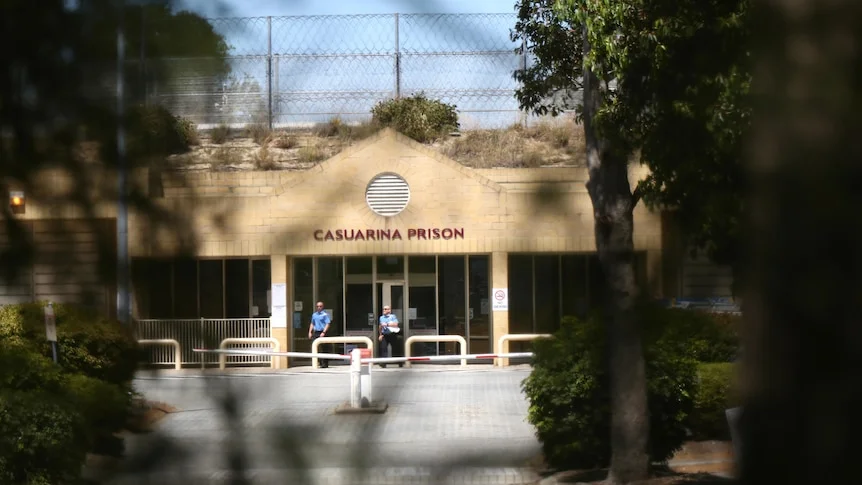
So You Are Owner Demands Investigation After Horse’s Remains Found in Sydney Skip
A death followed by questions about care
The handling of So You Are’s remains has put accountability for end-of-life care in Australian racing under scrutiny. Owner-breeder Stuart Ramsey is demanding a full investigation after the five-year-old gelding was found in a skip at a Sydney waste facility while awaiting burial. The discovery has shifted attention from the horse’s final illness to the decisions made after his death, including who arranged the disposal and how the owners were kept informed.
“There should be a full investigation. Heads have got to roll, simple as that,” Ramsey said. He called the discovery a “bloody disgrace” and said the horse had brought his family together, including a group of more than 30 who travelled to Melbourne for the Cup. His reaction reflects more than anger at an administrative failure: for owners, trainers and families, a racehorse can be a shared commitment whose value isn’t captured by its results on the track.
How So You Are died
Trained by Bjorn Baker, So You Are finished eighth in the Melbourne Cup on November 3. He later became ill at a spelling farm and was taken to REC Equine Specialists in Horsley Park after showing signs of colic on Monday morning. Surgery was unsuccessful, and the horse was euthanased under anaesthesia. The account describes a serious medical episode and an unsuccessful attempt to treat it; the dispute concerns what happened once that care had ended.
That distinction matters. Euthanasia can leave a veterinary practice with practical arrangements to make, but those arrangements still carry an obligation to communicate clearly with the people responsible for the animal. The source of the immediate failure may turn out to involve a service provider, as REC has said, yet selecting and coordinating that provider is part of the chain that investigators will need to examine.
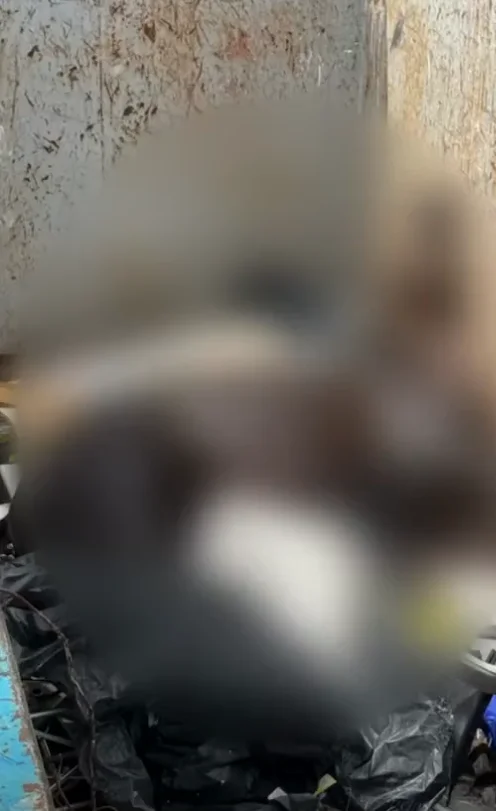
So You Are's remains were found in a skip bin in Sydney on Tuesday. (Facebook: Gregg Jowett)
Footage of the remains at the Cleanaway Lucas Heights Resource Recovery Centre drew anger from racing figures and animal welfare campaigners. Racing NSW said its investigation found the horse was being held temporarily while burial was arranged. That explanation addresses the intended destination, but it doesn’t answer why the remains were in a skip or whether the owners understood what was happening while the arrangements were pending.
Images of a horse’s remains in a waste facility make the issue immediate and difficult to contain. Yet the central questions are procedural as well as emotional: who made each decision, what instructions were passed to the contractor, and how long was the temporary holding arrangement meant to last? Those details will determine whether this was a breakdown in communication, a failure to follow agreed handling, or both.
Responsibility for the arrangements
REC managing partner Jonathan Lumsden said the practice had apologised to the horse’s owners and trainers. He said REC did not perform the burial but accepted “full responsibility” for selecting the service provider and arranging the process. That admission places responsibility for the choice of provider and the coordination of the arrangements with REC, even as the physical handling may have been carried out by someone else.
“He should have been promptly and respectfully buried,” Lumsden said in a statement. Ramsey said he had not been contacted by REC and rejected the explanation that a contractor was responsible. He also said the owners were not offered the option of burying So You Are at Turangga Stud, the family’s Hunter Valley farm. The gap between the practice’s account of its role and Ramsey’s account of the communication is one of the issues an investigation can clarify.
Responsibility can be shared across a process, but that shouldn’t make it hard to identify who was meant to act at each stage. A temporary arrangement needs clear instructions, a defined next step and communication with the people who have a personal stake in the outcome. Here’s the thing: saying that burial was planned doesn’t settle whether the handling before it happened was acceptable.
So You Are recorded eight career wins and earned $1.4 million. Ramsey said the horse meant a great deal to his family, describing the way it had brought them together around racing. The record gives a measure of his sporting success; it can’t account for the attachment Ramsey describes, or determine what respectful treatment should have meant in this case.
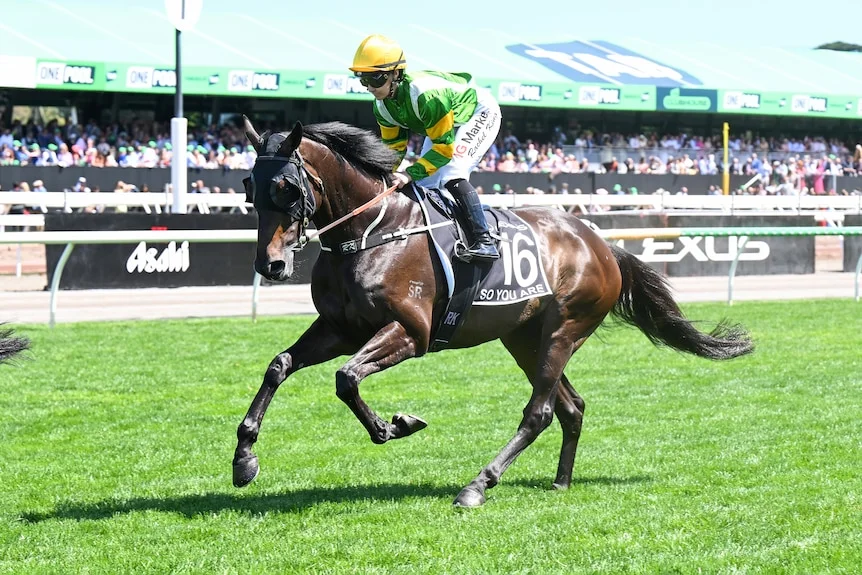
So You Are finished eighth at this year's Melbourne Cup. (Getty Images: Racing Photos/Pat Scala)
Industry response
The case has also prompted criticism from animal welfare advocates. Elio Celotto, campaign director for the Coalition for the Protection of Racehorses, said burial or cremation were available options and criticised the decision to send the remains to a tip. Victorian Animal Justice Party MP Georgie Purcell said the incident raised questions about the racing industry’s duty of care after a horse’s death. Their comments widen the discussion beyond one practice and one contractor, towards the standards owners and the public can expect when a racehorse dies.
Racing NSW said it would take “appropriate action” if its investigation found wrongdoing. It also cited NSW Department of Primary Industries guidance that licensed landfill is the preferred option for animals euthanased with chemicals, while saying burial should have been handled promptly and respectfully. The two points make the practical issue clearer: disposal guidance may shape which options are available, but it doesn’t remove the need to manage the process with care and explain it to the owners.
That said, the statements available so far leave important details unresolved. The article doesn’t set out the contractor’s account, the instructions it received or the timeline for the planned burial. Without those details, it’s too early to assign every part of the failure. The public response, however, shows that a technical explanation about disposal methods won’t by itself answer the question of whether the horse was treated with respect.
What the investigation needs to establish
The investigation will determine whether the disposal arrangements met that standard—and who was responsible for the decisions that led to So You Are’s remains being found in a skip. It can also establish whether the owners were informed, what alternatives were considered and how the temporary holding arrangement came about. Those are concrete questions, and the answers matter more than a general expression of regret.
This is more significant than it looks. End-of-life handling is easy to overlook when attention centres on racing, training and results, but it’s part of the care system surrounding every horse. If you’re working in this space, the case is a reminder that responsibility doesn’t end when treatment fails: clear ownership of the next steps and direct communication with owners matter too.
And yet. The public record may ultimately show a specific failure rather than a wider pattern. What this incident has already exposed is how quickly confidence can erode when a horse’s final arrangements are unclear, and how hard it is for an industry to answer that concern after images of the remains have circulated.