Australian Wine Production Falls 18% as Global Glut Persists
Australia’s wine industry is producing less than it sells, yet its stockpile remains too large for the market it serves. That gap captures the industry’s bind: output is contracting, but demand is also weakening, and the latest production cuts haven’t cleared the surplus. Selling more wine than the country produces sounds like a straightforward route to reducing inventory. In practice, the scale of the stockpile means one year of that balance can make only limited progress.
Wine Australia’s 2025–26 report puts production at 925 million litres, down 18 per cent, against sales of just over 1 billion litres. National inventory fell 9 per cent to 1.78 billion litres, its lowest level since 2019–20. Even so, Wine Australia estimates that about 124 million litres remain in excess of more suitable stock levels. The figures point to genuine movement, but they also show why a smaller harvest alone can’t settle the question of how much wine the market can absorb.
Production cuts meet weaker demand
The downturn runs through both domestic and export markets. Australian wine sales at home slipped 1 per cent to a 20-year low, while exports dropped below 600 million litres for the first time in two decades. The volume of grapes crushed also reached a 25-year low. Taken together, the declines suggest that growers and producers are responding to a broad squeeze, rather than a temporary shortage of grapes or a problem confined to one sales channel.
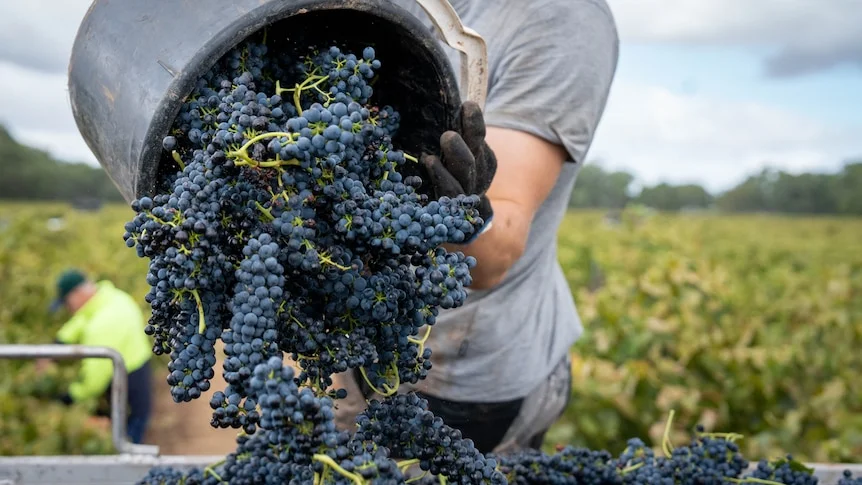
The mix is shifting, too. White wine production declined 8 per cent, while red wine output fell 28 per cent, leaving white ahead of red. That difference matters because production isn’t adjusting evenly across the industry: the sharper red wine contraction points to particular pressure on a category that has carried excess supply for years, alongside low grape prices and rising costs. For producers, fewer red grapes entering the crush may ease immediate pressure, but the figures don’t show whether the underlying capacity has been removed.
Peter Bailey, Wine Australia’s manager of market insights, said the industry had made progress but still needed to reduce stocks. “The sector has made progress in reducing stocks, but further adjustment is likely to be needed to move to a more sustainable supply and demand balance amid challenging trading conditions globally,” he said. The wording is measured, but the implication is direct: lower production has helped, while the gap between current inventories and suitable stock levels remains.
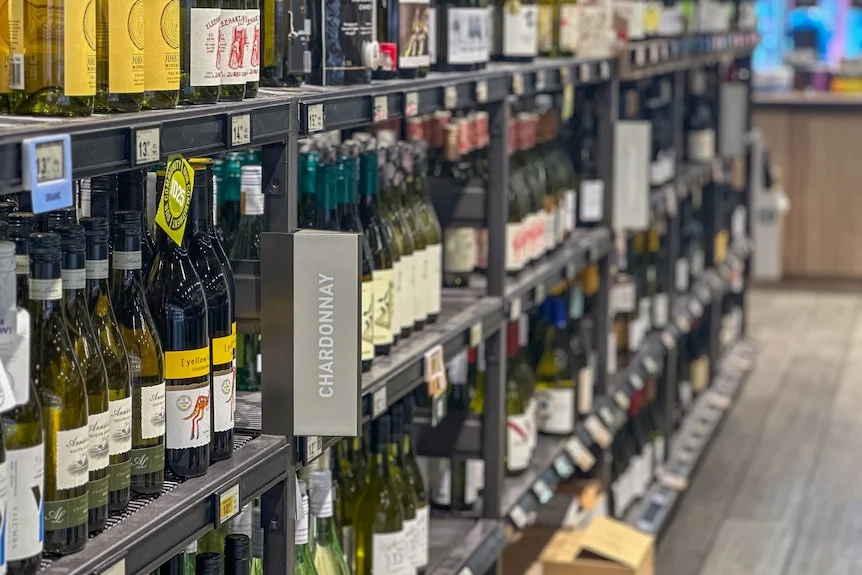
Bailey said global consumption is forecast to fall by 2 per cent a year over the next five years, amounting to more than 2 billion litres of lost demand. Australia’s own consumption is expected to hold broadly steady over that period, and Bailey pointed to strong performance in the growing South-East Asian market as a positive for local producers. That gives Australian wineries some room to seek customers beyond the home market, though it doesn’t erase the challenge of a shrinking global pool of wine drinkers. Here's the thing: a promising regional market can help individual exporters without necessarily absorbing the industry’s surplus at scale.
A smaller harvest doesn’t guarantee a smaller industry
The latest production drop may overstate how much lasting capacity has left the sector. Kym Anderson of Adelaide University’s Wine Economics Research Centre said some growers had left grapes unpicked or abandoned parts of their crops because buyers weren’t available. Those choices reduce the harvest, but don’t necessarily mean vineyards have been removed or producers have made a permanent decision to exit. A low crush can therefore reflect a difficult season for selling grapes as much as a structural retreat from production.

“The reduction we saw in this last year isn’t necessarily a sign that we’ve made a major permanent adjustment,” Anderson said. He described the current squeeze as different from earlier downturns because consumption has been declining worldwide, not just in individual markets. In his view, the trend has persisted for nearly 60 years, leaving producers to adapt to a smaller demand base. That’s a more difficult adjustment than waiting for a local market to recover: the pressure Anderson describes is broad, and producers can’t assume that shifting sales between markets will restore past demand.
That adjustment is already taking place in some regions. Anderson said growers would need to remove vines that can’t earn a return and bring excess wine stocks down. Some aged inventory may have little or no value and could be discarded, while land and water used for vineyards may eventually go to other uses. Those are costly choices with effects beyond a single harvest, because they involve decisions about productive assets and resources as well as unsold bottles.
What the figures mean for producers
This is more significant than it looks: the industry can post a year in which sales exceed production and still carry a substantial surplus. Inventory is accumulated over time, so a single year’s balance doesn’t show whether the sector has reached a durable fit between what it can produce and what buyers want. If you're working in this space, the distinction between fewer grapes picked and fewer vines kept in production is the one to watch.
For Australian producers, the key measure now isn’t simply whether annual sales top production. It’s whether the industry makes durable capacity changes while demand continues to soften. Lower harvests can ease the stockpile, but unless production decisions reflect the smaller demand base, the excess may build again. That said, the available figures show progress in reducing inventory; they don’t establish how quickly the remaining surplus can be cleared. The test is persistence.