Australia’s Rising Homebirths and Uncounted Freebirths Raise Questions About Maternity Care
Nov 27, 2026
914 views
Homebirths have doubled, while freebirths remain uncounted
The inquest’s broader message is difficult to miss: decisions about birth are being made amid deep distrust of medical care, and the consequences can be fatal. Across Australia, homebirths have doubled since the COVID-19 pandemic. In NSW, as many as 600 babies now arrive each year through midwife-assisted homebirth, compared with about 280 in 2019. A planned homebirth involves a registered midwife, either privately employed or working for a hospital. Freebirth is different: no medically trained person is present, and some mothers have no clinical support during pregnancy. There are no figures for how many freebirths take place. Deputy Coroner Joan Baptie is examining the deaths of four babies: three born by freebirth in northern NSW and one in a homebirth in the Hunter Valley. The two weeks of testimony also raised a harder question: what pushes some families away from clinical care, and how can the health system respond?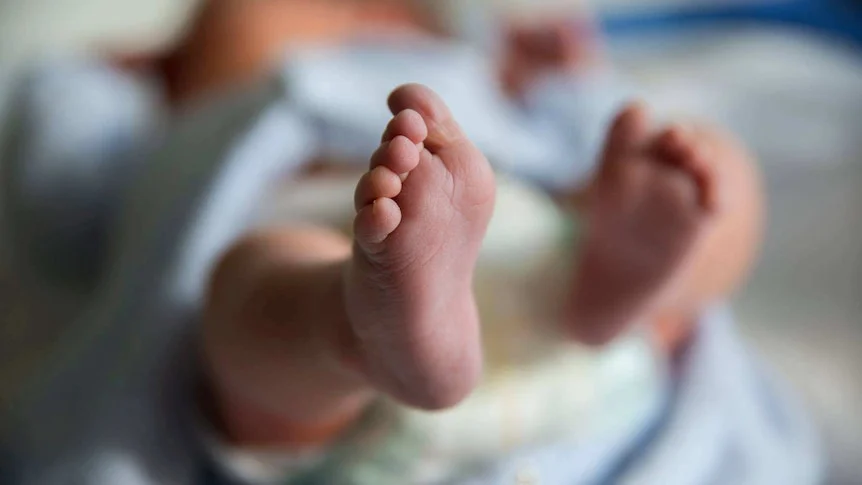
Distrust and the pull of online advice
The court heard that non-clinical, often controversial birth advice circulates widely on social media. Dr Andrew Bisits of the Royal Hospital for Women described it as a contemporary influence on birth decisions. Such material, he said, can reinforce choices that clinicians consider risky. He also pointed to hostility toward institutions perceived to threaten a woman’s autonomy. That mistrust matters. Simply dismissing alternative views, Bisits argued, won’t help clinicians reach women who feel unheard. “Resentment [about alternative views] is useless,” he told the court.
What the inquest heard about three freebirths
The evidence focused in part on advice given before and during the births. Two birth keepers who attended the three freebirths had no medical qualifications. Sita Kali was present for Baby R’s birth in 2022 and Baby D’s in 2024; the children and their families cannot be named for legal reasons. In Baby R’s case, the court heard Kali calculated the due date from conception rather than using the standard clinical method based on the mother’s last menstrual period. Her estimate put the birth two weeks later than the date given at an earlier clinical appointment. At 43 weeks, an ultrasound sonographer told the mother to seek immediate care at Tweed Hospital. The mother instead sought advice from Kali, knowing she had no medical training. Counsel assisting the coroner, Ragni Mathur, said Kali observed that the woman was anxious and advised her to go home and settle before deciding what to do. Labour began within hours. Baby R was born with the umbilical cord around the neck, breathing difficulties and faeces on the face. Emergency services were called 12 hours later, but the baby died from complications of severe post-maturity. In a statement, the mother said: “I was afraid to go to hospital and be forced into a caesarean. I still thought the baby was OK”.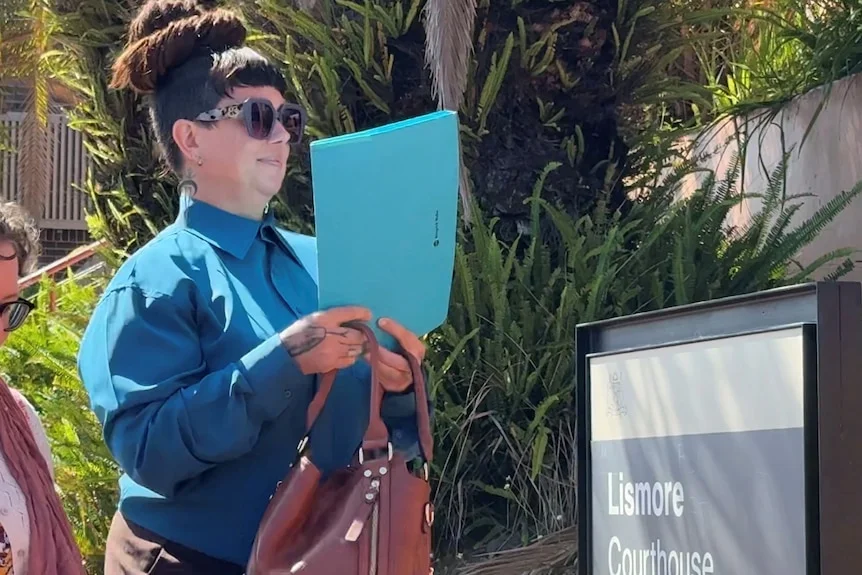
Care that can bridge the divide
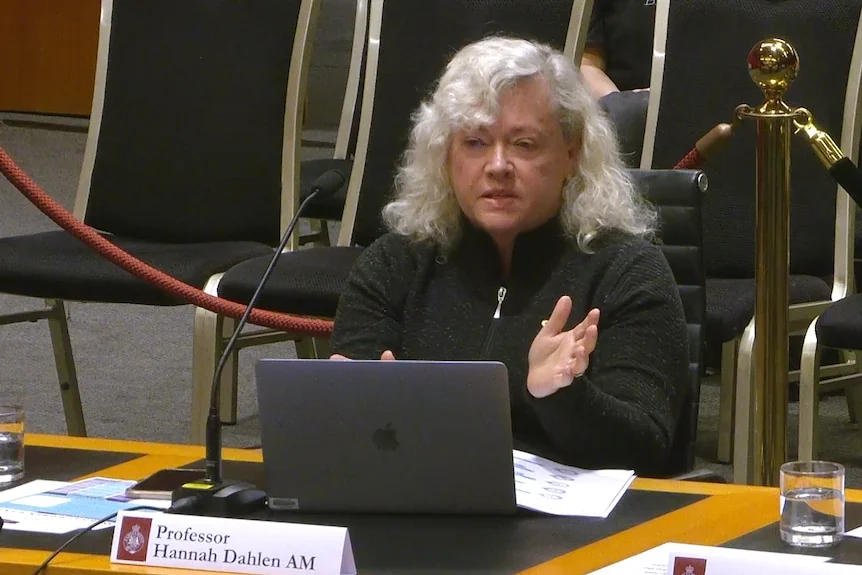
Medical experts told the inquest that the babies born by freebirth might have survived if their conditions had been detected early in pregnancy. Dahlen said both twins would probably have survived with medical intervention, though not without risk. She and fellow midwife Alison Teate said antenatal care would have identified the shared placenta and flagged the pregnancy as very high risk.