Brisbane Co-Housing Project Gives Five Older Women Long-Term Housing Security
Five older women secure long-term homes in Brisbane co-housing project
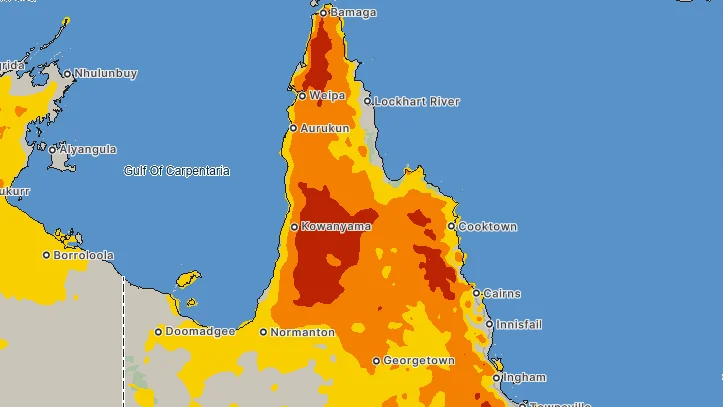
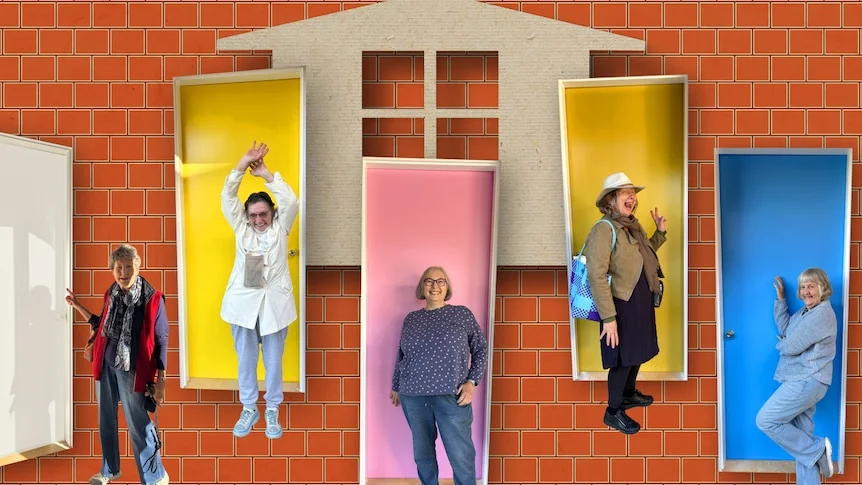
Five women who had relied on friends, family and temporary stays for a place to live have secured homes in an Australian-first co-housing project in Darra, south-west of Brisbane. Each paid $120,000 for a 50-year lease, giving them a home they can’t be evicted from.
The project, created by the charity Sharing with Friends, offers something the housing system has left out: a way for older women with some savings, but not enough to buy a home, to find long-term security. That gap is often called the “missing middle.”
A home of her own
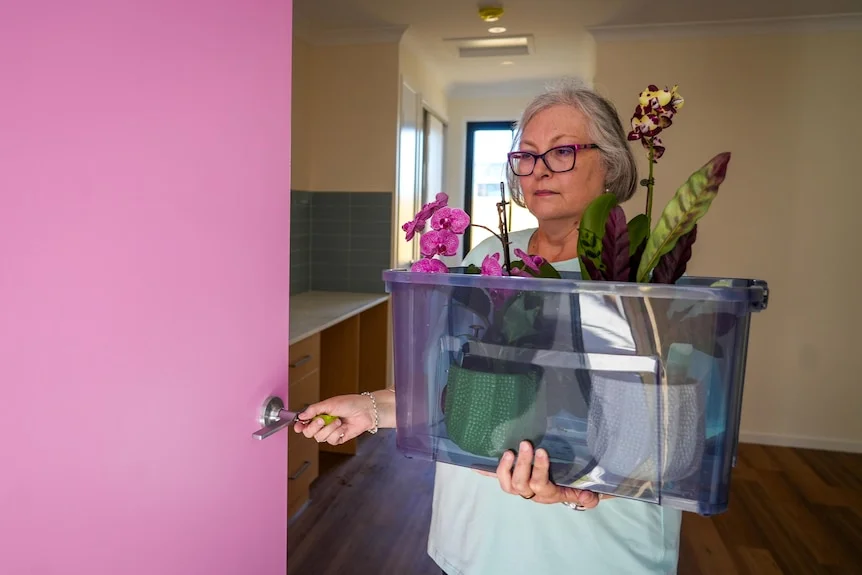
For Ann Singh, 79, the move comes after years of financial uncertainty following her divorce. She moved between rentals and took on house-sitting to keep a roof over her head. Now she can settle into her own unit.
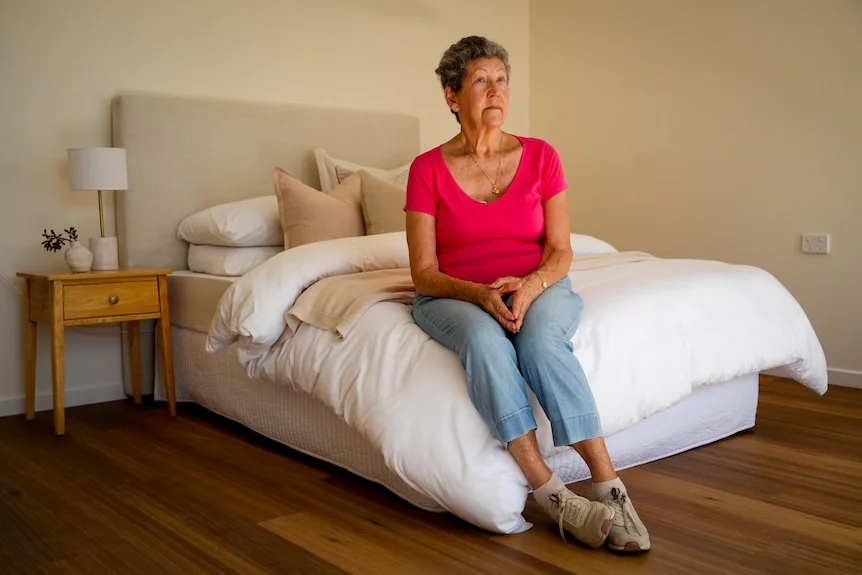
“It's emotional, to wake up in my own space with my own things around me,” she said.
“It is such a perfect solution for women like me who had a little bit of money but not enough to buy a property.”
“My take on it is, it's saving us from a fate worse than death.”
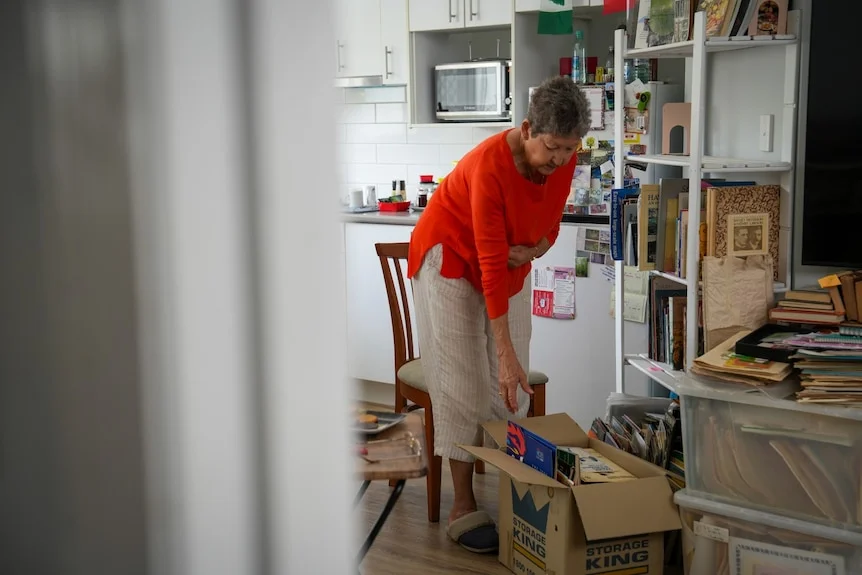
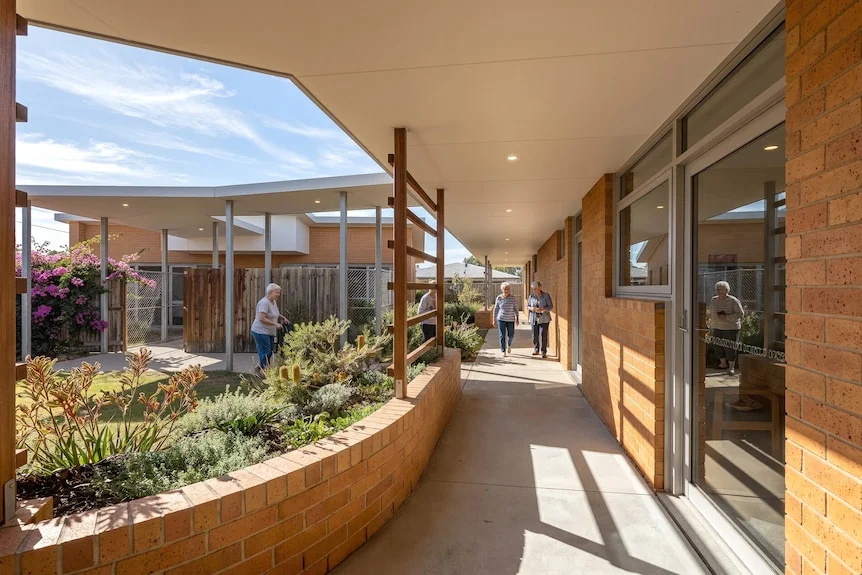
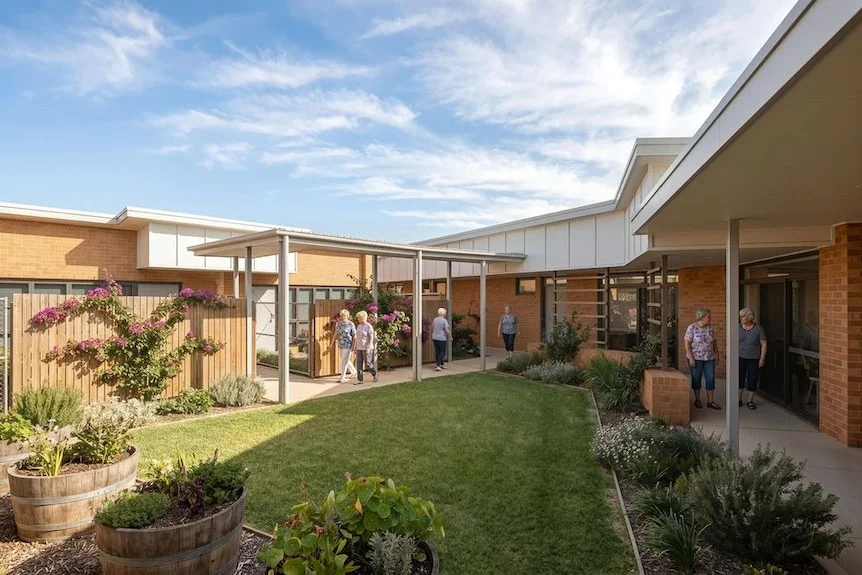
After seven years of work by Sharing with Friends, the development gives each resident a private, self-contained studio with a kitchen and courtyard. There’s also a shared kitchen, living room and central courtyard for residents who want company.
The model is aimed at older women, the fastest-growing group of homeless people in Australia.
Fear of having nowhere to go
Robyn Duffy-Jones, 60, is the youngest of the five residents. A single mother who has rented throughout her life, she tried to borrow money to buy a home in her mid-50s but banks turned her down. Queensland property prices then began to climb.
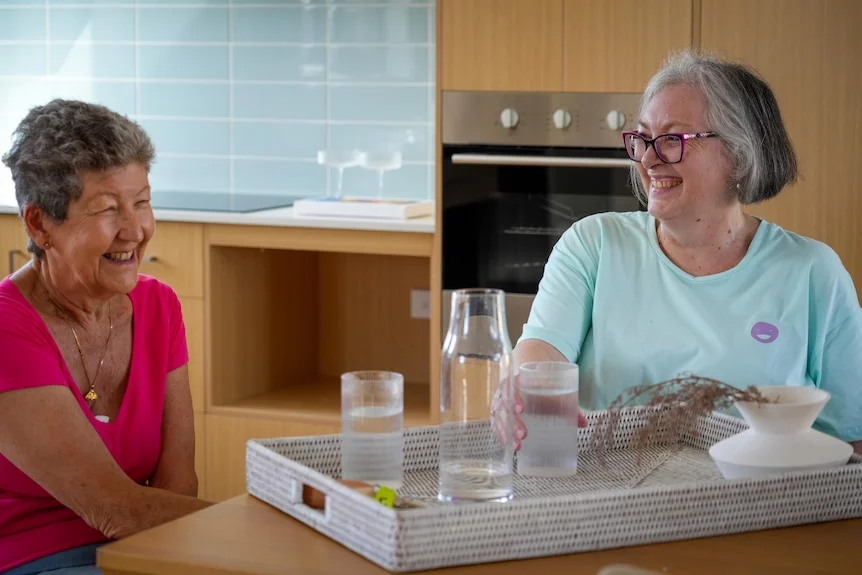
Duffy-Jones said the possibility of living in a tent had frightened her. “Where are you going to live is a fundamental right, [it is] such a scary thought to not have a roof over your head,” she said.
When she learned about Sharing with Friends, she took the opportunity, calling it “a saviour.” Owning a home, she said, had always been a dream. The $120,000 entry amount was set because it matched the average superannuation balance for a woman at retirement age at the time.
“The missing middle”
Sharing with Friends president Susan Davies said the charity began pursuing a different housing model after hearing repeated accounts from single older women struggling to find a decent place to live.
“It's a real systemic failure in this country. No one was doing anything about helping this group of women and we decided to do something,” Davies said.
“We call them the missing middle. They had too much to qualify for social housing, but absolutely not enough to afford to buy anywhere.
“So if they are renting, they are facing drawing down on their savings and basically living in fear of eviction, and being thrown onto the street.”
Census data shows the number of homeless women over 55 rose by 40 per cent over the past decade, based on comparisons across five years of census data.
The first residents chose one another through workshops run by the charity. Philanthropic donations helped get the project started despite construction cost increases and planning delays. Davies said government support had been minimal: “We've had virtually no help from government.”
The charity owns the land, while residents pay electricity bills and rates as homeowners do. If a resident leaves or dies, her original investment is returned with the consumer price index added.
“One of our women just said to me, 'I finally have a home, before this I was worried I would be one of those people whose whole life would be being pushed around in a shopping trolley,'” Davies said.
By Lexy Hamilton-Smith and Meghan Dansie · Housing Policy. Posted 9 November 2026 at 6:41am; updated at 7:12am.
Scaling the model will depend on planning reform
Sharing with Friends wants to take its housing model beyond its current project, but says Australia’s councils and governments will need to reduce planning barriers and recognise the model in planning laws. The group’s case is that replication depends on changing the approval system. “The system has to change so that we can replicate this quickly,” Ms Davies said. She added that the project began with a clear constraint: “We knew we needed to come up with something affordable and sustainable.”
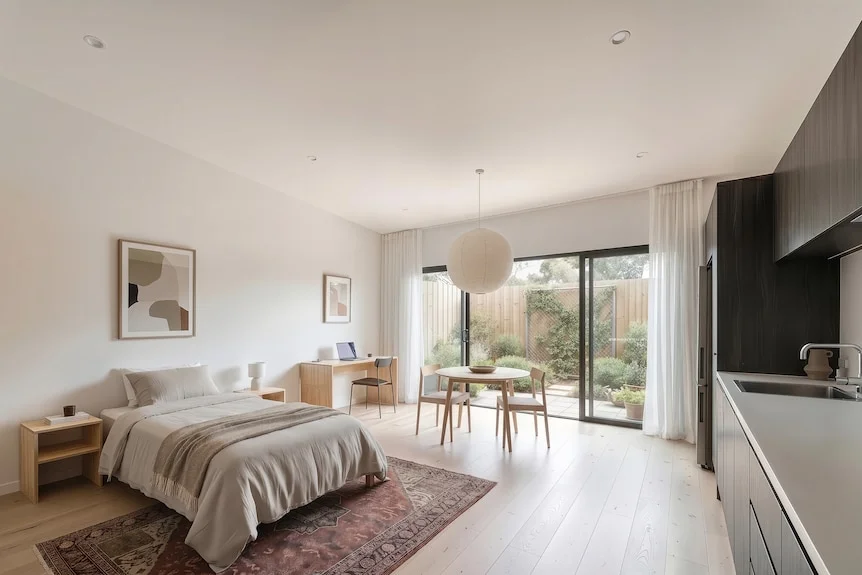
A rendered image of one of the studio units. (Supplied: Sharing with Friends)
Affordability remains a hard limit. Ms Davies said the average woman now has about $150,000 in superannuation, while rising costs mean the next project would require a buy-in of roughly $200,000. That gap makes the model’s price and funding structure central to whether it can spread.
Architect Eloise Atkinson designed the model pro bono around a shared sense of community and friendship. Residents would have common areas and a communal garden, alongside private space. “These women are choosing to live there, they're choosing to live together,” she said. “There's the shared space, there's the communal garden, but then there's your own space.”
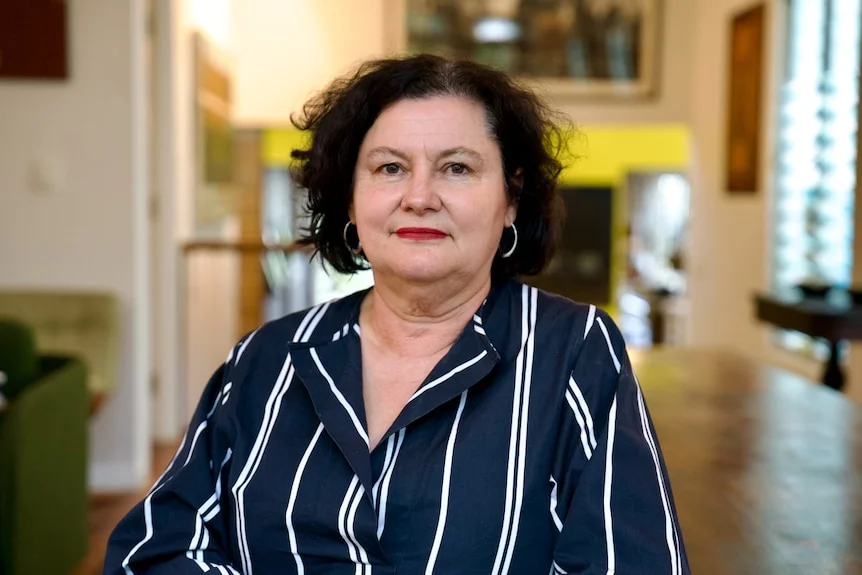
Robyn Atkinson said it aims to provide the women with a sense of privacy and access to community. (ABC News: Edward Gill)
Robyn Atkinson said larger councils could help establish a path by showing planners across the country how these homes operate. The project had to be approved under the category of a boarding house, she said, despite the model’s distinct approach. That classification issue points to a broader challenge: planners need a way to assess shared housing on its own terms.
Whether the model works at scale is still an open question. “The first couple of years will be the real test,” Atkinson said.