ASIC Review Finds Risky Super Switching Driven by Unlicensed Telemarketers
The scale of the referral channel
Unlicensed telemarketers helped funnel Australians toward higher-risk investments by drawing them into financial advice businesses, an ASIC review has found. Across 15 financial services licensees, lead generation services were linked to about $678 million in switched or invested funds over 17 months, with roughly 90 per cent sourced from superannuation.

Australians switching superannuation are urged to be cautious of telemarketers. (ABC News: Alistair Kroie)
The review covers activity from January 2025 to June 2026. The 15 licensees gained about 7,639 clients through lead generators, accounting for approximately 35 per cent of their new customers. That share suggests the referrals weren't a marginal source of business for the firms examined: more than one in three new customers arrived through this channel.
The licensees charged $9.8 million in upfront advice fees, while clients agreed to another $4.5 million in annual ongoing fees. Those figures show how a referral can carry financial consequences beyond the initial switch. Ongoing fees may continue after a recommendation is made, so the quality of the advice and the checks around it matter well after the first phone call.
ASIC began examining firms that use lead generators after announcing a review earlier this year. The practice typically starts with social media advertising or a phone call, then passes a prospective client to a licensed financial adviser, who may recommend moving savings out of an APRA-regulated super fund. Here's the thing: a referral may appear to be a simple introduction, but the review describes a chain in which the first contact can shape what information is collected and which products are put in front of a consumer.
When a referral becomes advice
ASIC found that some lead generators went well beyond introducing prospective clients. Their work included screening people, setting appointments, gathering personal information, researching products and discussing investment performance or recommendations in Statements of Advice. In one case, a lead generator helped put advice into effect. That sequence matters because it blurs the practical boundary between finding a client and influencing a financial decision.
Only licensed advisers can give consumers investment advice. ASIC said some lead generators used potentially misleading claims, fear-based pitches and comparisons that did not match equivalent products to persuade people to switch. When a pitch raises concern about a person's current fund, the consumer may enter the advice process already primed to move; a fair comparison then becomes essential to judging whether that move serves them.
The review said many investors entered funds after their adviser failed to act in their best interests, and that lead generators had approached many of them first. This is more significant than it looks: the first conversation can frame the problem, influence what the customer expects from the adviser and set the direction of the later discussion. (And this is the part most people overlook.) A licensed adviser’s involvement doesn't erase the role played by an earlier sales approach.
The regulator said lead generation within advice businesses was likely to conflict with advisers’ and licensees’ duties, including acting in clients’ best interests and ensuring personal advice is provided only by appropriately authorised people. Such conduct, it warned, can put both advisers and license holders at risk of breaching their obligations. For firms, the practical issue is whether they understand what their lead generators say and do before a prospective client reaches an authorised adviser.
ASIC pointed to the collapses of Shield and First Guardian, which left almost 12,000 investors with losses exceeding $1 billion in retirement savings, as examples of the harm that can follow when providers fail to put investors first. Those cases give the review's warnings a sharper edge: switching super can expose retirement savings to risks that aren't obvious at the moment a person agrees to take a call or book an appointment.
Oversight gaps across licensees
ASIC also found weaknesses in how some licensees monitored their networks. Five lacked controls or standards designed to prevent, or flag, high-risk super switching by their authorised representatives. Another four operated businesses with some features associated with high-risk switching. The findings point to a basic supervisory question: can a licensee spot warning signs across the full referral and advice process, rather than reviewing only the final recommendation?
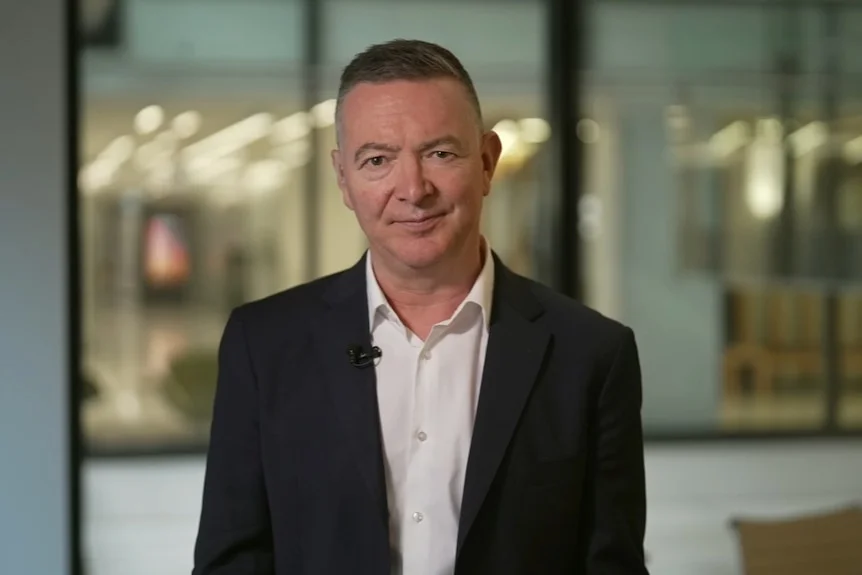
Alan Kirkland says consumers should be wary of lead generators.
ASIC commissioner Alan Kirkland said lead generators use “slick sales tactics to convince people to switch their super”, potentially exposing them to serious financial harm. “Far too often, we have seen how harmful lead generation practices can steer people towards investment choices that leave them worse off,” he said. ASIC plans to continue enforcement action where it finds evidence of serious consumer harm. That puts the emphasis on what firms can demonstrate about their practices, not simply on whether they use outside lead generators.
Super Consumers Australia chief executive Xavier O’Halloran said the findings exposed “the greed driving high-risk super switching schemes”. He added: “Good advisers don't need to cold call people to get clients.” The criticism reflects a wider concern raised by the review: when firms rely on unsolicited approaches to bring in customers, consumers may have little reason to expect a balanced assessment from the outset.
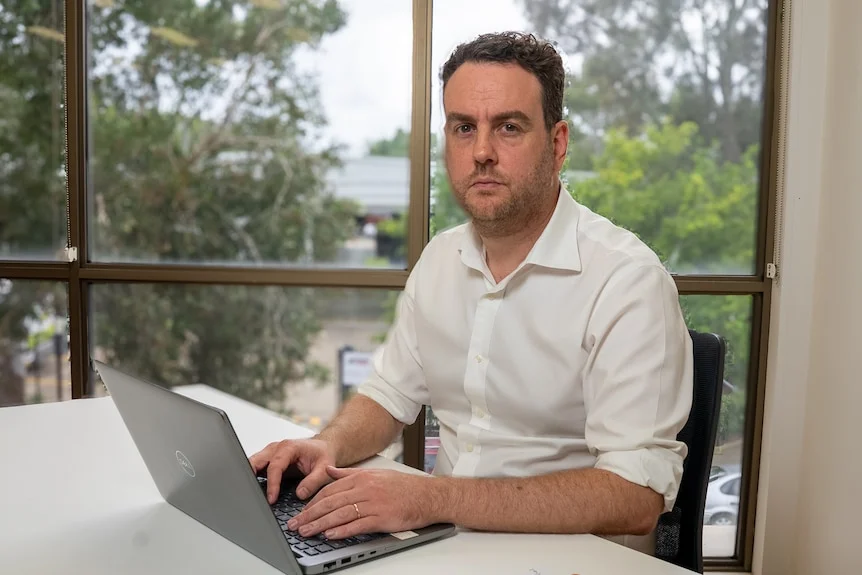
Xavier O'Halloran says good financial advisers do not cold call prospective clients. (ABC News: Daniel Irvine)
What the findings mean for consumers and firms
Earlier this year, Assistant Treasurer Daniel Mulino said unlicensed telemarketers who cold call or make unsolicited approaches to persuade people to switch super would be banned. The review's figures show the scale of the referral channel: hundreds of millions of dollars moved, substantial fees collected, and supervision failures at several licensees. The proposed ban gives that channel a policy context, while ASIC's findings show the conduct and oversight questions already facing advice businesses.
If you're working in this space, the central test is whether the firm can account for the whole path from first contact to recommendation: who approached the client, what claims were made, what information was gathered and how the advice was checked. For consumers, an unsolicited pitch that urges a super switch deserves scrutiny, particularly when it relies on alarm about an existing fund or comparisons between products that may not be equivalent.
Not a small referral fee question.
The review's central test for advice firms is whether they can show that every step from first contact to investment recommendation serves the client. ASIC's planned enforcement action will keep attention on serious consumer harm, while the findings leave firms with a more immediate task: ensuring the people who generate leads don't shape or deliver advice without proper authorisation and oversight.