How Seven Australian Families Are Adapting Their Grocery Shopping to Inflation
Nov 08, 2026
522 views
Seven grocery baskets show how inflation reaches the kitchen
The pressure of higher prices shows up in the small decisions people make at the supermarket: which brands stay, which foods disappear, and how many shops it takes to fill a basket. After another interest rate rise, the Reserve Bank said inflation was still not under control. Seven Australian shoppers showed us what their weekly groceries cost and how they’re adapting.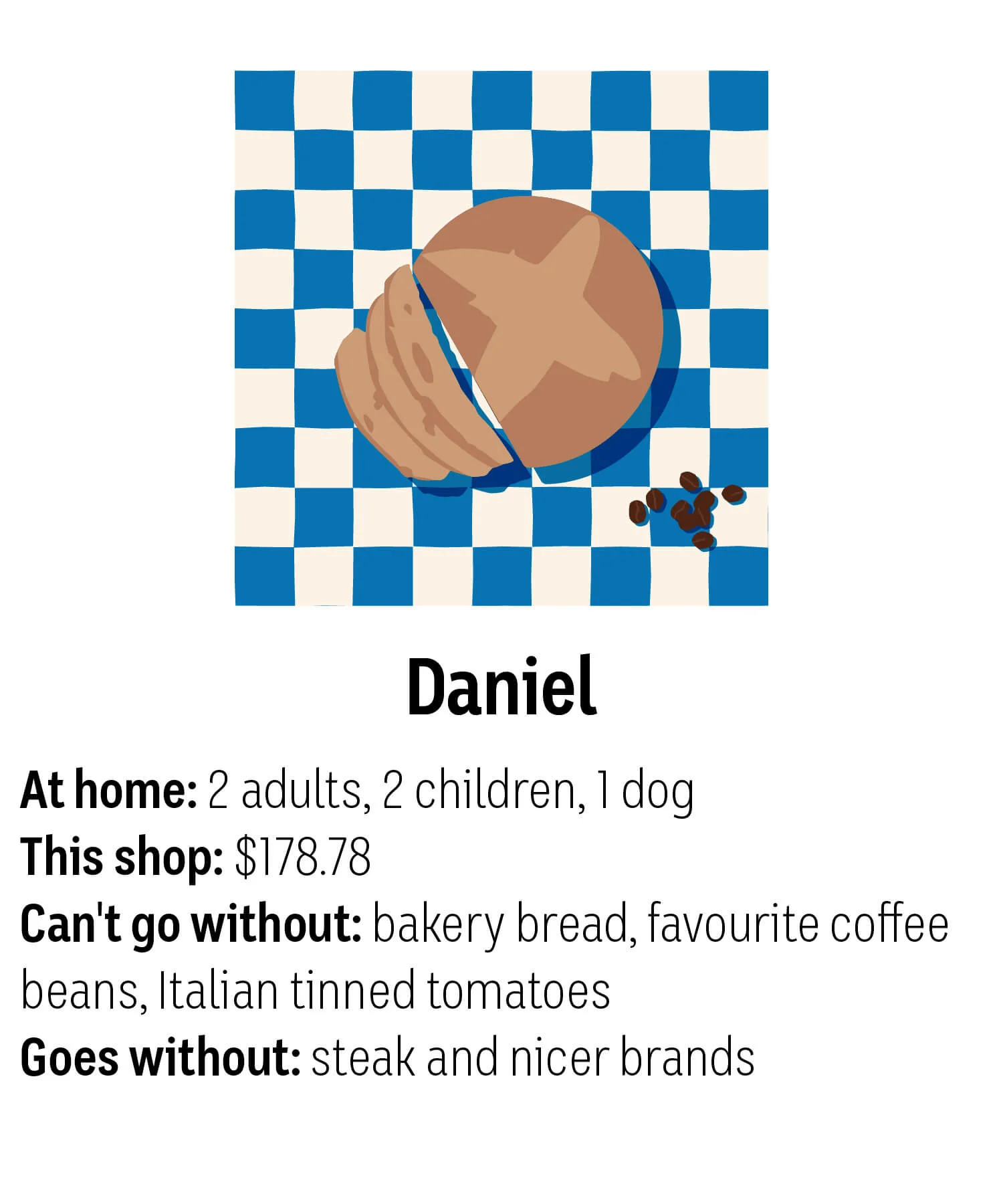
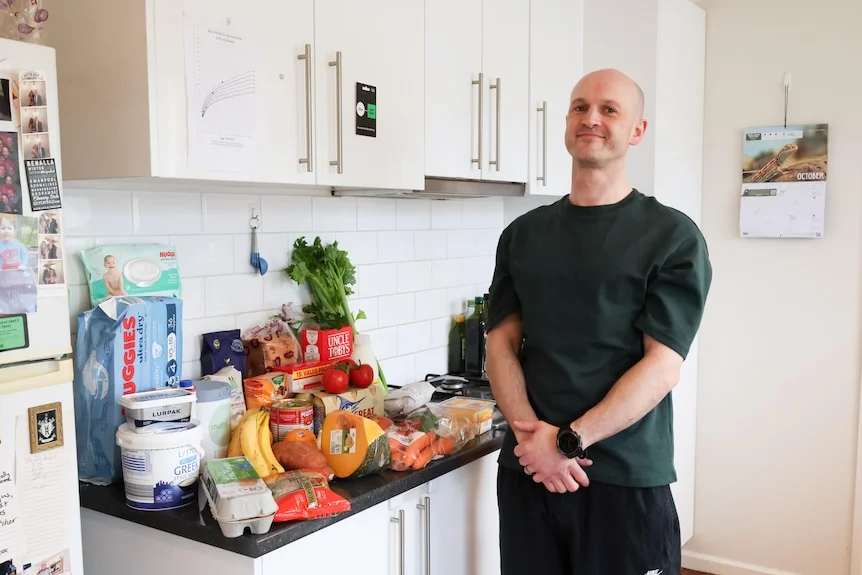 Daniel’s $178.78 shop is one of the larger grocery trips for his family, which spends about $250 a week once they add essentials such as milk and bread. He and his wife have a toddler and a three-month-old baby, and he tracks the household budget in a spreadsheet. Groceries are their biggest expense after the mortgage.
“I’ve certainly cut back on some of the nicer things in my grocery shop over the years,” Daniel says. His spreadsheet makes the trade-offs visible, but the meat counter makes them tangible: “Nice big juicy steaks” have almost disappeared from the menu because they cost too much.
He now does most of the shopping at Aldi, choosing cheaper products where he feels the quality holds up. Bread and free-range eggs remain exceptions. Cheese has been another compromise: “We started buying the cheaper cheese and now I don’t know what the really nice cheese tastes like.”
Shopping around, and cutting back
One in four shoppers told consumer research company Canstar last year that they had changed their habits in the previous 12 months to control costs. That figure is a useful measure of how widely households are adjusting, though it doesn’t tell us how much those changes actually save.
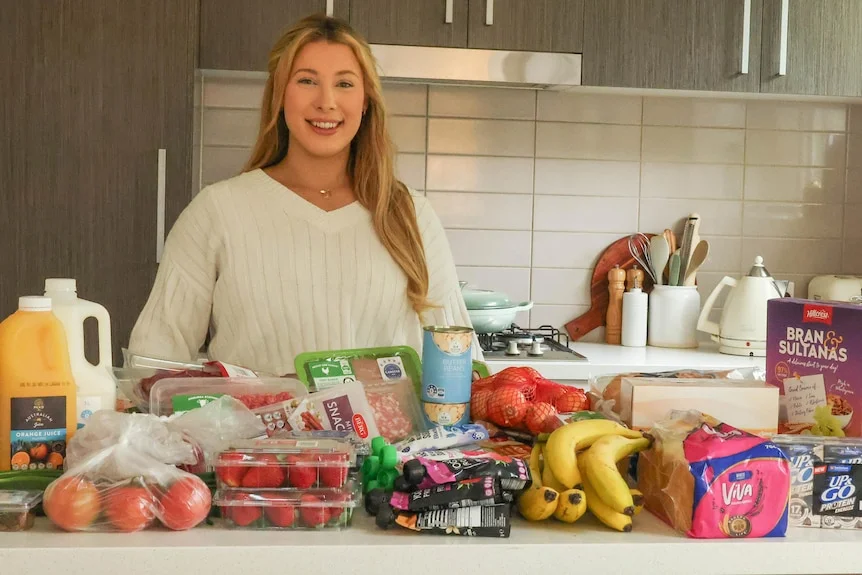 Louisa sets aside $300 a week for herself, her husband and their toddler. She meal-preps and sticks mostly to familiar foods. Her shop, which includes plenty of meat, yoghurt and fresh produce, cost $238. “I’m doing a similar shop to what I’ve always done but individual prices have gone up,” she says, pointing to cereals, rice and meat.
She starts at Aldi, then goes to Woolworths for anything Aldi doesn’t stock or for particular brands. She’s comfortable going a little over budget when needed, but the routine reflects a broader effort: spread the shopping across stores and try to make the same budget go further.
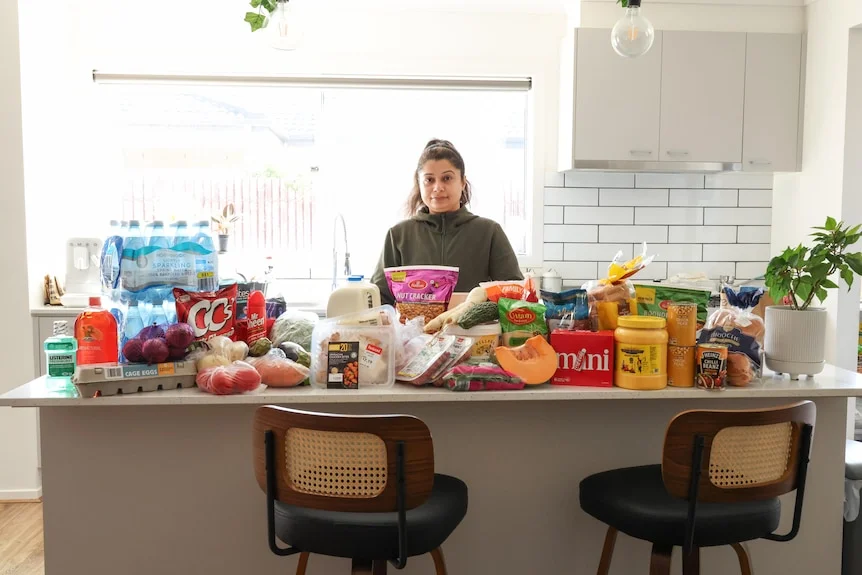 Udita shops for her husband, their kindergarten-aged child and her mother-in-law. She says the family still buys what it needs, but she pays closer attention to what goes into the trolley. At $228.38, her weekly shop involved visits to three places.
“We would’ve eaten like kings,” she says, comparing what the same money could buy three or four years ago. Even mini cans of Coke can cost around $11 or $12 when they’re not on special. “It just blows my mind that such a small vessel of soft drink … is so expensive.”
Time is tight, so Udita shops once a week, starting at Aldi and a local Indian grocer. She buys lentils, nuts and ghee in bulk. Canstar says most shoppers who shop around visit more than one store for their regular groceries. Yet searching for deals can only go so far: Choice’s basket of basic items shows prices continuing to rise across the major supermarkets.
The squeeze also shows up in household budgets beyond the checkout. A recent Household, Income and Labour Dynamics in Australia (HILDA) Survey [found](https://melbourneinstitute.unimelb.edu.au/hilda/publications/hilda-statistical-reports) that the average share of income spent on essential goods and services rose by almost 6 per cent over three years. The increase was 7.8 per cent for single people who weren’t elderly and 6.1 per cent for single parents with dependent children. The report also found food insecurity at higher rates among people in single-parent families.
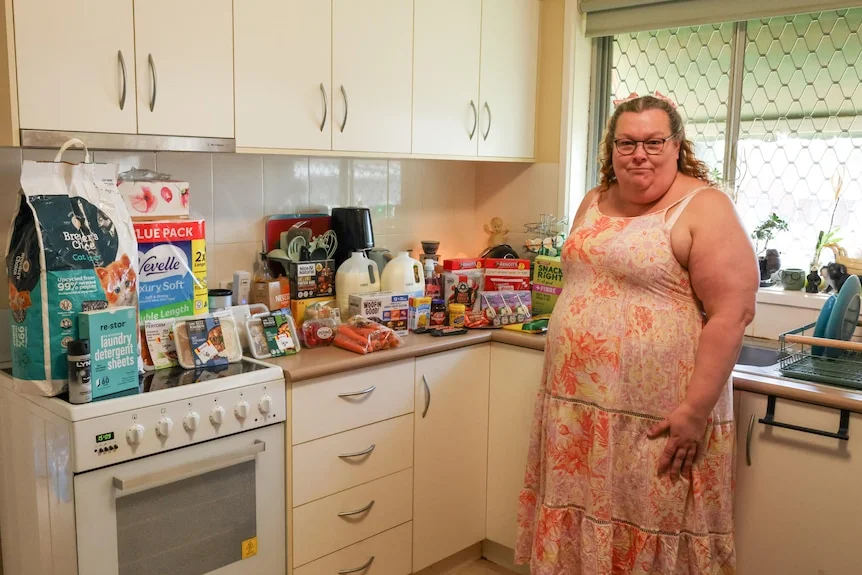 For Kirsty, who lives with her teenage son, groceries take almost a quarter of her disability pension. Her $280.36 shop includes microwave meals and cat litter. She has taken part in a spending and budgeting program run by the Brotherhood of St Laurence and compares prices across three supermarket chains.
“Talking about it out loud is like, wow. And looking at what we’ve bought … it looks like not much.”
There’s a limit to what budgeting can solve when food prices and mortgage costs are both rising. Kirsty has cut back on fresh fruit and vegetables because she can’t risk food going to waste. She’s also stopped buying meat regularly and instead buys ready-made meals when they’re on sale, then freezes them.
For some households, the budget has no easy cuts left
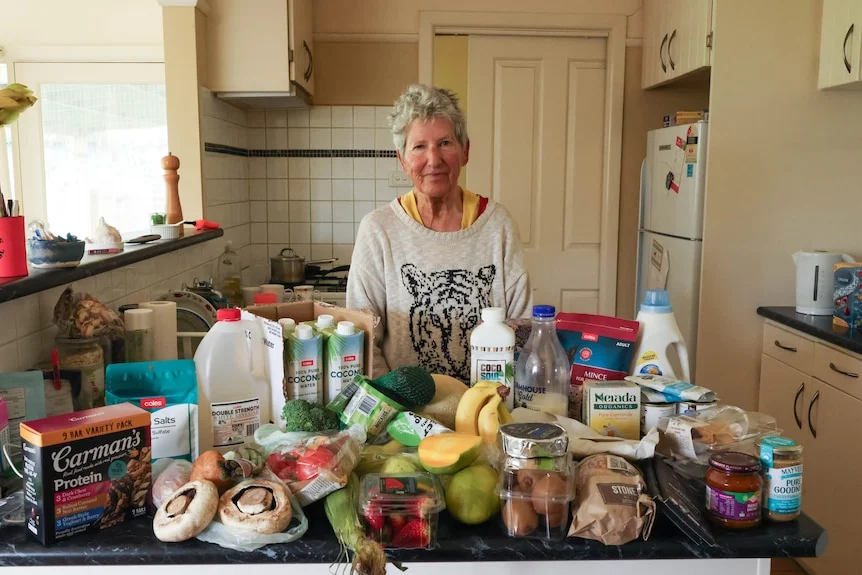
Barb’s grocery bill was $174.35, though she says a typical week costs closer to $200 once pet food and pantry staples are included. A pensioner who has been evicted and is waiting for suitable social housing for herself and her two cats, she has little room to shop around after an injury made getting about harder. She still looks for specials and saves expensive foods such as fish for occasional meals, but fresh food is becoming harder to afford.