Tasmania’s cat debate is no longer just about pets wandering beyond their owners’ yards. Wildlife carers, residents and farmers say the consequences are showing up in native animal populations, overwhelmed shelters and farm losses. The scale of the problem is difficult to pin down, but the accounts from northern Tasmania point to pressure on several fronts.
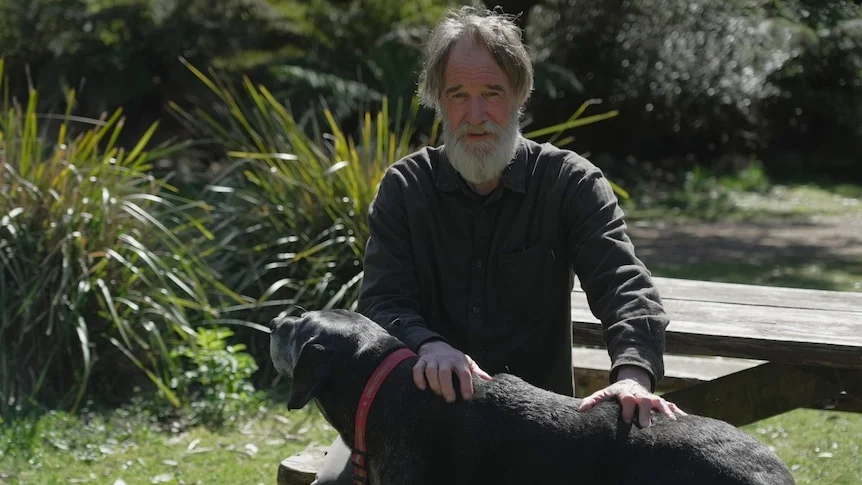
Androo Kelly, who has spent much of his life building a refuge for native wildlife, says the impact at Trowunna Wildlife Sanctuary is “devastating.” The 30-hectare sanctuary near Mole Creek is home to potoroos, bettongs, quolls and bandicoots. Kelly estimates that 35 feral cats have been trapped and humanely euthanised there in the past 20 months. He says the animals he has worked to protect are becoming harder to find, and that eastern quolls have disappeared from the area.
Androo Kelly says more education is needed about the impact of feral and roaming cats. (ABC News: Georgia Hogge)Trowunna welcomes thousands of visitors every year. (ABC News: Hayden Smith)
A local dispute over roaming cats
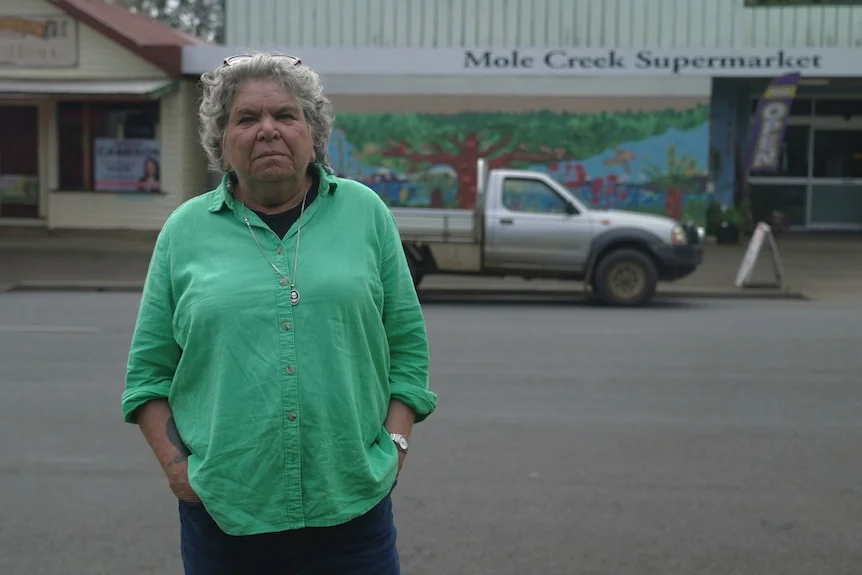
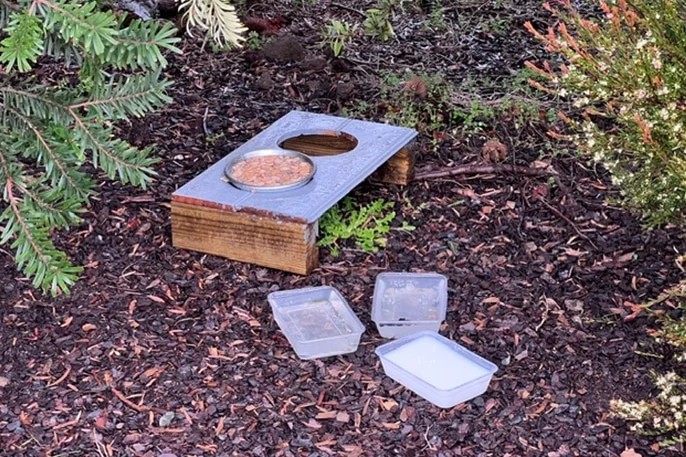
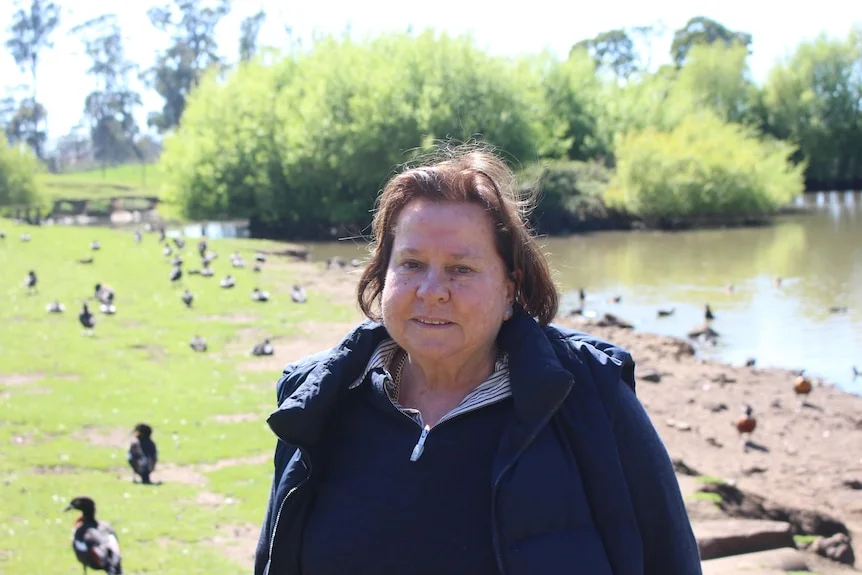
In Mole Creek, resident Darlene Mansell is concerned about wildlife in nearby Mole Creek Karst National Park. Mansell, a director of the Pulawini Aboriginal Corporation, says a cat-feeding station found earlier this year in a native garden opposite the grocery store left her outraged.
The Meander Valley Council disputes that it was slow to respond. It says the delay included an investigation by Biosecurity Tasmania; after the agency confirmed it would not remove the station, the council says it acted promptly. The council also confirmed a report that one resident kept 14 pet cats and said it referred that matter to Biosecurity Tasmania, the lead agency. NRE Tasmania said it investigated the feeding-station report and took “appropriate compliance action.”
Roaming cats are causing a stir in Mole Creek, in northern Tasmania. (ABC News: Georgia Hogge)Darlene Mansell wants the community to work together to protect native species. (ABC News: Georgia Hogge)A cat-feeding station was set up in Mole Creek and later removed by the council. (Supplied)
Mansell sees the dispute as part of a wider divide between cat owners and people focused on protecting wildlife. Her message is blunt: the community needs to understand the damage roaming cats can cause and find a way to act together.
Pressure on shelters and farms
The strain reaches beyond Mole Creek. Just Cats Tasmania director Rachel Beech says the organisation typically cares for 300 to 400 cats and takes animals in every day. Without funding for operating costs, she says, keeping the shelter running is a struggle. The group has also begun removing 90 cats from a property in the state’s north-west.
Veterinarian and landholder Helen Baillie says feral cats are affecting her livestock. (ABC News: Hayden Smith)
For northern Tasmanian veterinarian and farmer Helen Baillie, cats are also a livestock concern. She says toxoplasmosis, a parasitic infection associated with cats, has caused abortions among her ewe lambs. A 2014 CSIRO study found Tasmania had one of the world’s highest recorded rates of cat-carried toxoplasmosis, with about 85 per cent of stray and feral cats carrying the parasite.
Baillie warns that roaming pets can become feral quickly. Cats may be valued companions, she says, but they are hunters by nature. That tension sits at the heart of the containment debate: the same animal can be a household pet and a threat to wildlife or farm businesses once it roams.
A new state plan is in the works
Tasmania is revising its first statewide cat management plan, introduced in 2017. The government is preparing to release the new plan after receiving more than 500 public submissions. What those submissions will mean for cat containment and enforcement remains to be seen.
Containment is popular, but the details will decide it
The case for keeping cats on their owners’ property is straightforward: roaming cats kill wildlife, and curfews leave gaps because cats hunt by day and night. The Australian Land Conservation Alliance said in its submission that roaming cats kill hundreds of native animals each year and that about 78 per cent hunt wildlife. It argues for stronger measures to contain pet cats.
Tasmania’s current laws don’t require owners to contain their cats. They do let councils set local rules, and Kingborough Council already requires cats on Bruny Island to stay on their property at all times.
Cats on Bruny Island must be contained to a property at all times. (ABC News: Hayden Smith)
The next Tasmanian cat management plan, due in the new year, is expected to build on progress made since 2017. The government received more than 500 public submissions, with broad support for responsible ownership. Primary Industries Minister Gavin Pearce said containment had support as a way to protect wildlife, reduce nuisance behaviour and improve cat welfare. But he also said any new rules should be practical and affordable, backed by education and effective enforcement.
That qualification matters. Public support for containment doesn’t settle how a mandate would work, or who might bear its costs. A [New South Wales government report released last year](/news/2025-09-07/nsw-councils-call-for-mandatory-cat-containment/105721582) found insufficient evidence that mandatory containment is effective. The RSPCA has warned that such laws could increase cat abandonment and disproportionately affect renters and people on lower incomes.
Mr Kelly takes a harder line, arguing that many owners don’t understand the environmental harm caused by roaming cats. “Cats should not have the right to roam wherever they like,” he said. The policy challenge is to turn that sentiment into rules that protect wildlife while remaining workable for owners.