Victoria CFA Stations Face More Break-Ins Ahead of Bushfire Season
Six break-ins at Country Fire Authority (CFA) stations in Victoria during October nearly matched the service’s typical total for an entire year. That’s a sharp concentration of incidents at a time when fire authorities are preparing for a difficult bushfire season, when crews may need their stations and equipment ready at short notice. The break-ins have raised concerns about equipment, station readiness and the burden on volunteer crews.
The CFA records an average of six to eight known station break-ins annually, though some incidents may go unreported. October’s cases occurred in Timmering, Chocolyn, Kerang, Winnindoo and Stonehaven, where one station was targeted twice. The figures don’t establish whether the incidents were connected, but they do show how a small number of attacks can quickly approach the service’s usual yearly tally.
Chief Officer Jason Heffernan said station break-ins could affect brigades’ ability to respond to emergencies and add pressure to volunteers. “The CFA is sickened that our fire stations would ever be the target of thieves,” he said. A station’s readiness depends on more than the people who turn out: equipment has to be available, and buildings need to remain usable. If those basics are disrupted, volunteers can face added demands before an emergency response even begins.
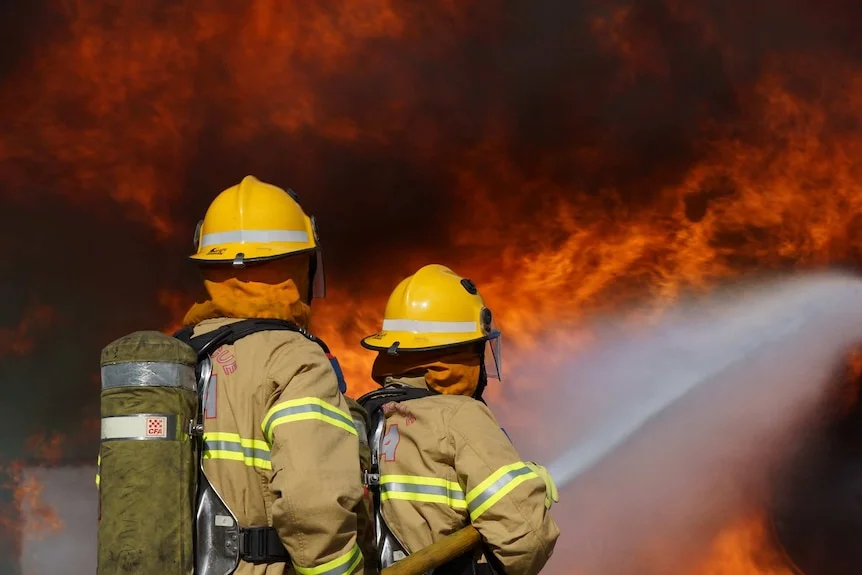
Fire authorities say they are bracing for one of the worst bushfire seasons in decades. (Supplied: CFA)
Equipment losses and service disruption
The consequences vary by station. At Stonehaven, near Geelong, intruders returned twice within days. Nothing was taken, but repairs came at a significant cost. Mark Collins, acting assistant chief fire officer for District Seven, said the incident struck a brigade whose volunteers serve their local community when needed. The damage still matters: even when equipment remains in place, repairs can consume time and resources that a brigade needs for its ordinary work.
Elsewhere, thieves stole radios, chainsaws, firefighting gear and defibrillators. Those items support different parts of a brigade’s work, so losing them can leave practical gaps even if a station itself remains open. A break-in at Chocolyn, near Camperdown in south-west Victoria, left the local brigade unable to deploy, so neighbouring brigades covered emergency responses. That arrangement kept coverage in place, but it shifted work to other crews. A local loss can travel.
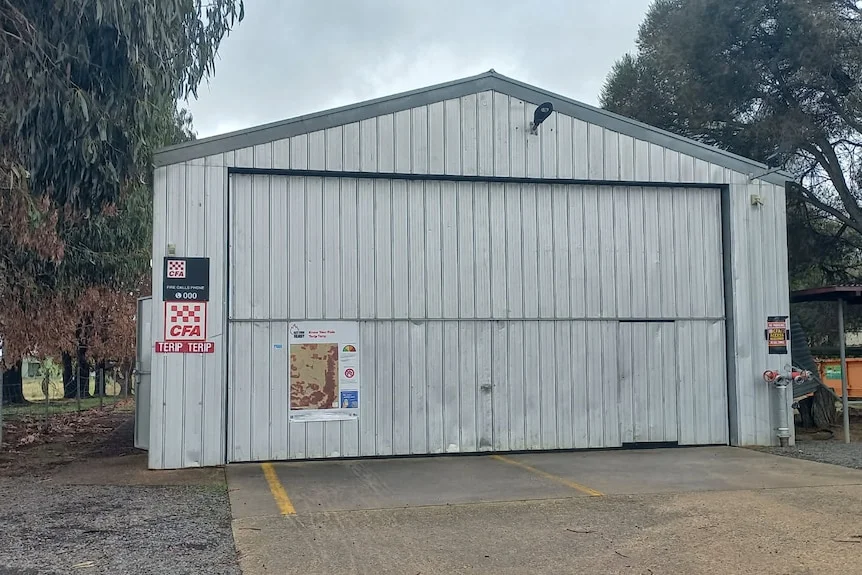
Thousands of dollars in equipment and fuel was stolen from the Terip Terip CFA station in northern Victoria in April. (Supplied: CFA)
Security reviews underway
Chocolyn brigade captain Leigh Harry said the incidents were becoming more brazen and called for a broader CFA response. Security arrangements currently vary by brigade, he said, leaving some stations with resources for protection and others without. That unevenness matters across a network in which individual brigades operate in different local settings but share responsibility for emergency response. Harry has contacted other brigade captains and written to CFA management to request a review.
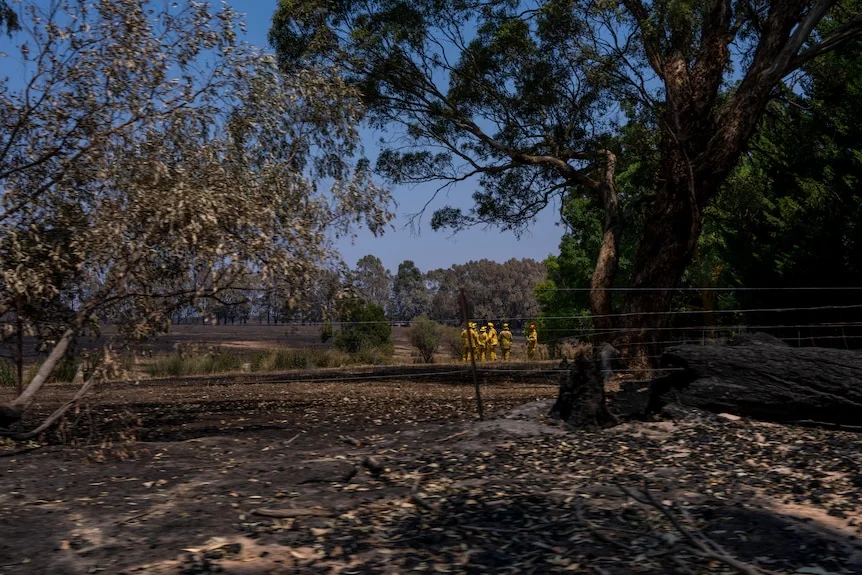
Firefighters are preparing for another damaging summer bushfire season. (ABC News: Danielle Bonica)
CFA General Manager of Infrastructure and Environmental Services Jasper Milligan said the authority was assessing security upgrades, including additional cameras, and reviewing buildings statewide. With 1,200 brigades across Victoria, he said there was no quick fix; some brigades have already tightened security at their stations. A statewide review has to account for the scale of the network and the different conditions at individual stations. Cameras are one option under assessment, but the article doesn’t specify what other upgrades might be considered or when decisions will be made.
The timing sharpens the operational concern. Fire authorities have warned that Victoria faces one of its worst bushfire seasons in decades after a forecast for a warm, dry spring. Elevated risk areas include East Gippsland, the far south-west, the Surf Coast and land west of Geelong extending to the southern Wombat Forest. More than 436,000 hectares burned across the state in bushfires last year, and the Australasian Fire Authorities Council’s seasonal outlook describes heightened fire risk as “the new normal.”
That forecast gives station readiness added weight: equipment stolen or unavailable in one place can mean other brigades are asked to cover responses, as happened at Chocolyn. And yet the break-ins don’t tell us how often stations will be called out or what the season will bring. They do expose a vulnerability in the preparation process. This is more significant than it looks, because a station’s security is part of its ability to support volunteers when conditions turn demanding (and this is the part most people overlook).
Readiness under pressure
For the CFA, the challenge is to turn a statewide review into practical protection across a large network, while keeping essential equipment ready for use. There’s a tension between a common approach and local needs: a measure that suits one station may not address the risks at another. The service has acknowledged that security varies, and its review will have to reckon with that variation if it’s to help brigades consistently.
If you’re working in this space, the key measure isn’t simply whether a building has cameras or stronger locks; it’s whether the brigade can respond when needed and whether neighbouring crews can absorb extra work without losing readiness themselves. The Chocolyn case shows the immediate consequence of losing deployment capacity. The wider question is whether upgrades and review can reduce disruption before the season places greater demands on crews.
As the CFA reviews security across its network, the immediate test will be whether stations can keep essential equipment ready and crews available when the fire season places greater demands on them. The incidents haven’t established a statewide pattern beyond October’s cluster, but they’ve made a familiar operational concern harder to set aside: preparedness depends on the everyday security of the places where volunteers and equipment are based. That’s the practical measure the review will ultimately face.