Townsville Hospital Report Finds High-Risk Cancer Patients Lost to Follow-Up
Missed results and prolonged waits left patients with serious urological cancers without timely follow-up at Townsville Hospital and Health Service (THHS). A Queensland Health investigation describes failures in patient tracking, staffing and administration, including one death it links to delayed care.
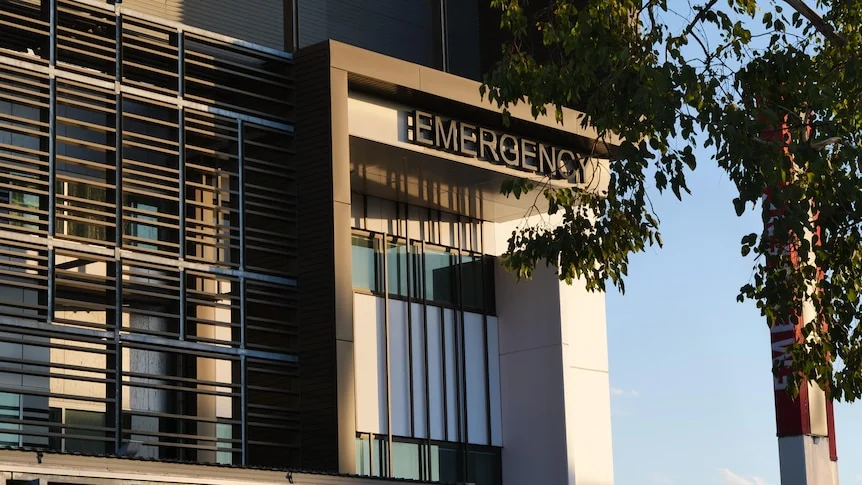
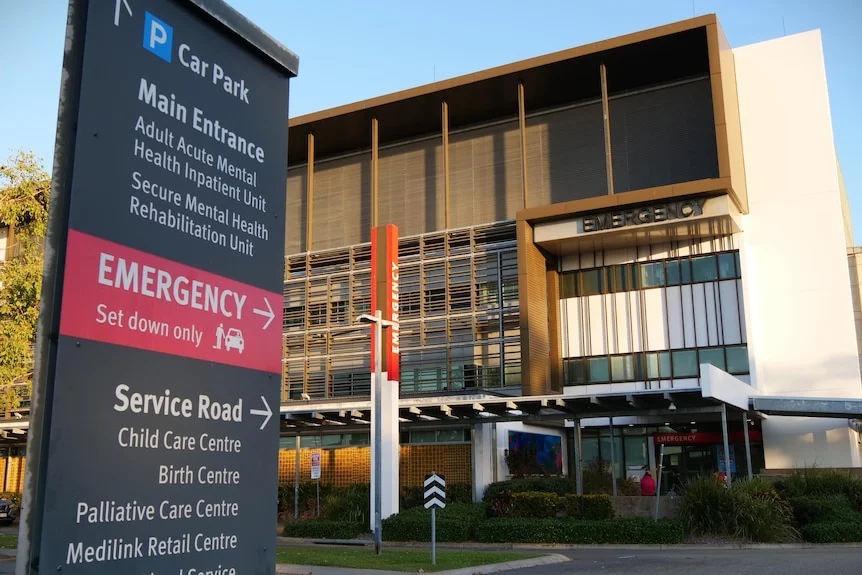
Investigators detailed four serious cases in a report of more than 200 pages released this week. The service became aware of some gaps after GPs sent patients back to the hospital to chase biopsy results that had not been communicated.
Diagnoses and appointments went untracked
The cases included a patient whose planned review was never booked. After returning through a GP referral, he was found to have high-grade prostate cancer. Another patient’s MRI-guided biopsy showed prostate cancer with a moderate likelihood of spreading, but neither the patient nor GP received the result until a new referral prompted follow-up.
A third patient with a history of one of the fastest-growing, highest-risk cancers had an appointment cancelled and was left waiting without a replacement booking. A fourth was lost to follow-up after a biopsy confirmed high-grade prostate cancer.
One death linked to delayed referral
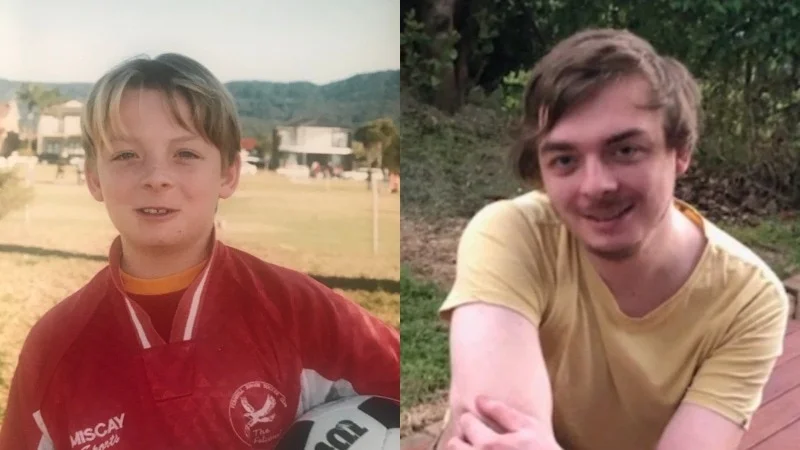
Investigators concluded that a patient diagnosed with bladder cancer in 2023 died before receiving reasonable treatment because of failings in the health service. The patient needed urgent oncology care but was not referred in time. The report said the delay contributed to the patient’s deterioration and death.
Another patient, now receiving palliative care, was referred in 2022 with urinary symptoms and assigned category 2 priority, which called for an appointment within 60 days. The patient waited 549 days for a first specialist appointment and 782 days for a biopsy. The eventual diagnosis was high-grade cancer with metastases.
The report also recorded a second death in 2025 after gaps in care, but did not directly connect that death to hospital delays. Investigators cited workforce shortages, human error, paper-based administration, poorly formed policies and failures to follow policy as factors behind the service’s shortcomings.
Capacity concerns predated the investigation
Michael Clements, a Townsville GP and rural chair of the Royal Australian College of General Practitioners, said GPs had already noticed unusually long waits and feared patients were falling through the cracks. His practice spent time pursuing results, he said, while patients were not receiving the expected care.
Clements had hoped the investigation would make the case for more hospital funding. He said waiting lists were growing across departments and the system was not meeting all community needs.
The report said THHS needed two additional full-time-equivalent urologists to serve a region covering more than 148,000 square kilometres. Nick Yim, president of the Australian Medical Association Queensland, also called for two more urologists in Townsville and pointed to a wider regional staffing shortage. He said the AMA had spent the past year calling for a workforce plan, while the Queensland government had said the state would be short 6,000 doctors by 2032.
Queensland Health Minister Tim Nicholls, who visited Townsville this week, said the failures should not have occurred. He pointed to a change in THHS executive leadership. Queensland Health accepted all 27 recommendations from the investigation.
The recommendations now set a clear task for the health service: close the follow-up gaps and build enough specialist capacity to manage a vast regional catchment. Whether those changes prevent another missed diagnosis will depend on how reliably results, referrals and appointments are tracked in practice.