Labor pledges $420 million for 550 more weekly V/Line services in Victoria
The promise and the politics behind it
Labor’s $420 million regional rail pledge would add 550 V/Line services each week, with the largest changes aimed at busy outer-suburban routes and faster trips from regional centres. The announcement also brings transport promises into a broader election fight over how the state budget can be repaired.
Transport announcements in campaigns are rarely just about trains. They're a way for a government to show voters in contested seats that something visible is coming, and the timing matters. When the same campaign is also arguing about the books, a rail promise becomes a test of whether the numbers behind it hold up. That's the lens I'd use for the rest of this.
Premier Ben Carroll says the plan would expand the regional network by 24 per cent if Labor wins re-election. The commitment targets regional and outer-fringe seats where Labor faces pressure from the Coalition and One Nation.
A 24 per cent expansion sounds large, and on a network this size it is. The more useful question is where those services land. Regional and outer-fringe seats are where Labor says it's under pressure, so the geography of the plan tells you as much about the politics as the timetable does.
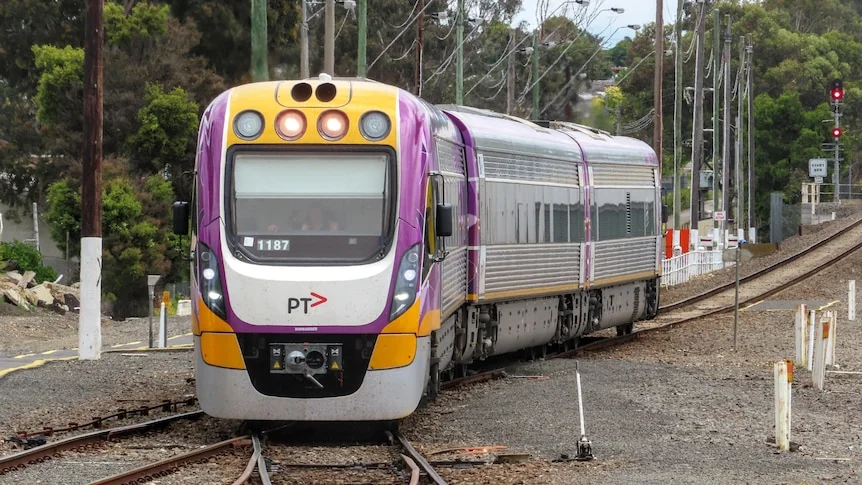
More capacity for Melton and Wyndham Vale
The plan addresses pressure on the outer west and south-west, where Melton and Wyndham Vale still depend on V/Line despite an earlier promise by former premier Daniel Andrews to electrify the tracks. That promise is the context that makes this announcement hard to read on its own. When an upgrade doesn't arrive, the interim service has to carry the load, and that's where the strain shows up first.
From 2027, Melton would receive 162 additional weekly services, bringing trains to every 20 minutes. That's a substantial jump, and the every-20-minutes frequency is the detail worth watching. For commuters, frequency often matters more than headline service counts, because a train every 20 minutes changes whether people plan around the timetable or simply turn up and wait. Nine-car trains, announced previously, are also due to start running next year, and they shouldn't be counted as new in this package.
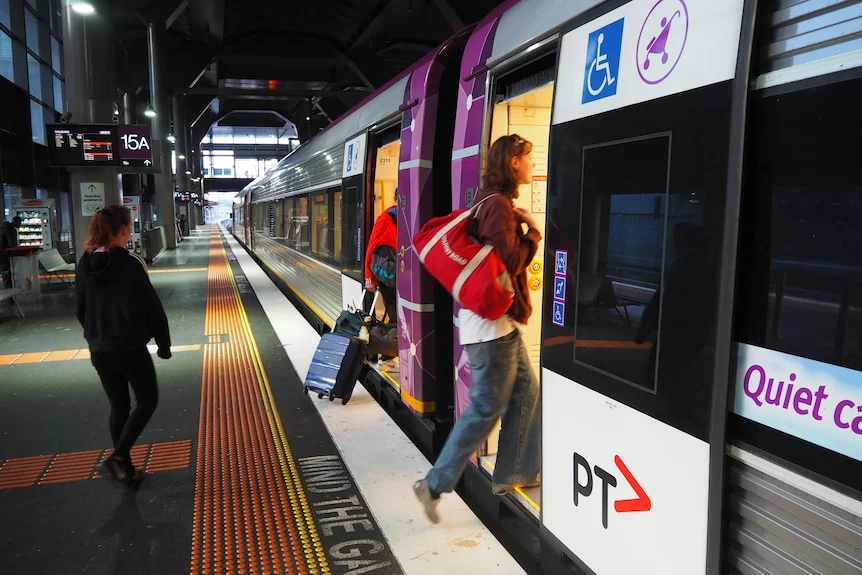
Wyndham Vale would gain a dedicated service with 249 extra trips each week, intended to ease crowding. A dedicated service generally means a timetable built around one community rather than squeezed in among others, which is what crowding relief usually requires. Geelong would get twice as many services overall, including more express trains that could cut 10 minutes from the journey. Two Sunday services would also be added to Geelong and Waurn Ponds.
Service increases across regional lines
The Seymour line, serving Wallan and Donnybrook in Melbourne’s outer north, would get 29 more weekly services from 2028. On the Bendigo line, 101 additional services are planned from the same year: 21 to Bendigo and 80 to Kyneton. Labor says the change would allow most off-peak trains from Bendigo to run express. Express running helps journey times, but it can leave intermediate stations with thinner service, and the announcement doesn't address that trade-off.
From next year, the Warrnambool line would receive eight extra weekend services. The Traralgon line would get one additional Sunday service from 2028. Most weekday off-peak trains from Ballarat would run express to Melbourne from next year, saving up to 10 minutes, according to Labor. The Ballarat change has the clearest time saving attached, but that figure is Labor's own estimate, and nothing in the material here independently verifies it.
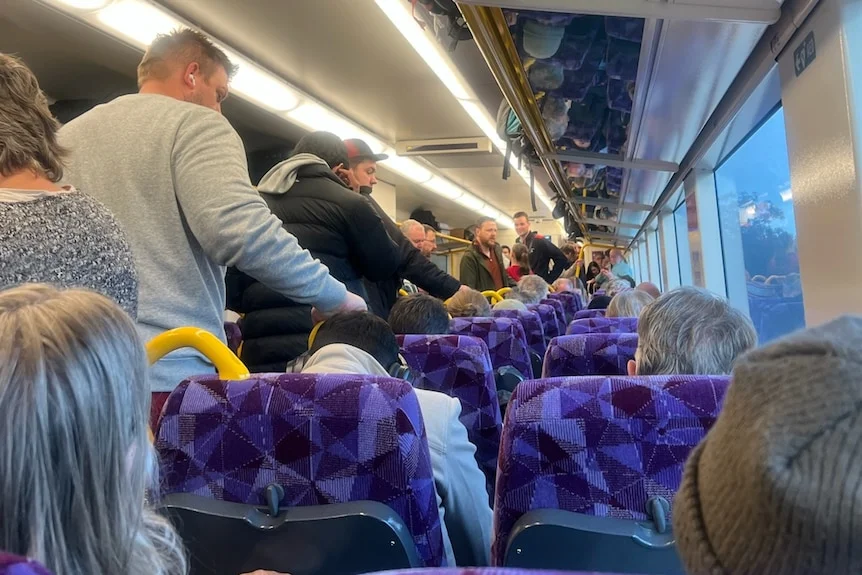
The Coalition has separately promised $1.7 billion for hybrid trains to Melton and Wyndham Vale, so there's a rival rail pitch to read alongside Labor's. The two approaches aren't really comparing like with like. One is framed around new trains for specific corridors, the other around frequency across the network. The government disputes that the proposal would work with the wider network. It says the new Sunshine station hub must be built first to separate V/Line and Metro tracks, following delays to electrification. The Sunshine hub is the sequencing point (and this is the part most people overlook), because the government's argument is that the frequency gains depend on it.
Budget surplus claim under scrutiny
Labor is also challenging Liberal leader Jess Wilson’s pledge to deliver a cash surplus by 2032. Wilson has said reducing the Victorian Public Service through attrition would save $22 billion over a decade. Attrition, meaning positions aren't refilled when people leave, is a blunt tool, and the material here doesn't say how it would be applied across services. The $22 billion is a decade-long claim, while the surplus target is 2032, and that mismatch in horizons is part of why the arithmetic is contested.
A Parliamentary Budget Office analysis requested by Labor estimates the policy would save $8.5 billion by 2032, with most savings arriving later. The PBO is the independent costing body, so its figures carry more weight than a party's own estimate, though the question a government asks the PBO can shape the answer it gets. Treasurer Colin Brooks argued that the shortfall would leave Wilson needing to cut essential services, particularly health, to meet her target.
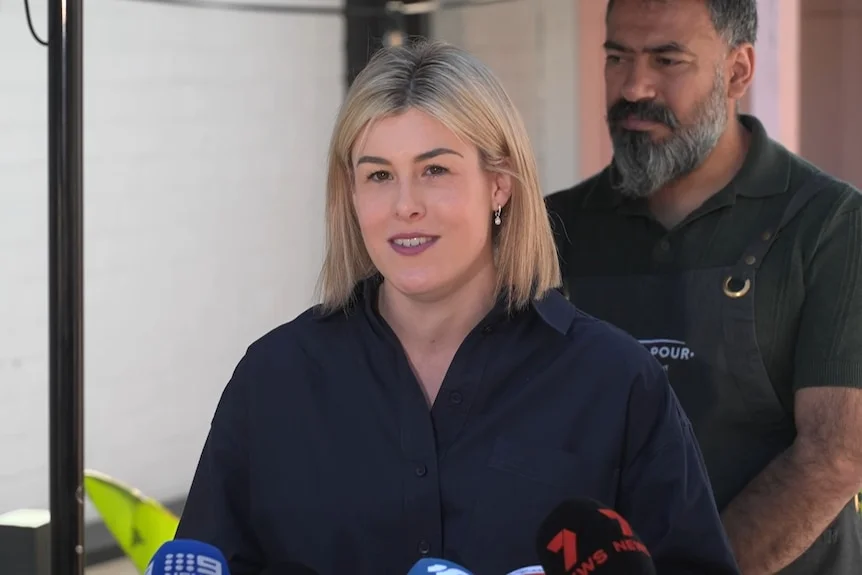
Wilson's response is pointed but light on detail. She rejected Labor's criticism and said her Liberal and Nationals team had “a costed and credible plan to repair the budget,” backed by more than $26 billion in savings. That's a bigger figure than the $22 billion she cited earlier, and the difference isn't explained here. She has not released the full version of her own PBO analysis, which leaves the public comparing a released estimate against a claim it can't inspect.
Her plan has also drawn questions about how the Coalition would combine tax cuts and new spending commitments with lower debt, which is projected to approach $200 billion by 2029–30. Debt near $200 billion is the kind of number that dominates a budget argument, because it's easy to grasp and hard to dismiss. Here's the thing: tax cuts, new spending and debt reduction pull against each other, and any plan promising all three has to show where the money balances. PBO estimates can differ depending on the assumptions used. The campaign debate now turns on whether each party can show how its headline promises fit the budget arithmetic.
What this means for voters and the campaign
If you're following this campaign, the useful habit is to ask what each promise needs to be true. A service increase depends on infrastructure timing, and a surplus depends on savings assumptions and how those savings are phased in. Neither side has fully opened its working, which is why the PBO comparisons matter more than either party's summary.
Big numbers, shifting timelines.
This is more significant than it looks. Transport promises tend to get read as local sweeteners, but here they sit inside the same argument about the budget, so a voter can't judge one without the other. If you're a commuter on the Melton or Wyndham Vale corridors, the question is whether the frequency gains arrive on schedule. If you're watching the budget, the question is whether the savings figures survive scrutiny once they're tested against the same assumptions.