Australia’s Q fever vaccine supply expected to run out as manufacturing delays persist
Australia’s Q fever vaccine shortage is expected to leave some workers and rural businesses without reliable access through the end of the year. The next batches are due in late December, but supply has been strained by production problems that have already delayed several batches. For employers whose staff work around livestock, the gap isn’t an abstract supply issue: it complicates decisions about who can be vaccinated and when.
Q fever is a bacterial infection associated with sheep, cattle and other animals. It can cause severe flu-like illness, become chronic and, in some cases, lead to serious cardiovascular complications. Australia recorded 991 cases last year, its highest annual count since national monitoring began in 1991. That figure gives the shortage a sharper edge: demand for protection sits alongside a production process that takes months, leaving little room to make up lost supply quickly.
Delayed batches leave farms exposed
Rawsonville dairy owner Erika Chesworth says she hasn’t been able to vaccinate staff since March. Her local clinic has told her it can’t source the vaccine, and she says the lack of clear information has left the business struggling to plan. That uncertainty matters to a farm managing day-to-day work around animals: an employer can’t simply schedule vaccinations when neither the clinic nor the business knows when doses will be available.
“It's just been dead ends everywhere; there's been no communication from anyone in any capacity,” Chesworth said. Her complaint points to a problem beyond the number of doses on hand. When supply information is unclear, businesses have less ability to make practical decisions about staffing and exposure while they wait.
She says the gap puts workers at risk from an infection that animals cannot be vaccinated against. Two staff members contracted Q fever two summers ago and became seriously ill, she said. Her seven-year-old grandson also caught the disease, though vaccination is unavailable to children under 15. The family’s experience makes the limits of prevention especially visible: even where a vaccine is part of the response, it doesn’t cover everyone who may be exposed.
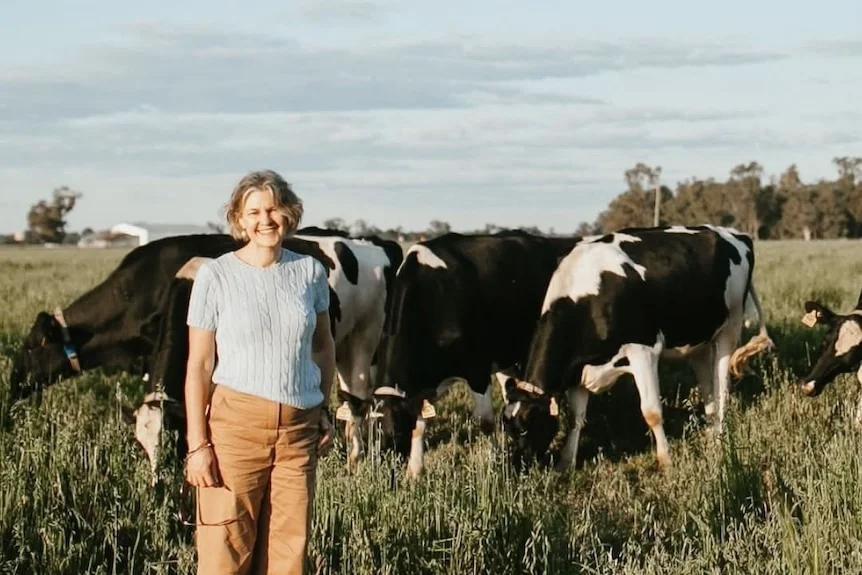
Erika Chesworth from Little Big Dairy. (Supplied)
The strain extends beyond dairy farms. Nurse and shearer Carol Mudford said she waited five years after starting work in shearing sheds in 2020 to get vaccinated. Her account shows how access can depend on a worker’s job and location, as well as on whether a clinic can obtain doses. She described Q fever as a wider rural health concern, saying the bacteria can travel in dust and may be carried home on clothing or spread from livestock trucks.
“People want it and need it and it will save lives,” Mudford said. She argues that awareness remains low despite the risk to people across rural Australia. For people entering this work, the shortage also raises a basic practical question: how are they meant to assess exposure when access to vaccination is delayed and information is limited?
Manufacturing delays drive the shortage
CSL Seqirus, which supplies the vaccine under contract with Australia’s Department of Health, says the product takes nine months to make. The process uses an inactivated form of the bacteria, and the company has faced raw-material supply problems alongside equipment and electronic system issues on its filling lines. That combination illustrates why restoring supply isn’t simply a matter of running production faster: each stage depends on materials, functioning equipment and systems that support filling and release.
Senior vice-president of operations Chris Larkins said three or four batches couldn’t be released during the production cycle. The company expects a temporary stockout to run from now until the end of the year, with two expedited batches anticipated in late December. Those deliveries could ease pressure, but the timing leaves little certainty for clinics and employers trying to plan vaccinations before then.
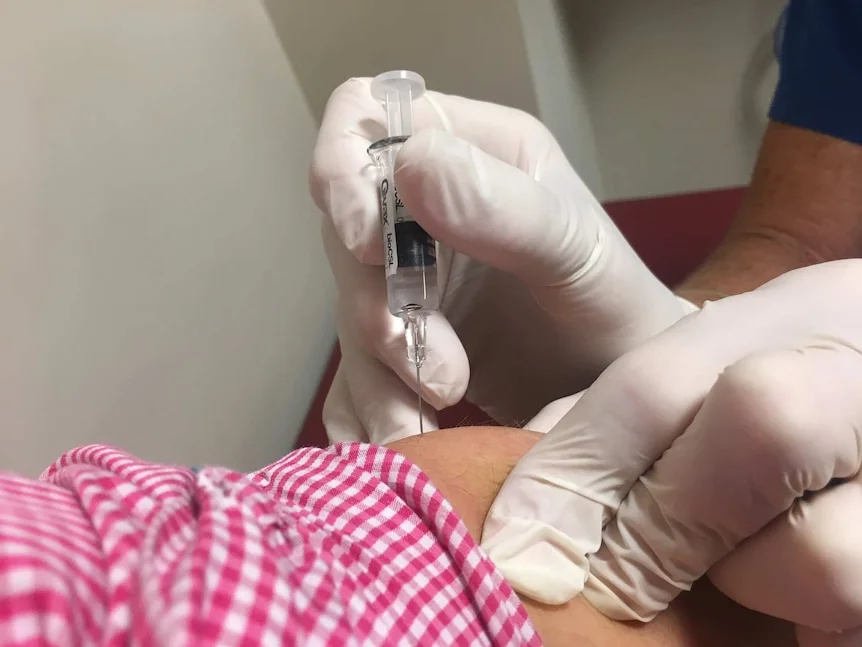
A Q-fever vaccination is already mandatory for those working in meat processors across Australia. (ABC Rural: Tom Major)
Larkins said the company expects constrained supply to ease from later this year or early next year, as operations move to two new sites in Melbourne. He apologised for the shortage and said restoring supply is the company’s top priority, given the public health impact and pressure on agricultural businesses. The move may help address production capacity, but the source offers no timetable for when the sites will be fully operating or how quickly supply will return to normal.
The Department of Health said CSL Seqirus manages Q-VAX manufacturing, commercial supply, distribution and allocation. It said the 10-year arrangement, valued at $1 billion, supports domestic manufacturing capability. That arrangement makes the current interruption a test of how reliably the supply system can deliver a specialised vaccine when production is disrupted.
What the shortage means for rural workers
This is more significant than it looks. A vaccine shortage can affect more than the immediate queue at a clinic: it can leave employers uncertain about prevention, workers unsure when they can access protection, and rural communities with fewer clear answers about exposure. The source doesn’t establish how many people are waiting, so the scale of unmet demand remains unclear.
For rural employers, the near-term question is whether late-December deliveries will reach clinics quickly enough to restart vaccinations. Even if they arrive on schedule, distribution and allocation will shape how soon workers can receive them (and this is the part most people overlook). A delivery date alone won’t tell a business when appointments will be available.
And yet, the longer-term test is whether the manufacturing changes can prevent another prolonged interruption. If you're working in this space, the practical measure will be whether access becomes predictable enough for clinics and employers to plan. The production changes may ease the current constraint; sustained reliability is what workers will judge. For now, the answer is uncertain.