Perth Teen’s Manslaughter Trial Hears Witness Accounts of Fatal E-Bike Collision
Witness accounts of near misses and a fatal impact have put the teenager’s handling of an electric motorbike at the centre of a judge-alone manslaughter trial in Perth. The 17-year-old, who cannot be named, is accused of killing nurse Shelley Spinks, 59, at Picnic Cove Park in Edgewater in July last year. The case turns on more than the final collision: the court is hearing evidence about the ride before it, including the pursuit, the teenager’s speed and the risks witnesses say they encountered along the way.
Prosecutor James Nicholls told Perth Children’s Court the teenager was riding from police through Perth’s northern suburbs, had ignored directions to stop and was travelling at times above 100 kilometres per hour. Witnesses described him sounding his horn and shouting for people to move, with one account of the bike nearly hitting two pedestrians. Those details give the court a picture of a ride that moved through public roads and a park, where pedestrians had little time to react. The prosecution’s account places the collision within that wider sequence; the defence disputes how the final moments should be understood.
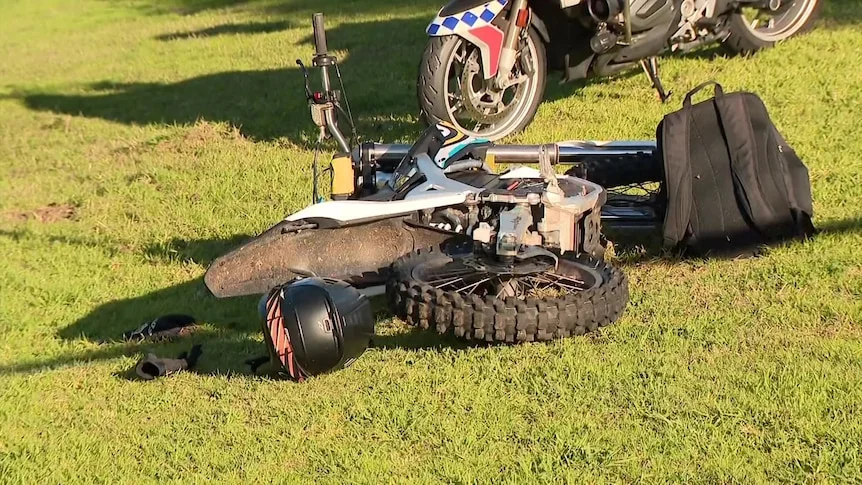
The incident happened in an Edgewater park. (ABC News)
Witnesses describe the collision and earlier near misses
Avis Smyth, who was at the park with her husband, said she saw the motorbike hit Spinks. “I saw the lady kind of flying in the air,” she told the court. Her account describes the force of the impact from the perspective of someone nearby, rather than offering a technical explanation of how the collision occurred. Debra Waldock, who was there with her grandchildren, recalled seeing a bike pass quickly, then hearing a horn and a noise before finding a woman on the ground.
The accounts differ in what each witness saw and when: one describes the moment of impact, while the other recalls the sequence of passing bike, sound and discovery. That distinction matters in a trial where the judge must assess the evidence as a whole. A witness’s recollection can help establish what happened around the collision, but it doesn’t by itself resolve questions about the rider’s control or intent.
The teenager intends to plead guilty to dangerous driving causing death. (ABC News )
Earlier that day, in nearby Woodvale, Agnieszka Ayres was walking with her two daughters when she saw a motorbike zigzagging along the road. Under cross-examination, she said it later swerved close beside them. Her evidence extends the court’s view of the ride beyond the park, bringing in an encounter involving pedestrians before the fatal collision. It also shows how the prosecution is using accounts from different locations to describe the route and the behaviour attributed to the rider.

The boy appeared in the Perth Children's Court on Wednesday. (ABC News: Keane Bourke)
Prosecution and defence offer different readings of the ride
Police aircraft footage shown to the court appears to show the teenager riding on the wrong side of the road during the pursuit. Nicholls said that after the collision, the teenager asked officers: “Why did she jump in front of me?” The footage may give the judge a visual record against which to consider witness testimony, though the account still depends on what the images show and how they’re interpreted. The reported question, meanwhile, is part of the prosecution’s evidence about the immediate aftermath.
The prosecution also told the court that blood samples contained THC, a cannabis ingredient. Defence lawyer Simon Watters said the teenager had been prescribed cannabis. The presence of THC and the reported prescription are both in evidence, but the article provides no further detail about dosage, timing or any claimed effect on the ride. Those limits matter: the court has heard the competing statements, while the significance of the evidence remains for the trial to determine.
Watters argued the footage showed his client remained in control of the bike and was trying to avoid Spinks at the moment of impact. “It was not the case that he had simply careered through a group of people,” he said. That is a narrower claim than disputing every account of dangerous riding: the defence is emphasizing the final manoeuvre and the possibility of an attempt to avoid the collision. The prosecution’s case, as presented, asks the judge to consider that moment alongside the pursuit and the earlier reported near misses. This is more significant than it looks: control in the seconds before impact and dangerous conduct over the full ride are related questions, but they aren’t identical ones.
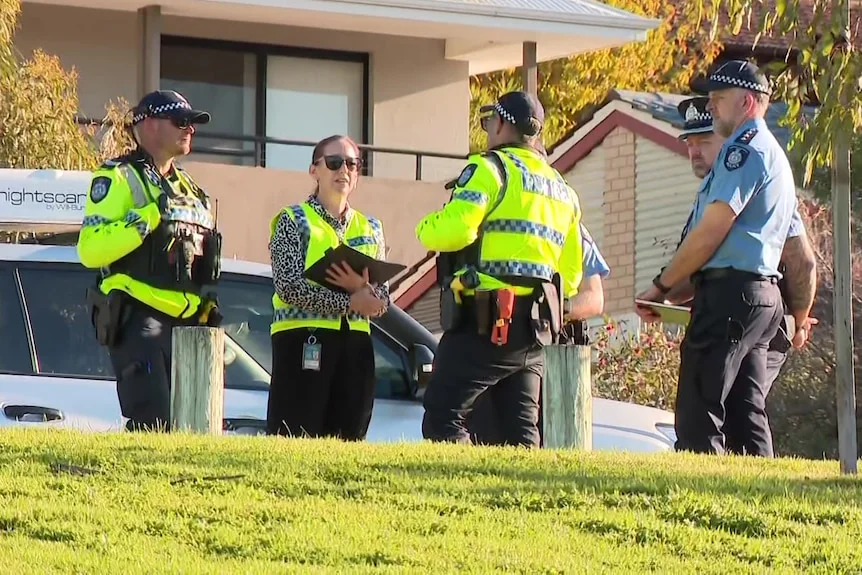
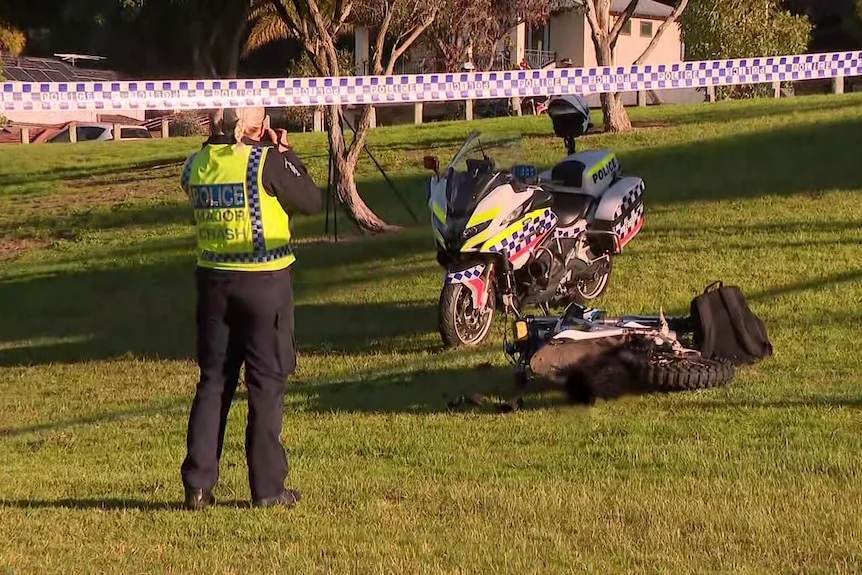
Police at Picnic Cove Park investigating the women's death. (ABC News)
What the trial’s competing claims leave to resolve
The teenager intends to plead guilty to dangerous driving causing death, according to evidence presented in court. The judge-alone trial is a manslaughter case, and the intended plea to a separate offence doesn’t itself explain how the judge will assess the charge before the court. The supplied account doesn’t set out the legal arguments behind that distinction, so the central question here is how the evidence supports each side’s account of the ride and its outcome.
The trial is scheduled to continue until the end of the week, with witness accounts and the pursuit footage central to the competing descriptions of what happened. If you’re following the case, the key point is the gap between the broad chronology and the disputed details: the court has heard descriptions of a pursuit, dangerous speeds and close calls, while the defence points to the teenager’s actions at the instant of impact. The evidence must be weighed together. And yet, the accounts reported so far don’t settle the judge’s findings.