Nora Creina Golf Resort Faces Aboriginal Heritage Concerns
The central question facing the proposed Nora Creina golf resort is how its developers can assess and protect Aboriginal heritage when, according to traditional owners, the full extent of that heritage on the site remains unknown. The issue goes beyond whether already recorded sites can be avoided: it concerns whether the information gathered so far is enough to guide decisions about excavation across a large project area. That uncertainty sits alongside the proposal’s promised tourism and employment benefits.
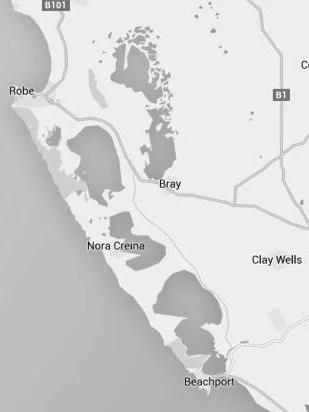
The 425-hectare development, planned about 15 kilometres south of Robe on South Australia’s Limestone Coast, would include two 18-hole links courses, accommodation and tourism facilities. Traditional owners say construction could significantly damage or disturb heritage connected to the Meintangk and Boandik peoples. Golf courses and associated buildings can require work across broad areas, from shaping fairways to installing services, so the scale of the proposal makes the quality and reach of heritage assessment consequential.
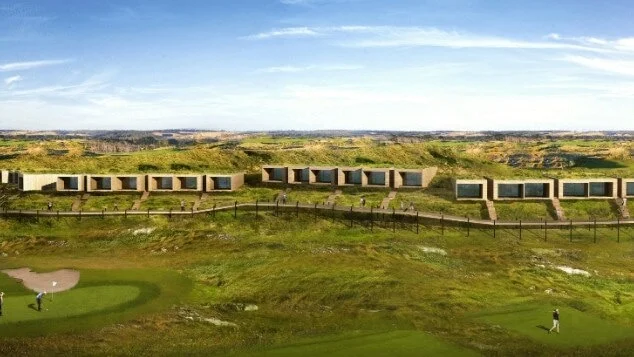
Known sites and unanswered questions
Traditional owner and elder Irene Watson, who belongs to the Tanganekald, Meintangk, Potarawutj and Bunganditj (Boandik) First Nations peoples of the Coorong and south-east, says the proposal carries “known negative impacts for First Nations people connected to the site”. Her concern is not limited to individual locations: it also reflects the relationship between those places, the people connected to them and the wider area being considered for development.
In a submission to the minister for Aboriginal affairs, Watson identified 17 Aboriginal heritage sites associated with Meintangk and Boandik people within the project area. Eight are likely to be directly affected, she said. A previous cultural heritage survey found Aboriginal midden sites, but Watson described that survey as incomplete. The figures describe what has been identified to date; they do not establish that the remaining ground has been fully assessed.

“The material before the minister demonstrates not only known impacts to Aboriginal heritage, but also uncertainty regarding the full extent of heritage likely to be affected,” Watson said. She argued that seeking permission to interfere with heritage while acknowledging gaps in what has been recorded leaves a significant question unresolved. A process can list known places and still leave decision-makers with an incomplete picture of what construction might encounter.
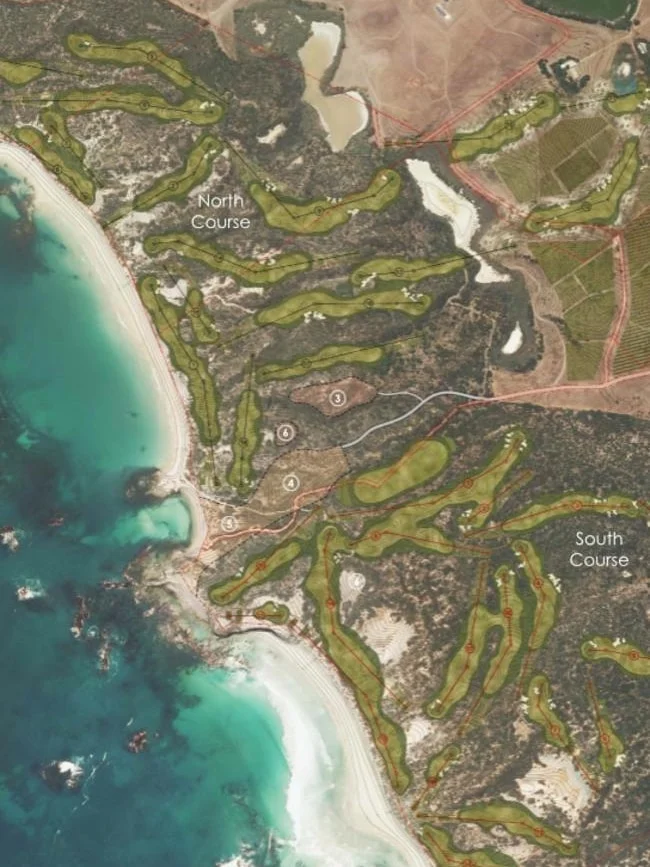
Developer says heritage protocols are part of the process
Project proponent and landowner Damian Scanlon says he intends to work with the state government and First Nations stakeholders as the proposal advances. He said the team wanted to limit excavation and would use a cultural heritage management plan to set out procedures where excavation could not be avoided. Such a plan can establish how work is handled when heritage is encountered, but its practical value depends on the assessment and agreed procedures that inform it.
Scanlon said the development was on private land, outside a sacred site and not under native title. He also pointed to the possibility of artefacts being found during construction, comparing it with road excavation elsewhere in the country. Those points describe the project’s land status and the proponent’s approach; they do not answer Watson’s separate concern that the known survey may not capture the full extent of heritage on the site.
The proposal was first put forward in 2014, when the state government gave it major project status. The current plan is estimated to cost about $30 million and includes a clubhouse, viticulture, accommodation and a wellness centre. Earlier plans featured an Aboriginal heritage education centre; it does not appear in the current proposal under consultation. That change matters to the project’s public framing: the current documents, rather than an earlier version, are what communities and decision-makers are being asked to consider.
Consultation ahead of February decision
Public consultation is open through the YourSay website. An Aboriginal community consultation is scheduled at Hotel Panorama in Adelaide, roughly a four-hour drive north of the site. Submissions close on December 8, and a ministerial decision is expected in February 2027. The distance between the meeting venue and the proposed development is part of the practical context for participation, though the available information does not say what other consultation options are offered.
The project is forecast to create about 25 full-time jobs during construction and, Scanlon said, as many as 200 once complete. Those projections give the proposal an economic case, but they do not settle how heritage concerns should be weighed or whether the existing survey is sufficient. This is more significant than it looks: a decision made with unresolved gaps can leave the central question of potential impacts unanswered even after the formal consultation period ends.
What the heritage question means for the proposal
The next test is whether consultation and further heritage work can address concerns about both documented sites and places that may not yet have been identified. That means the discussion turns on more than a list of recorded locations: it also depends on what evidence is gathered, how it informs plans for excavation and how First Nations stakeholders are involved as the project advances (and this is the part most people overlook). If you're working in this space, the distinction between a protocol for discoveries during construction and an assessment before construction is a practical one.
Here's the thing: a cultural heritage management plan may set out what happens when work encounters heritage, while the unresolved dispute concerns whether enough is known before that work begins. The consultation period gives the minister and the parties a chance to consider that gap alongside the proposal’s economic claims. Whether those steps provide a basis for a decision will shape how the development’s stated benefits are weighed against the risks identified by traditional owners.
Still unresolved.